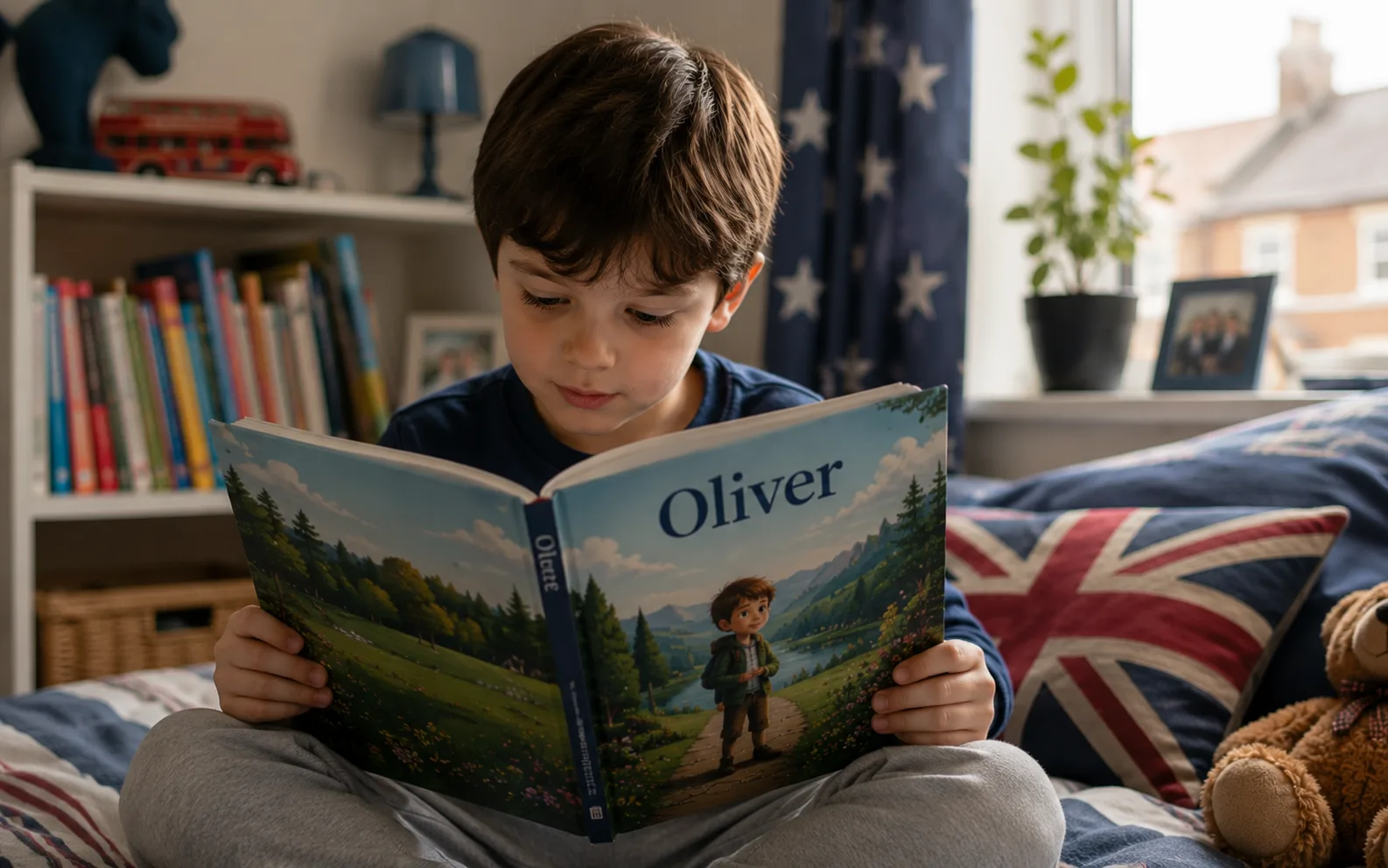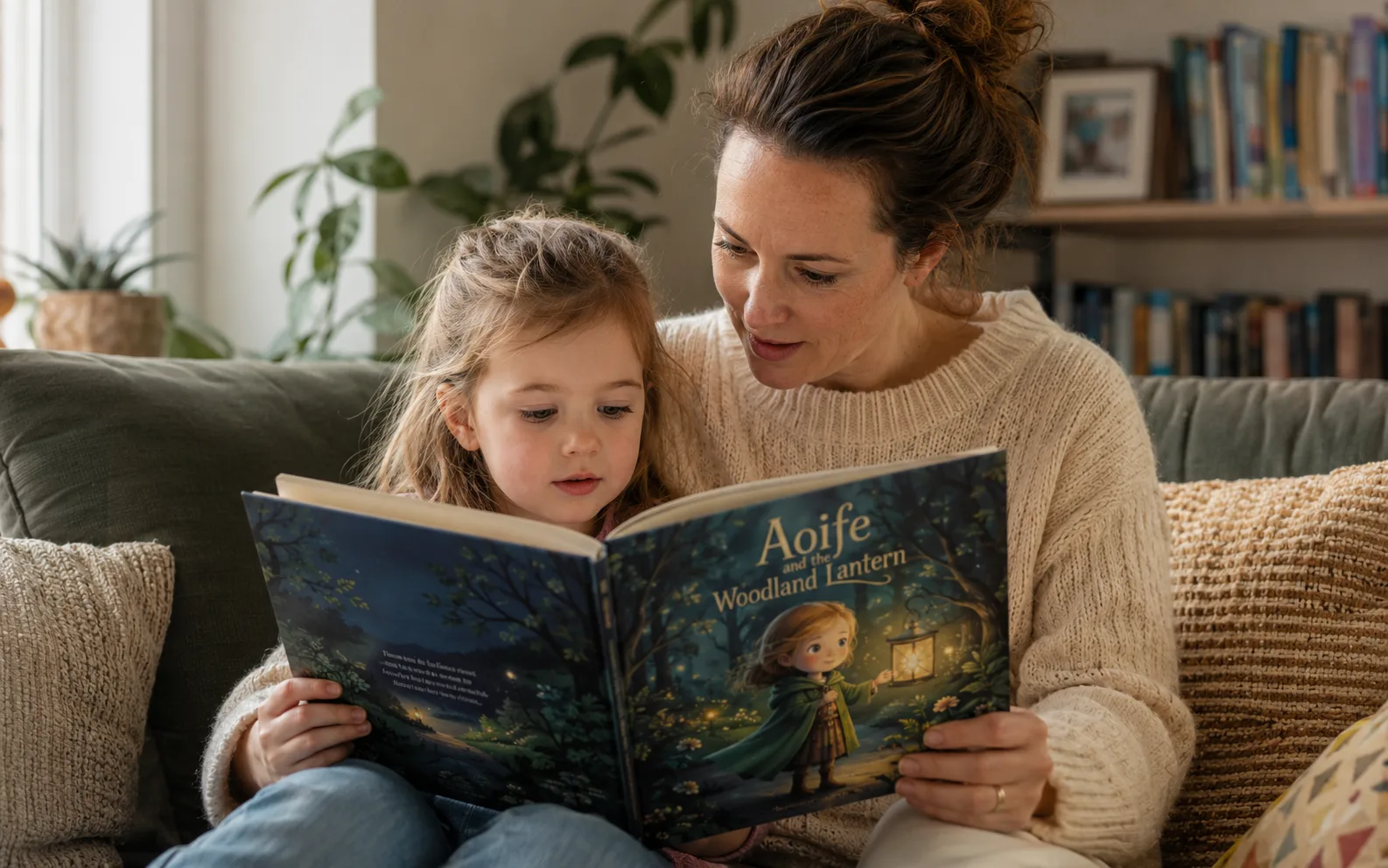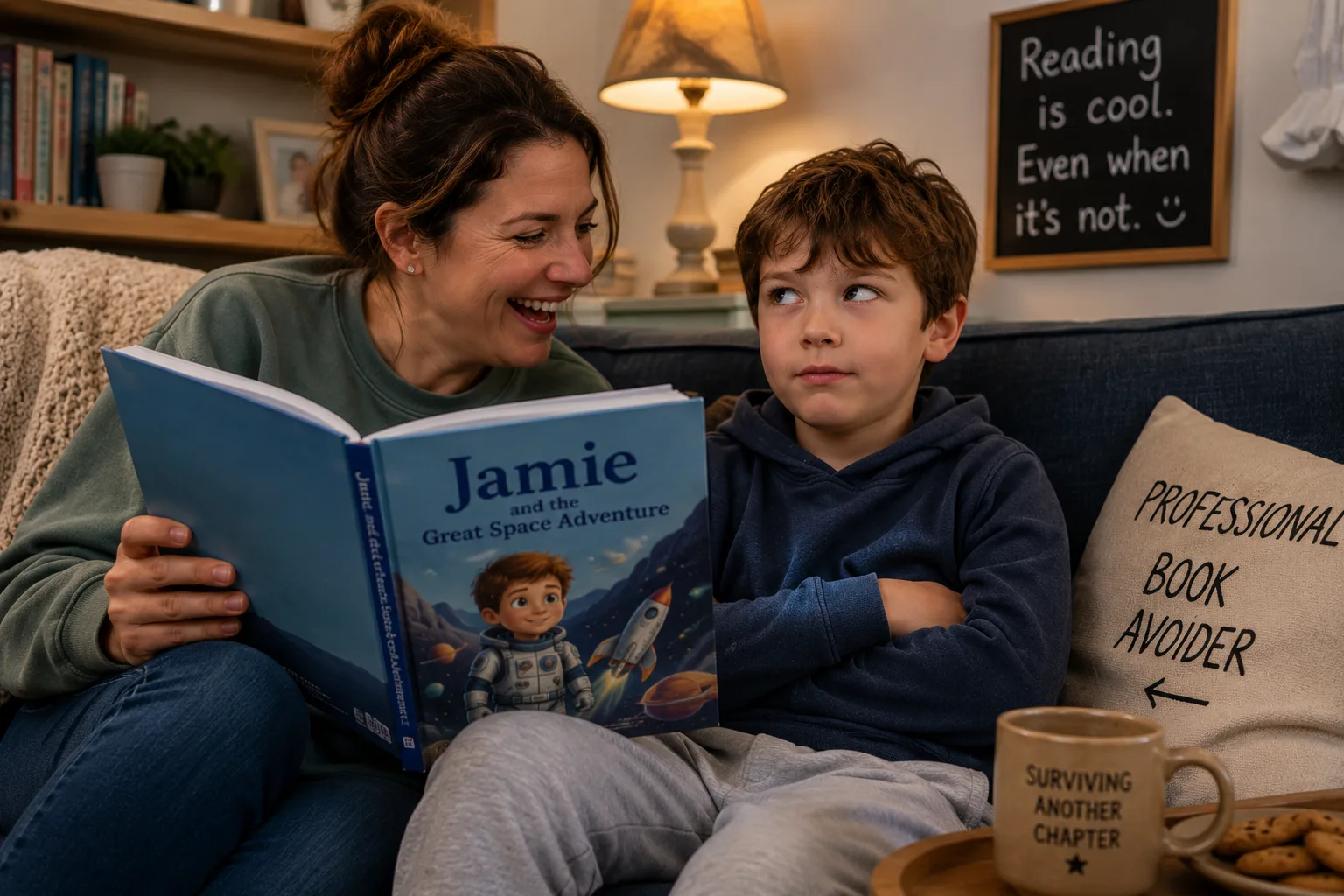

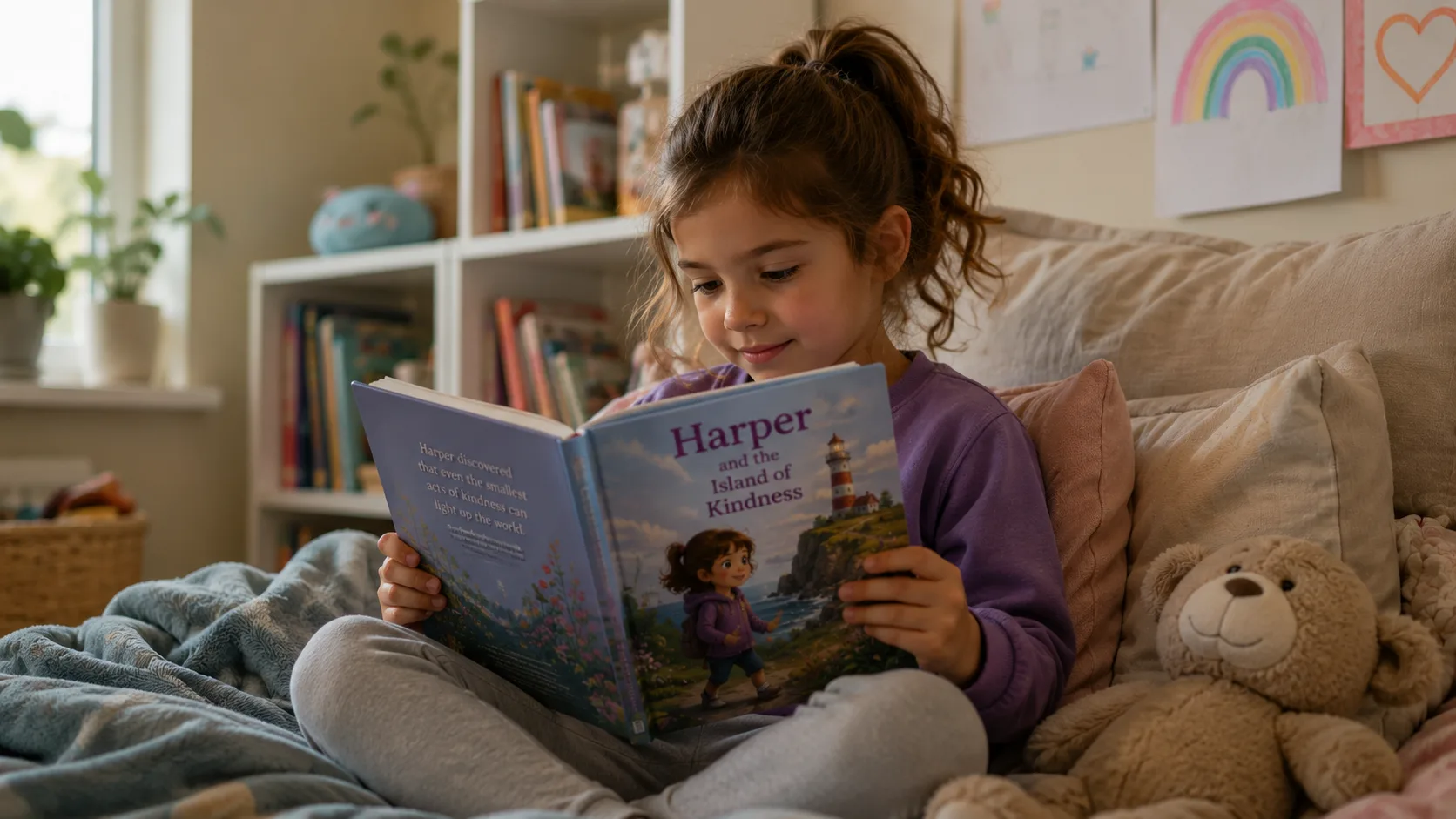
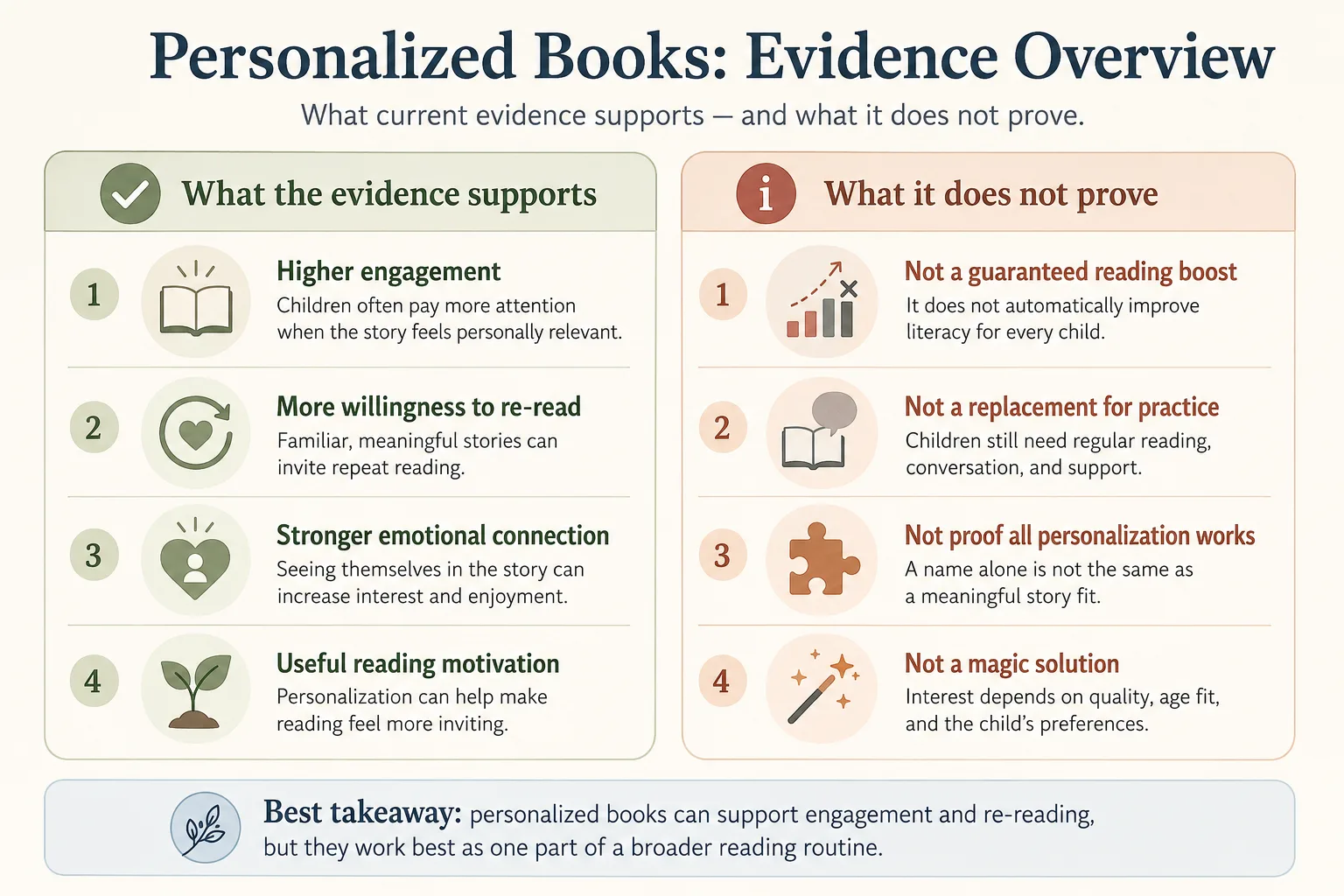
Personalized books are not a guaranteed reading solution. But for the right child, in the right context, they can lower resistance, increase re-reads, and create enough momentum for a reading habit to start.
Yes, personalized books can help some kids read more, especially reluctant readers who reject books because they feel disconnected. No, they do not replace consistent reading routines or learning support.
If you remember one thing: personalized books are a motivation tool. Skill growth still comes from practice volume over time.
What Most Parents Discover Too Late
The package looks lovely. The cover has the child's name. The first page may feel charming. Then the story starts, and the name appears once or twice inside a plot that would read exactly the same with any other name.
This is the most common disappointment. It matters even more when you are buying for a child who already resists books, because surface personalization will not change a reluctant reader's mind.
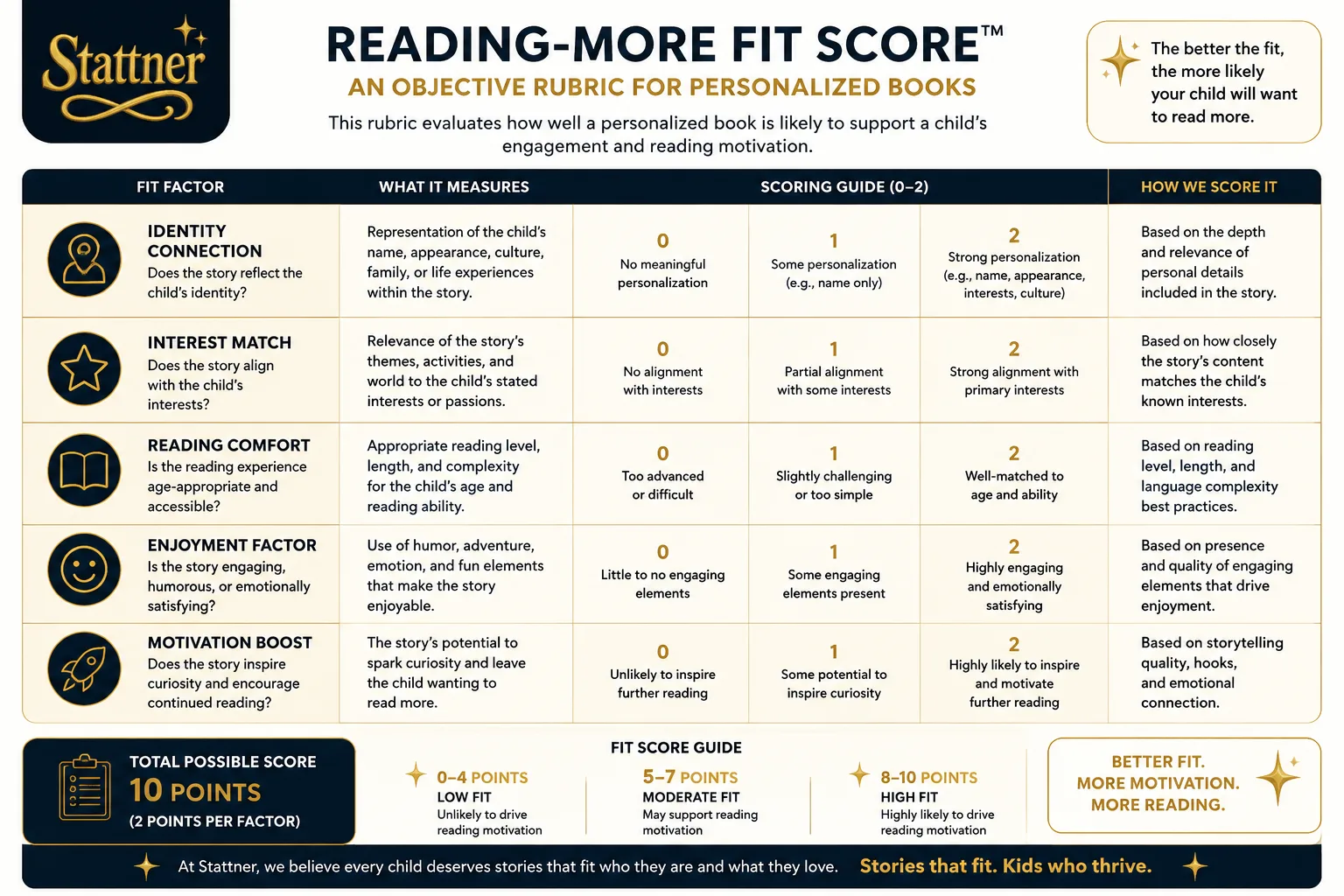
The right question is not "Does this book use my child's name?" The better question is: does this book make my child matter to what happens next?
Why They Work for Some Children
Three mechanisms explain most of the effect: self-relevance, emotional identification, and reread behavior. A child notices themselves faster, commits attention earlier, and returns to the book more often.
- Mechanism 1Self-reference effect Information linked to self is processed and remembered more deeply.
- Mechanism 2Lower entry friction A reluctant reader is more likely to start when the story immediately feels about them.
- Mechanism 3Re-read pull Returning to the same story increases reading minutes and fluency practice.
- Mechanism 4Identity-safe practice Children who avoid being “wrong” often engage better in a familiar personalized narrative.
- Mechanism 5Parent-child interaction quality Shared reading conversations tend to deepen when the child feels central to the story.
- Mechanism 6Emotional salience Stories that mirror a child's world are more likely to be requested again.
Age Fit: What to Look For at Each Stage
Age changes what makes a personalized book work. The same child at four and at eight needs fundamentally different things from the story.
| Age | What works | What to avoid |
|---|---|---|
| 2–4 | Repetition, simple recognition, short scenes, bright visual rhythm | Long text blocks and complex plot turns |
| 5–7 | Humor, agency, playful stakes, personality matching | Name-only personalization wrapped in generic prose |
| 8–10 | Identity depth, interest-specific storytelling, non-babyish tone | Sentimental scripts that feel too young |
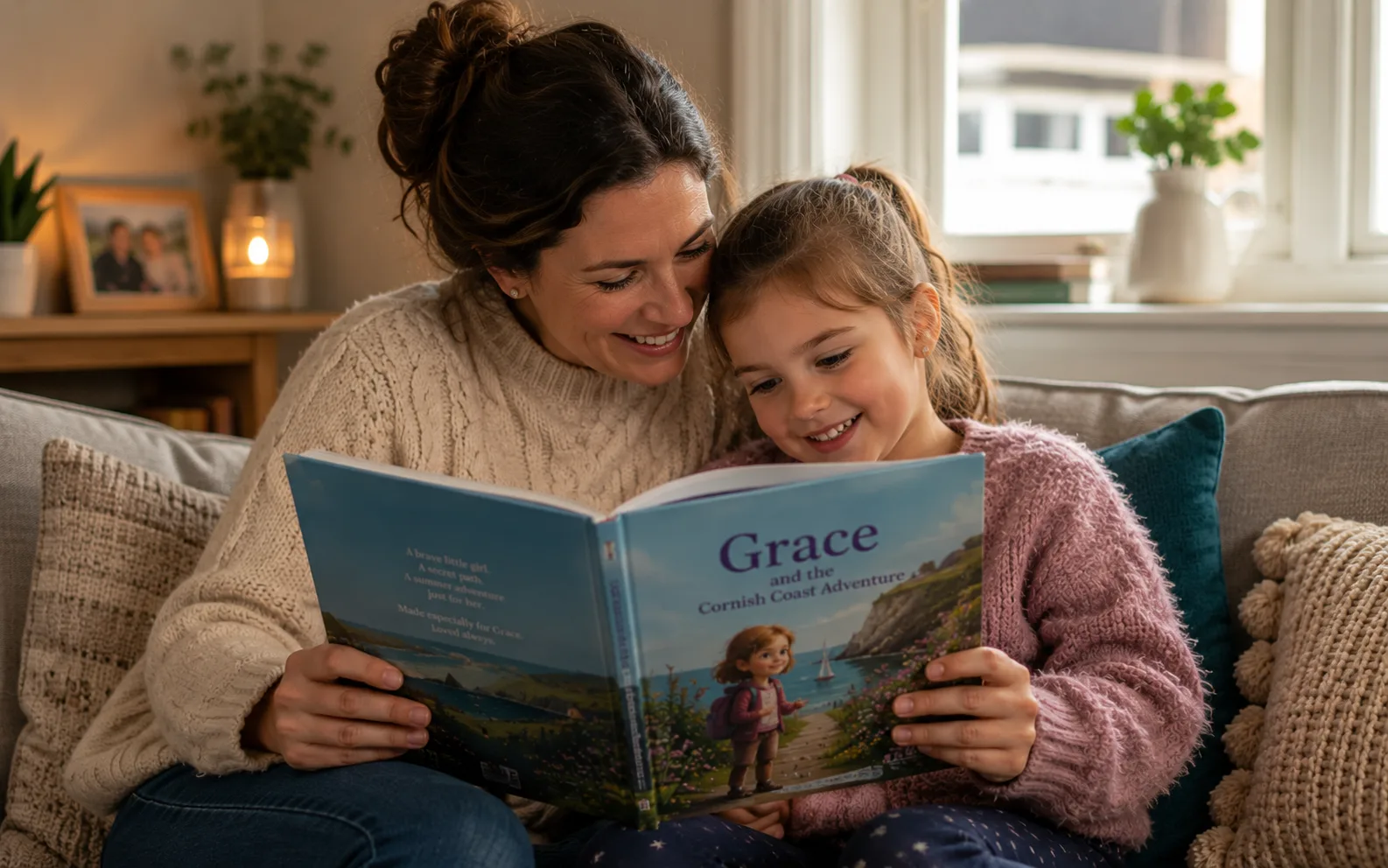
Labelled Book vs Genuinely Personalized Book
A labelled book says "this belongs to you." A personalized book says "this could only be about you." The distinction sounds small, but the reading experience is completely different.
In a labelled book, the name is present but the character is generic. In a genuinely personalized story, child-specific details affect decisions, tone, and outcomes.
For children who resist books, this difference is decisive. Surface personalization confirms that reading is still "not for me." Story-level personalization can reopen attention.
Our Honest Recommendation
If you are buying one personalized children's book, choose the one that passes the six-factor test: plot centrality, age fit, depth, emotional resolution, re-read durability, and keepsake quality.
Do not over-prioritize the prettiest cover or the highest price. Choose the story that makes the child matter, not just the story that mentions them.
A story built around your child, not just their name.
Enter your child's name and a few details from their world, then preview a story that puts them at the center of what happens next.
It is not a guarantee your child becomes a daily reader. It is a better-designed chance.
Preview Their Story