
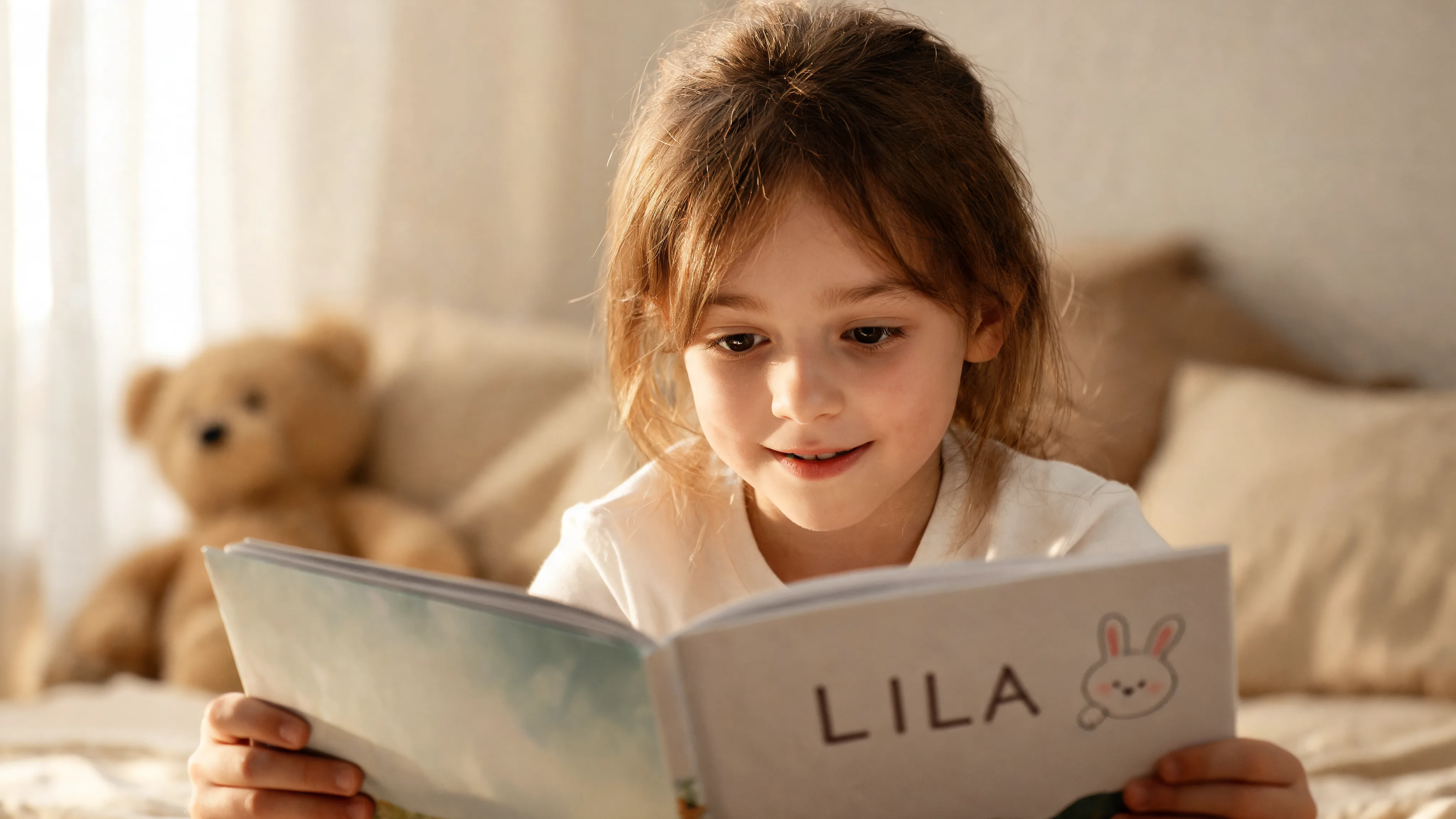
If you've ever watched your child curl up with a book and disappear into a world only they can see, you already know something powerful is happening. Their face changes. Their breathing slows. For a few minutes, they're somewhere else — maybe braver, maybe sillier, maybe more themselves than they've ever been.
That moment isn't just sweet. It's neurologically meaningful.
In a world where children are pulled in a hundred directions — screens, schedules, schoolwork, social anxieties — reading remains one of the quietest, most powerful tools we have to help them grow into confident, imaginative, emotionally aware humans. It's not just about vocabulary or test scores. It's about who they're becoming when no one's watching.
This article isn't about reading levels or homework. It's about what happens inside a child when they fall in love with a story — and how, as parents, we can quietly make that magic happen more often.
Why Reading Builds Confidence in Children
Confidence in children doesn't come from being told they're great. It comes from feeling capable, understood, and part of something meaningful. Reading delivers all three — quietly, without lectures, without pressure.
When a child reads a story and successfully follows it, they experience a small, repeated victory. I understood that. I figured out what happened next. I noticed something the characters didn't. Each of these tiny wins stacks up over time into a deep, internal sense of "I can do hard things."
Stories also give children a private rehearsal space for life. A child who reads about a kid who's nervous on the first day of school, or who stands up to a friend, or who tries something new and fails before succeeding — that child practices courage before they need it. They borrow the character's bravery until their own grows in.
There's research behind this, too. Studies in developmental psychology have repeatedly found that children with regular reading habits show higher self-efficacy scores — meaning they believe they can handle challenges. Books don't just entertain. They quietly build the inner voice that says you've got this.
How Stories Expand a Child's Imagination
Imagination isn't a luxury. It's the foundation of problem-solving, creativity, empathy, and innovation. And books are imagination's most patient teacher.
When you watch a movie or play a video game, the visuals are handed to you. When you read, your brain has to build the world from the words. This is why young readers often develop richer mental imagery, more vivid daydreams, and more creative play than children who consume only screens. They've been training the muscle of "what if" for years without realizing it.
Imagination also gives children a way to be more than themselves. A shy child becomes brave through a brave character. A child who feels different sees themselves reflected in a misfit hero. A child who's struggling finds a story where someone struggled and made it through.
The more diverse the stories your child encounters — funny ones, scary ones, magical ones, real ones — the more "selves" they get to try on. And the more flexible, curious, and creative they become.
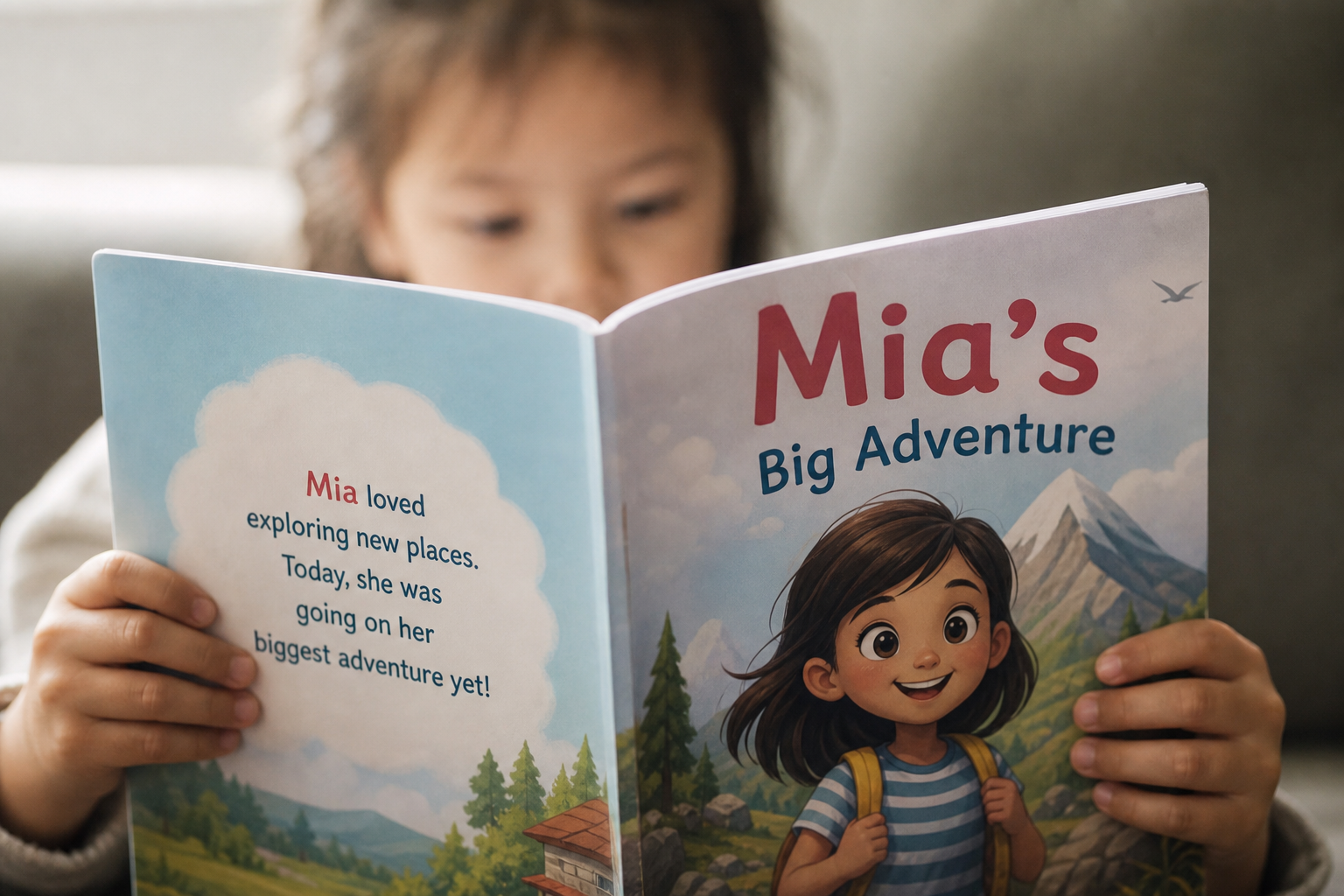
Reading Helps Children Express Their Thoughts and Feelings
Children often feel things they don't yet have words for. They feel jealous before they know the word "jealous." They feel lonely before they can name loneliness. They feel proud, anxious, embarrassed, brave — long before language catches up to the experience.
Books give them the vocabulary. When a child reads about a character who feels what they feel, something powerful happens: the feeling becomes nameable. And once it has a name, it becomes manageable.
Children's books are full of feelings handled out loud — frustration, disappointment, friendship, fear, courage. Reading these stories gives kids permission to talk about their own emotions, often using the characters as a starting point. "That's like when I felt sad on Monday." Suddenly, a hard conversation has a doorway.
For parents, this is gold. A book can open a conversation that direct questions can't. "How was school today?" gets you a shrug. "Did Owl in this book feel left out, kind of like you said you felt yesterday?" gets you a real answer. These emotion conversations through books often feel easier because the character gives everyone a gentle place to start.
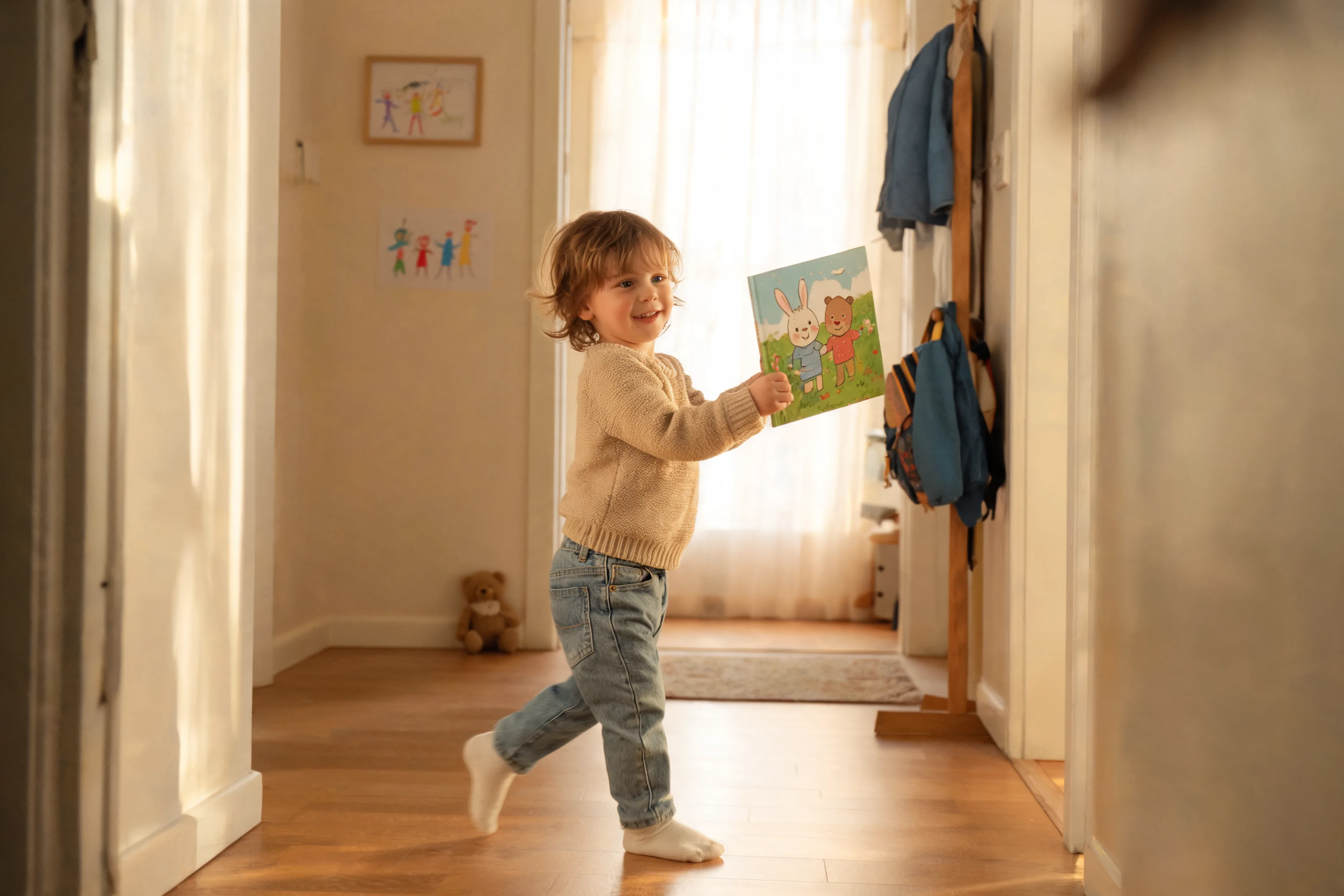
The Story They Can't Help Wanting to Hear Again
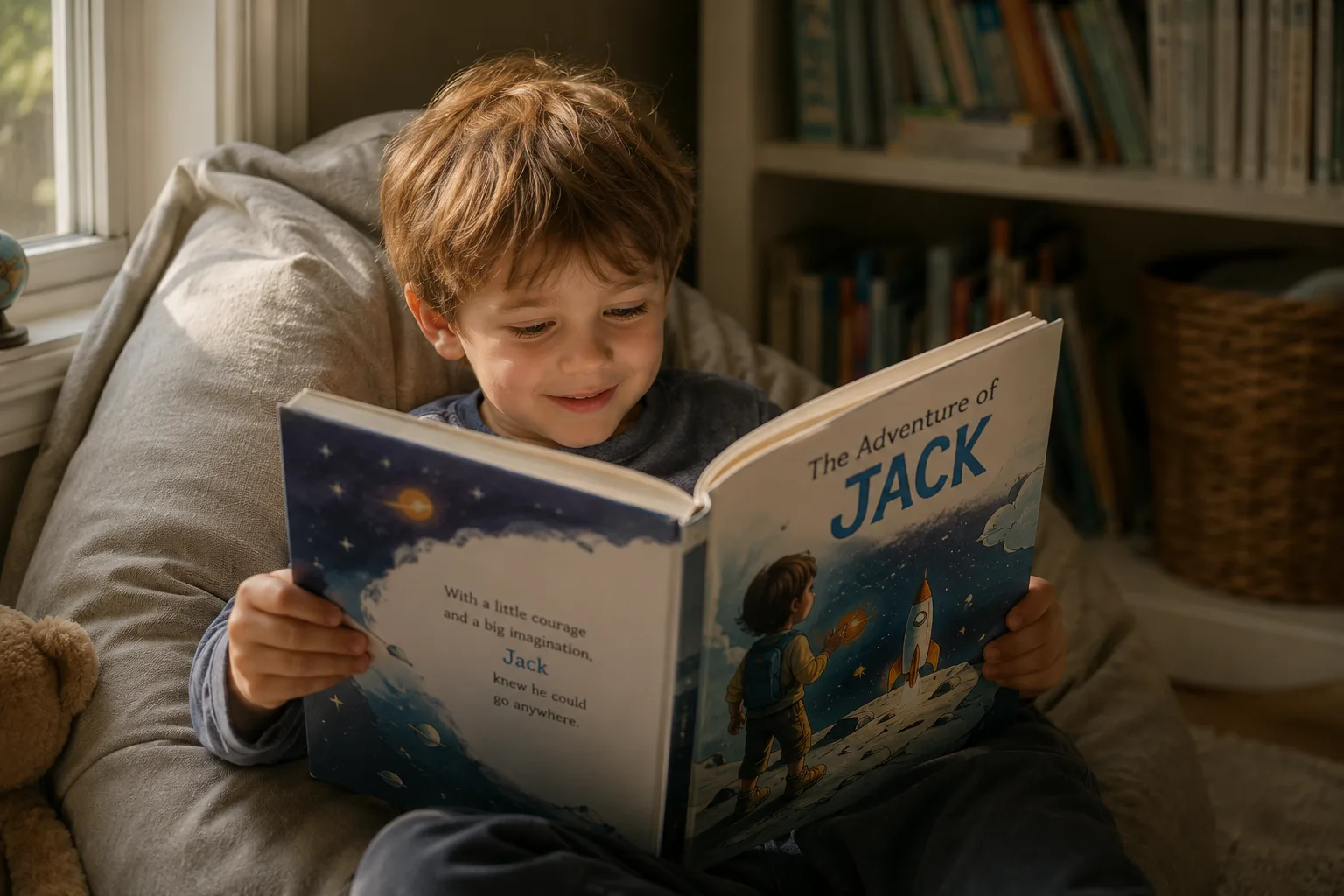
There's a particular kind of magic that happens when a child sees their own name in a book. Or finds their own face on the page. Or watches a story unfold in which they are the hero.
Child psychologists refer to something called "narrative identity" — the way humans build a sense of who they are through the stories they tell about themselves. When children appear in stories, they internalize whatever happens to that character. If the character is brave, they feel brave. If the character is funny, they feel funny. If the character is loved, they feel loved.
This is why a personalized children's book can be such a powerful reading tool. They aren't just clever gifts. They're identity-shapers. They tell a child, in a way nothing else can: "You belong in stories. You matter enough to be the main character."
For children who are reluctant readers, this shift can be transformative. A child who finds reading boring or hard often doesn't care what happens to a generic character. But when they are the character? Suddenly it matters. Suddenly they want to know what happens next. Suddenly they're reading without realizing they're reading.
Children build their inner identity through the stories around them. The stories they hear, the stories they read, and especially the stories where they are the main character. Personalized books aren't just gifts — they're little mirrors that show your child who they could be.
The Role of Humor in Helping Children Love Reading
If confidence is the foundation and personalization is the spark, humor is the open door.
Children laugh easily, and they remember laughter even more easily. A child who laughs out loud at a book — really laughs, the kind of laugh that makes them lean back and gasp — has just associated reading with one of the best feelings their nervous system can produce. That association doesn't fade.
Funny books work for another reason, too: they're psychologically low-pressure. A child who feels intimidated by reading often associates books with stress — the stress of school, of being tested, of being told they're behind. A funny book disarms all that. It says: this isn't a test. This is just fun. Stay as long as you want.
Many parents and educators notice that humor can make reading feel less intimidating, especially for children who associate books with pressure. Joy is sticky. Pressure isn't.
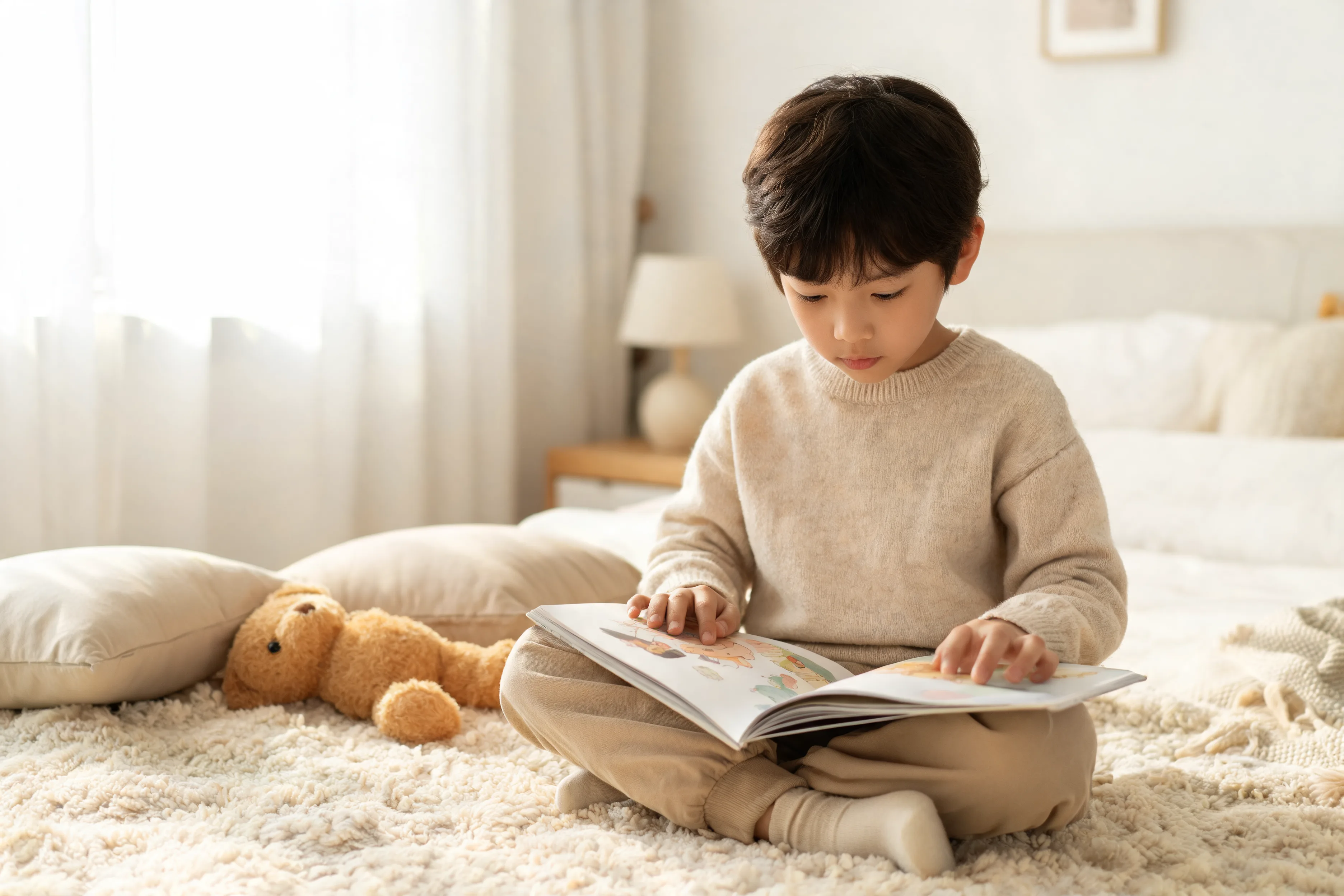
Simple Ways Parents Can Encourage Reading at Home
You don't need a perfect plan to raise a reader. You need small, consistent habits — the kind that don't feel like work to either of you.
Here are the practices that consistently move the needle:
- Make reading visible. Children copy what they see. If they see you reading — your phone, a magazine, a novel, anything — they internalize that adults read. Books on the coffee table beat books on the shelf.
- Let them choose. A child who picks their own book — even a "babyish" one or a comic or a picture book they've outgrown — is reading by choice. That's the foundation everything else builds on. Forced reading creates reluctant readers. Chosen reading creates lifelong ones.
- Read aloud, even after they can read. Reading to your child past the age they can read alone is one of the most underrated parenting investments. It's bonding, it's modeling, and it gives them permission to enjoy stories above their reading level.
- Make it physical. A reading nook. A special blanket. A flashlight under the covers. Rituals make books feel like an event, not a chore.
- Don't quiz them. When a child finishes a book, resist the instinct to test what they remember. Instead, ask "what part made you laugh?" or "would you want to be friends with anyone in that book?" Curiosity, not assessment.
- Mix in funny, personalized, surprising books. When a bookshelf contains only "good for them" books, reading starts to feel like vegetables. Add some books that are pure joy — the dessert of children's literature.
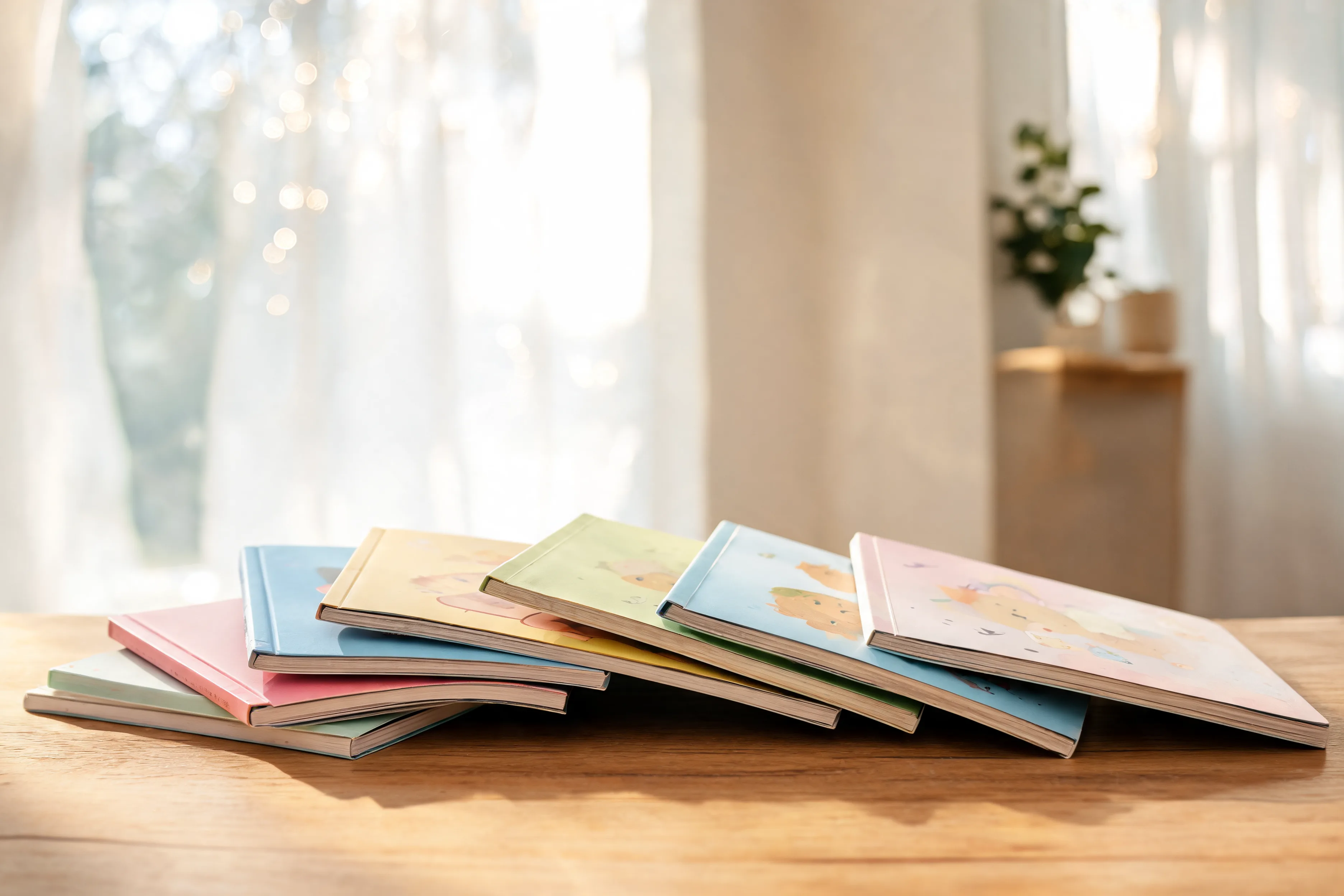
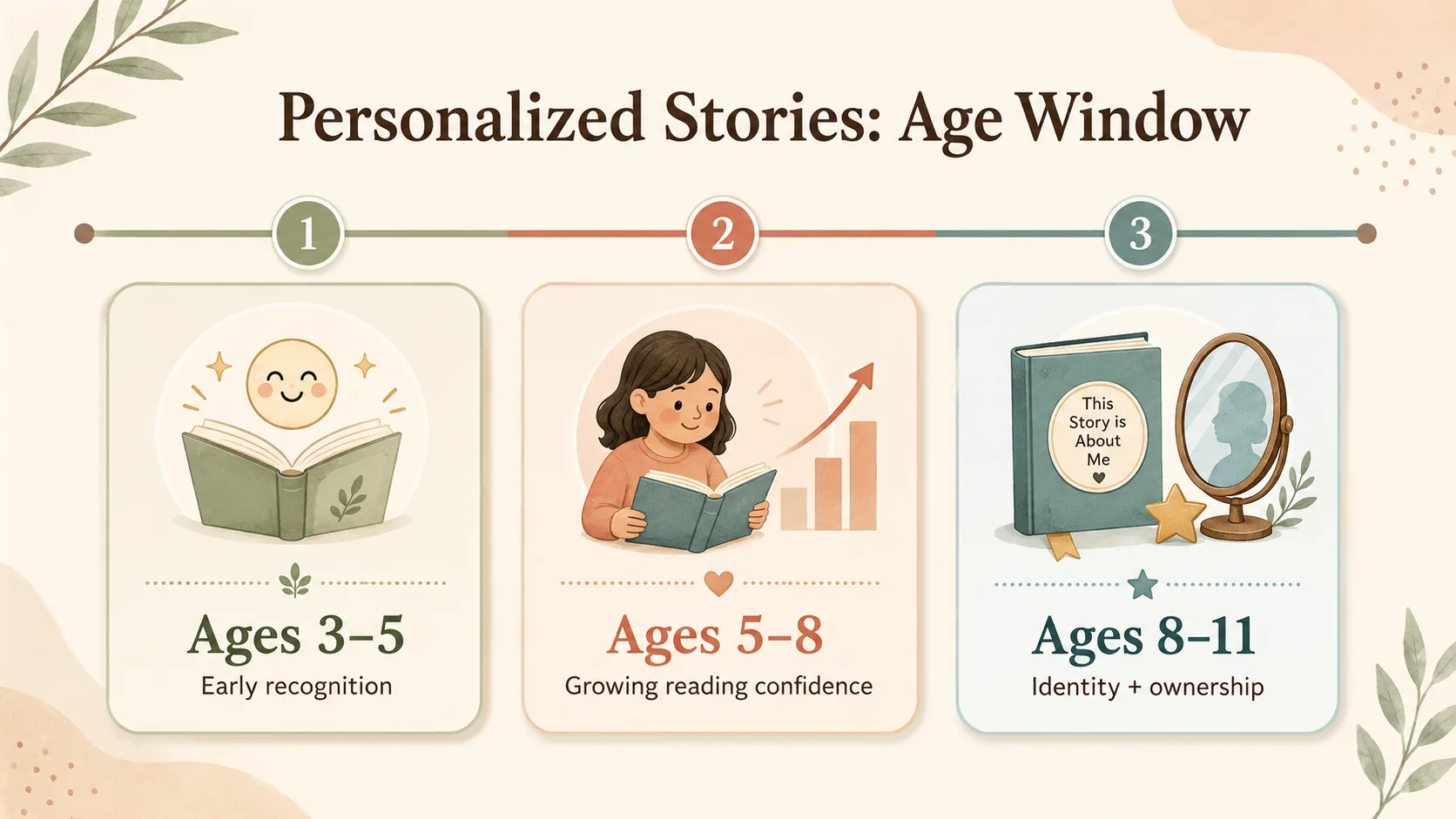
A Fun Reading Idea: A Personalized Stattner Book for Kids
If you're looking for one fun, slightly unexpected addition to your child's reading life, consider a personalized Stattner book for kids.
A personalized Stattner book is a custom children's book where your child becomes the star of a series of playful, surprising, completely silly adventures. They wake up to find their stuffed animals have organized a tea party in the bathtub. They open the fridge to discover the milk is plotting something. The cat has a secret plan, and your child is the only one who can stop it.
It's silly. It's harmless. And it's powerful — for several reasons that go deeper than "kids think it's funny":
- They feel seen. Their name on the page tells them they matter enough to be in stories.
- They feel capable. They're not just along for the ride — they're the hero.
- They feel delighted. Real, belly-laugh delight. Which their brain links forever with reading.
- They feel the whole family in it. The book becomes a shared moment, not a solo task.
For reluctant readers, this can be a turning point. A funny personalized book for reluctant readers often does what ordinary stories can't — a child who has decided reading isn't for them often changes their mind when handed a book where they are the joke, they are the hero, they are the surprise.
For confident readers, it deepens the love affair with stories. It signals that reading isn't just school — it's also pure fun.
For parents, it's a memory. Reading the book together, watching your child laugh at their own name appearing in increasingly absurd situations, becomes one of those small, perfect moments that don't fade.
Create a personalized Stattner book that makes your child the star of the story.
Add their name, their personality, their world — and watch them fall a little more in love with reading. The kind of book reluctant readers can't put down and confident readers re-read until the cover bends.
It's a gift, a reading tool, and a memory-maker rolled into one — the kind of book families end up saving long after the laughter fades.
Personalize Your Child's BookThe Quiet Long Game of Raising a Reader
Raising a reader isn't a destination. It's a thousand small moments — the bedtime story, the silly book that made them laugh, the rainy afternoon they got lost in a paperback, the morning they came downstairs already reading.
What we know is this: children who are read to, who are surrounded by books, who associate stories with love and laughter and feeling-seen, grow into more confident, more imaginative, more emotionally articulate adults.
You don't have to do it perfectly. You just have to keep the door open.
Sometimes that door is a classic novel. Sometimes it's a comic book. Sometimes it's a bedtime story you've read 300 times. And sometimes — for the right kid on the right day — it's a personalized Stattner book where they're the hero, the milk is plotting something, and the laughter doesn't stop until bedtime.
Whatever the door — keep it open.