
Read-Aloud Books for Kids: The Complete Age-by-Age Guide
Reading aloud is one of the simplest family habits with the biggest long-term value. This guide explains what to read, how to read it, and how to keep kids engaged from babyhood through the tween years.
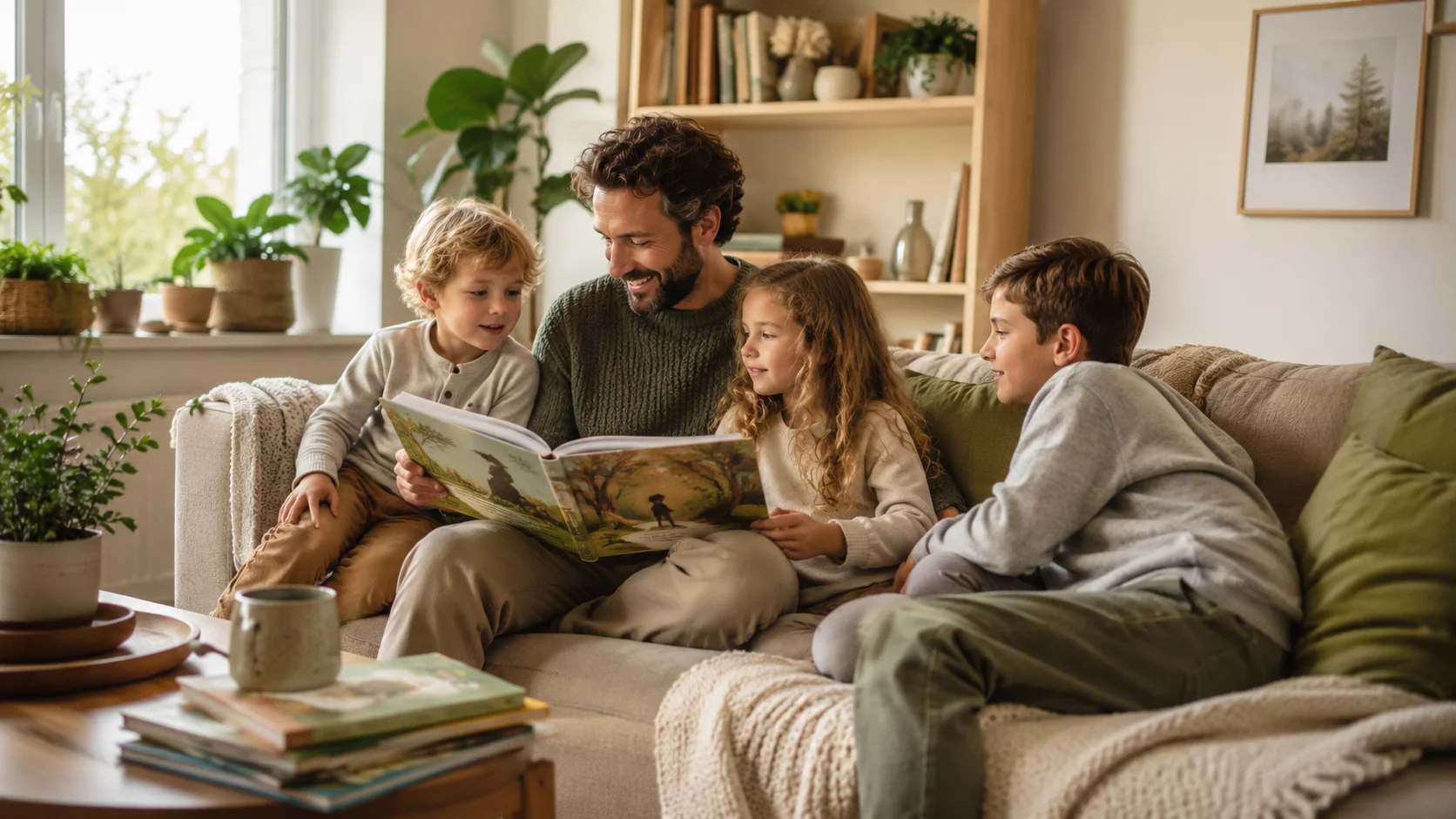
Quick Answer: What Makes a Great Read-Aloud Book?
The best read-aloud books are not always the newest books or the most famous books. They are the books that sound good out loud, invite participation, and make children want one more page.
Rhythm
Books with musical language, repetition, or strong pacing are easier for children to follow by ear.
Emotion
Great read-alouds create warmth, suspense, humor, empathy, or a shared family feeling.
Participation
Kids stay engaged when they can point, predict, repeat lines, ask questions, or act out voices.
Why Reading Aloud Matters
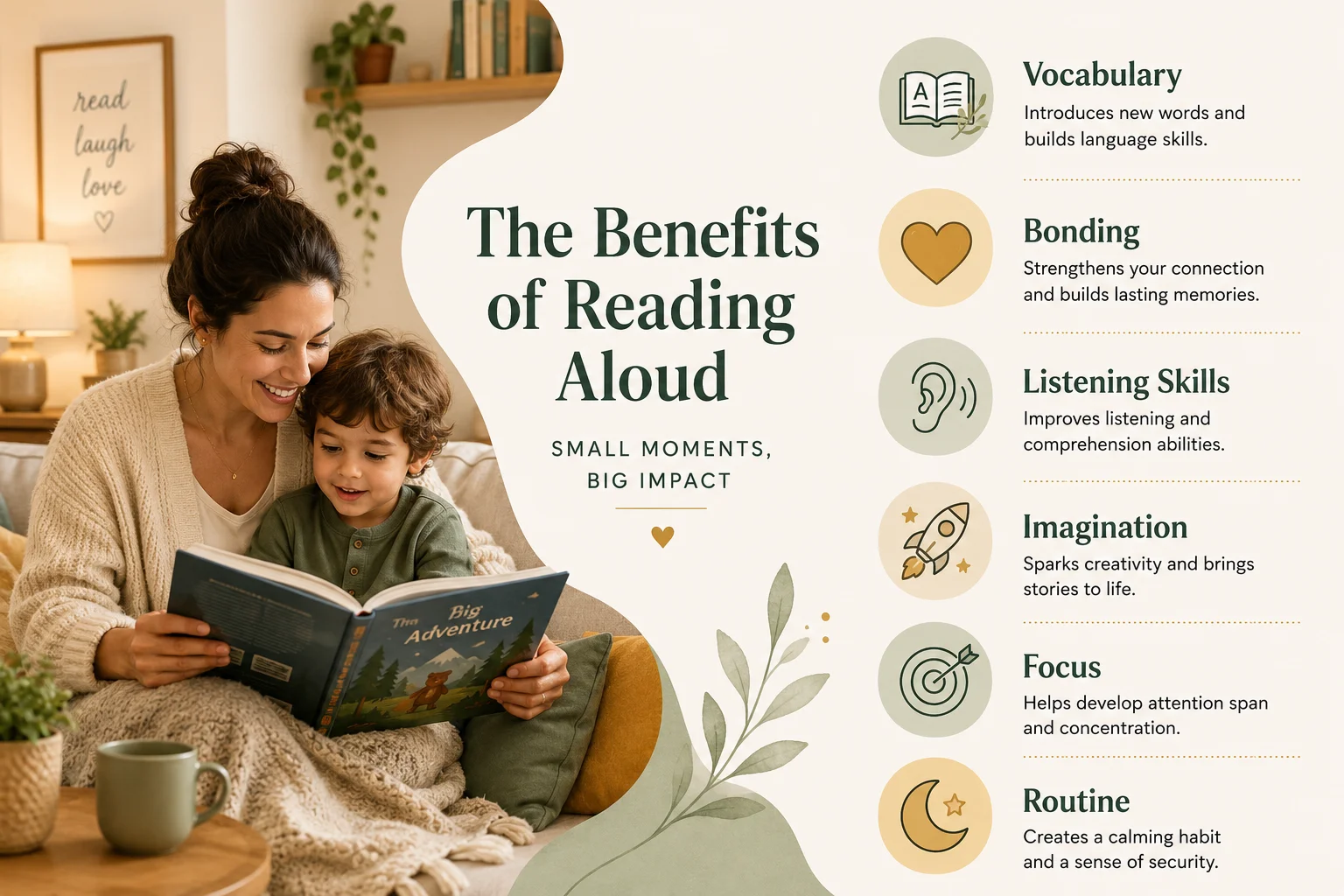
Reading aloud gives children repeated exposure to vocabulary, story structure, listening comprehension, and the emotional experience of sharing books with someone they trust. It also turns books into a relationship, not just a school skill.
For babies and toddlers, reading aloud often means rhythm, cuddling, pointing, naming, and hearing language. For older children, it can mean enjoying stories above their independent reading level and discussing characters, choices, and emotions.
How to Read Aloud So Kids Actually Listen
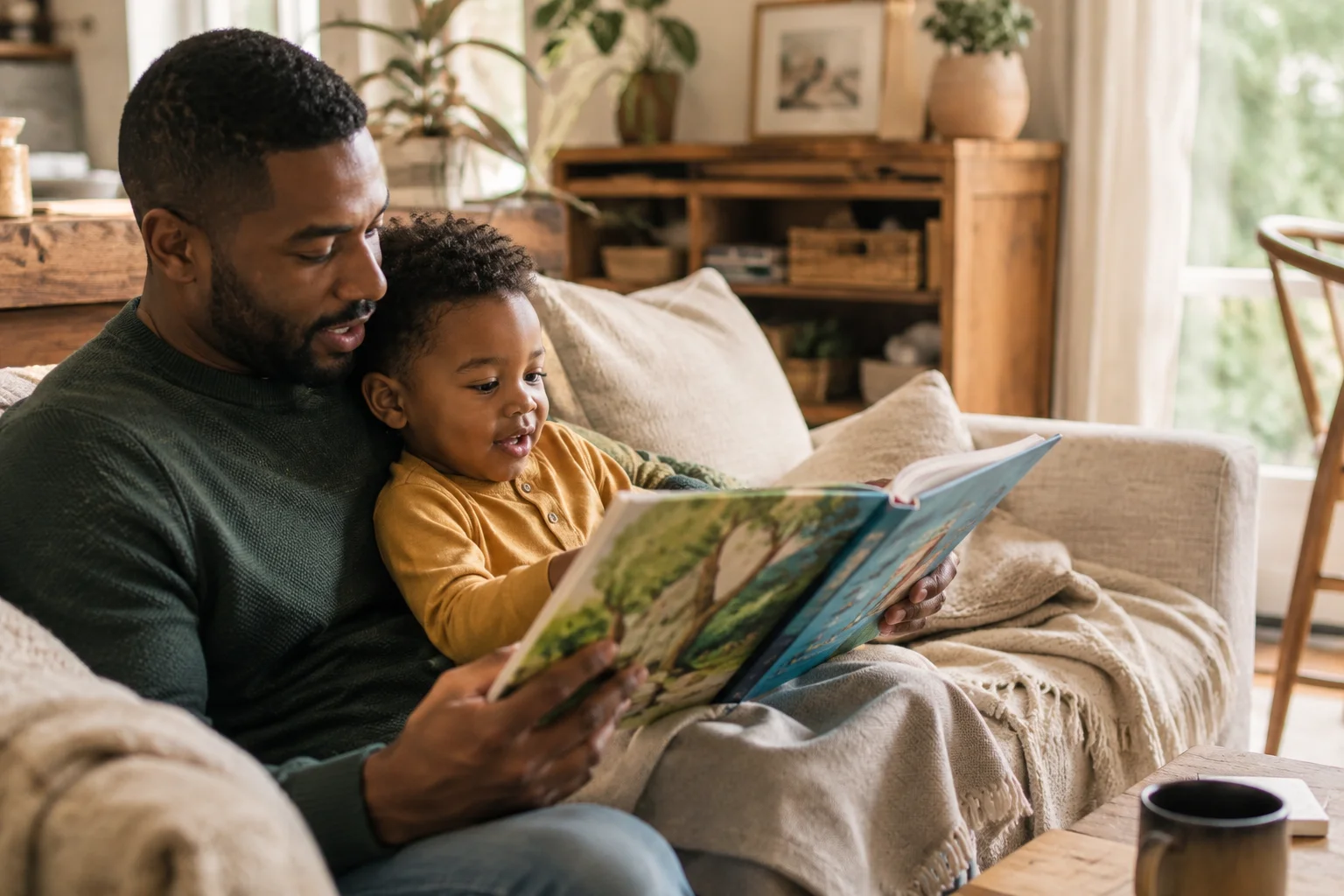
The goal is not to perform perfectly. The goal is to make the book feel alive. Slow down, pause before page turns, ask small questions, and let your child interrupt. Interruptions are often engagement, not failure.
Read-Aloud Books for Babies
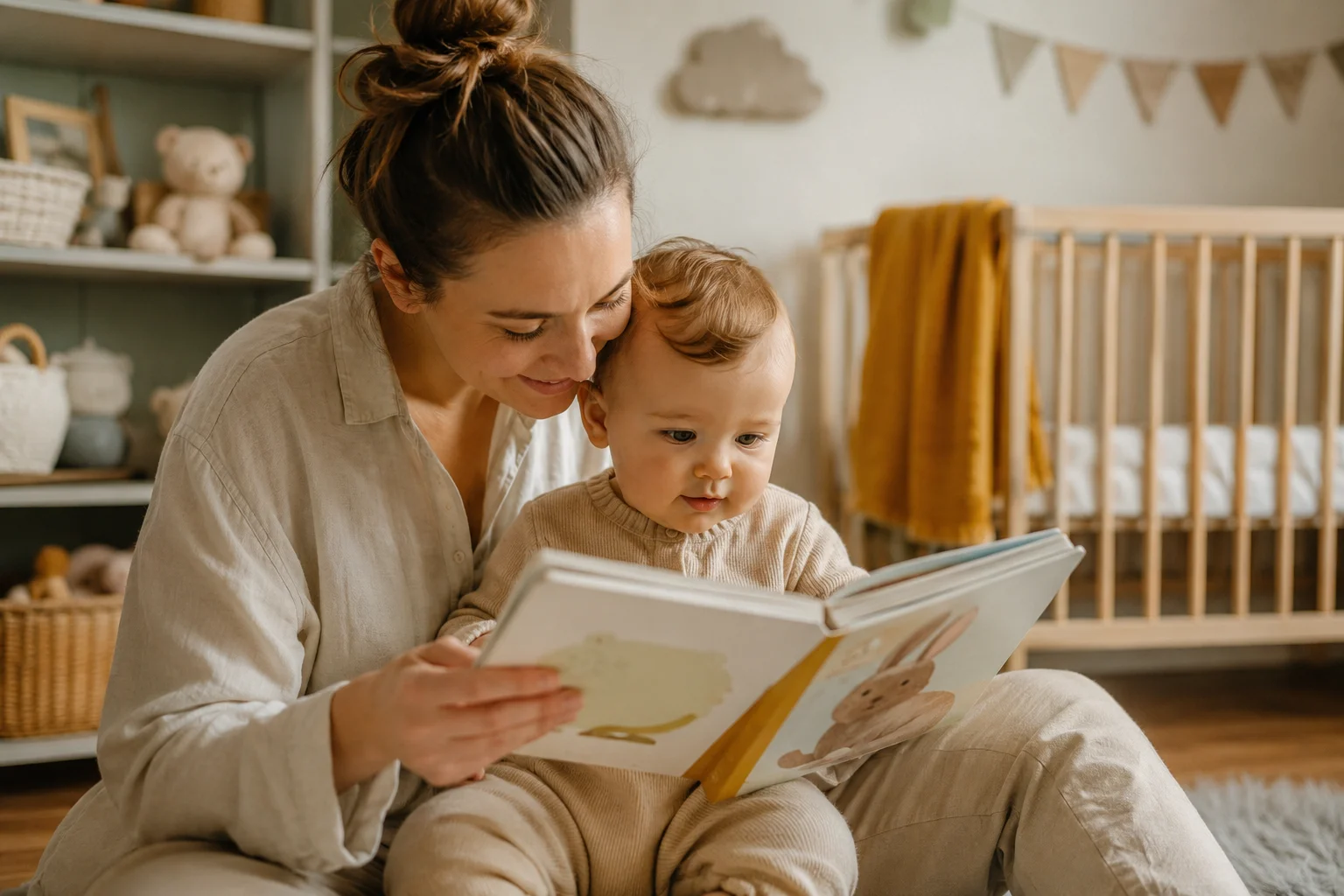
For babies, choose sturdy books with rhythm, contrast, simple pictures, and short text. The baby does not need to understand the story for the moment to matter. Your voice, pacing, and warmth are the experience.
Read-Aloud Books for Toddlers
Toddlers love repetition, surprise, animal sounds, naming, movement, and “again.” A good toddler read-aloud lets them participate before they can follow a long plot.
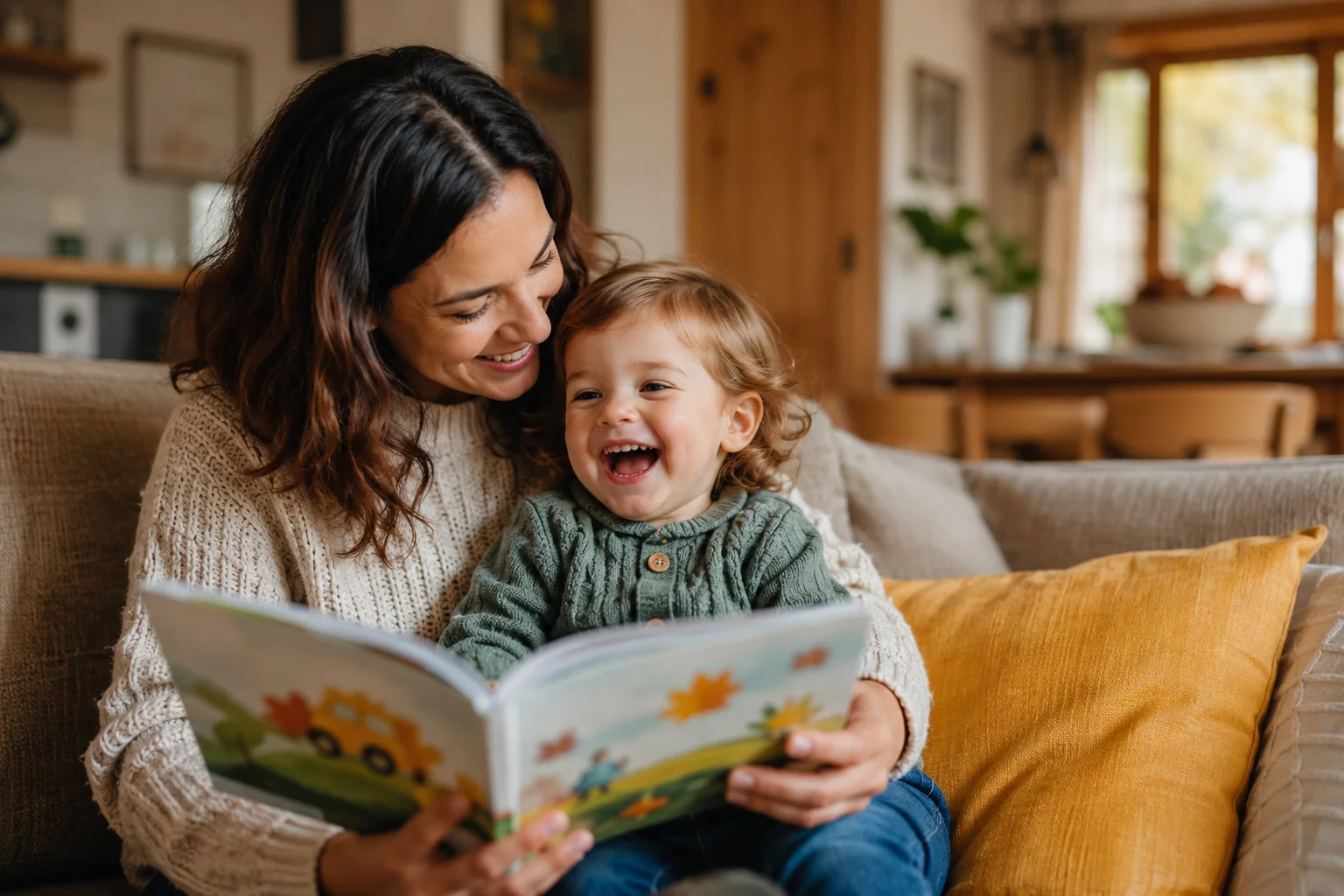
- Use silly voices and predictable refrains.
- Let them point, turn pages, and interrupt.
- Re-read favorites without guilt. Repetition is useful.
Read-Aloud Books for Preschoolers
Preschoolers are ready for stronger story arcs. This is the age for imagination, problem solving, feelings, and “what happens next?” questions.
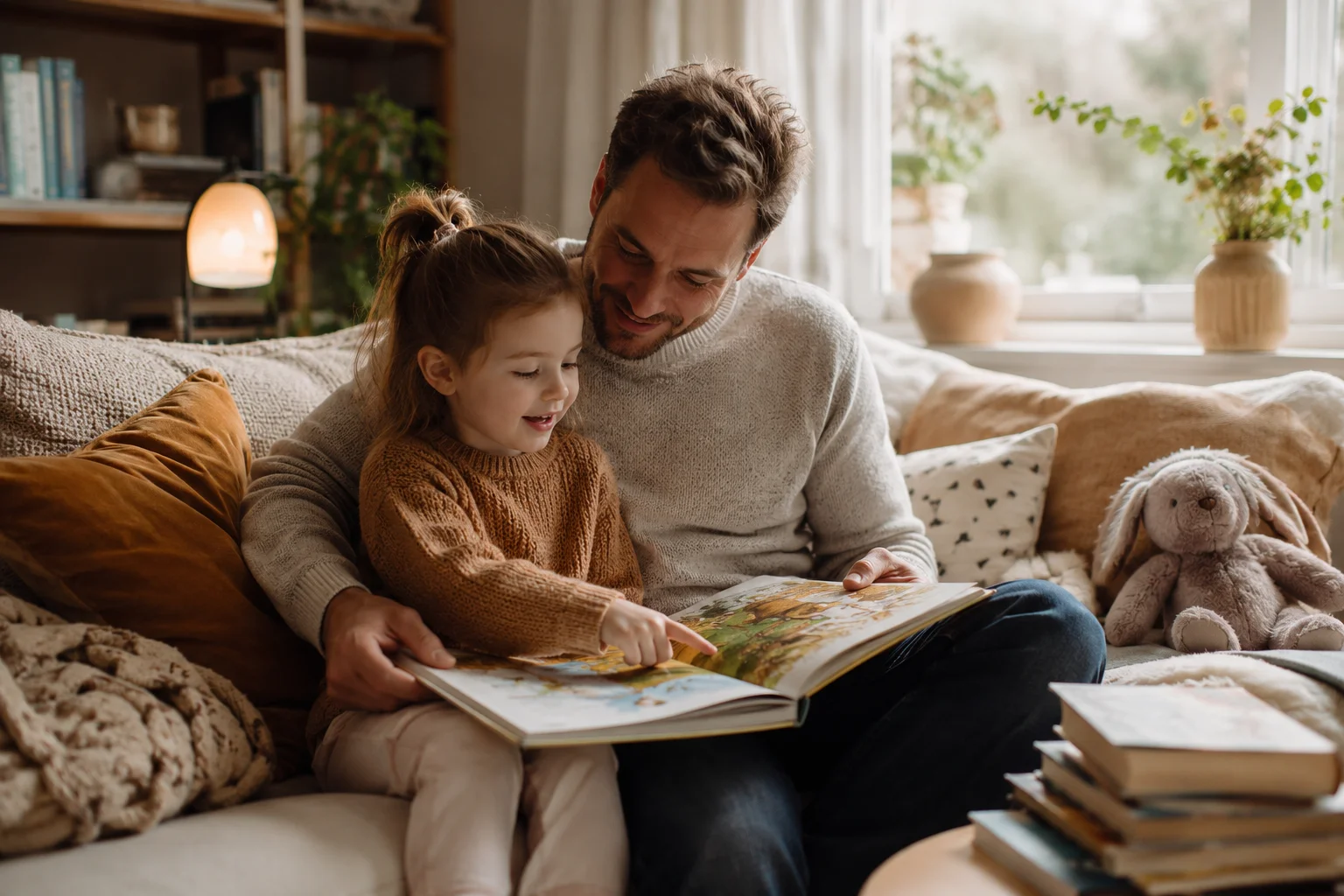
Read-Aloud Books for School-Age Kids
Once children start reading alone, many parents stop reading aloud too early. Keep going. Children can often understand more complex stories by listening than they can read independently.
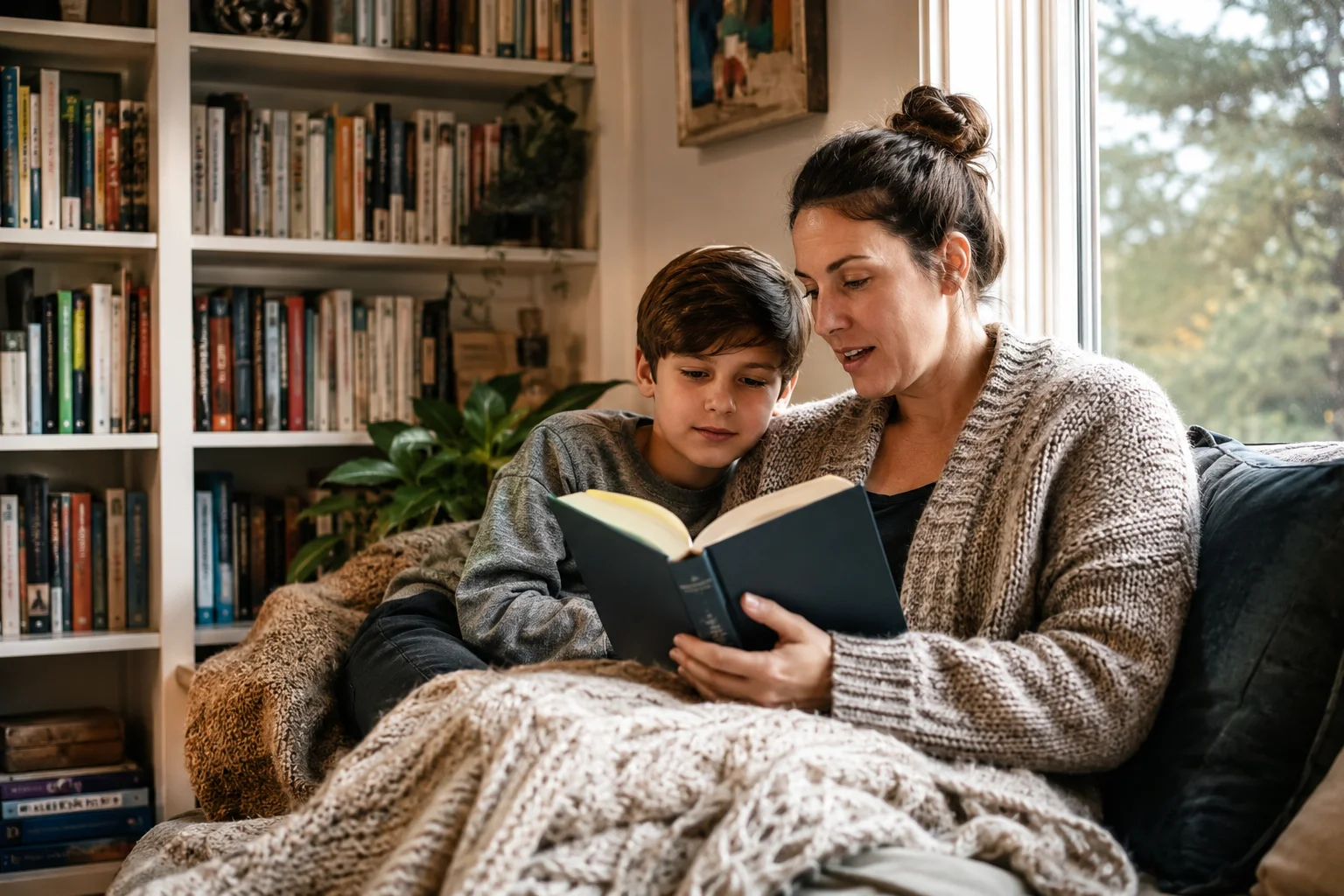
Reading Aloud to Tweens
Tweens do not need babyish read-alouds. They need richer stories, humor, suspense, emotional complexity, and respect. Family reading can become a way to talk about big themes without forcing a lecture.
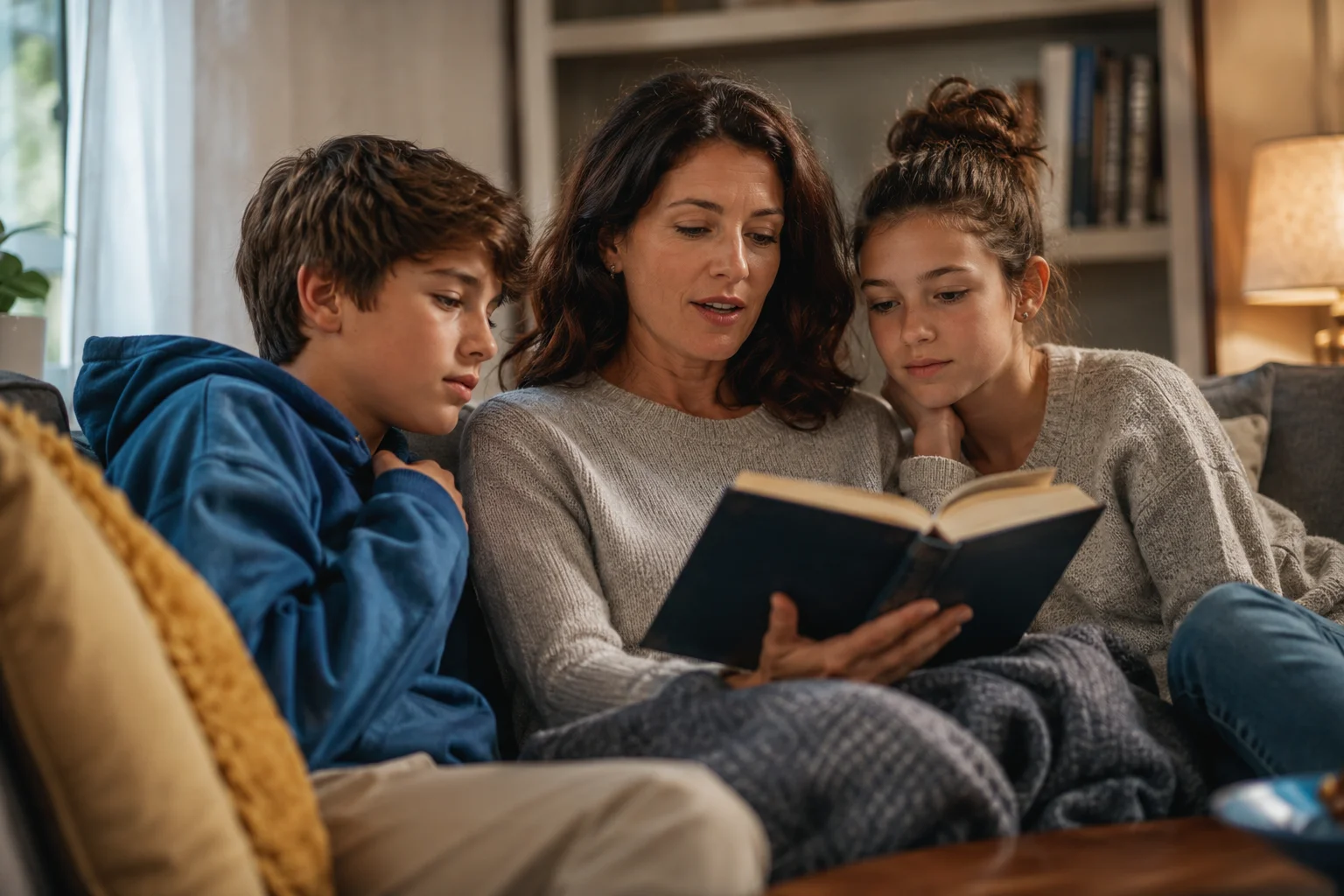
Building a Bedtime Read-Aloud Routine
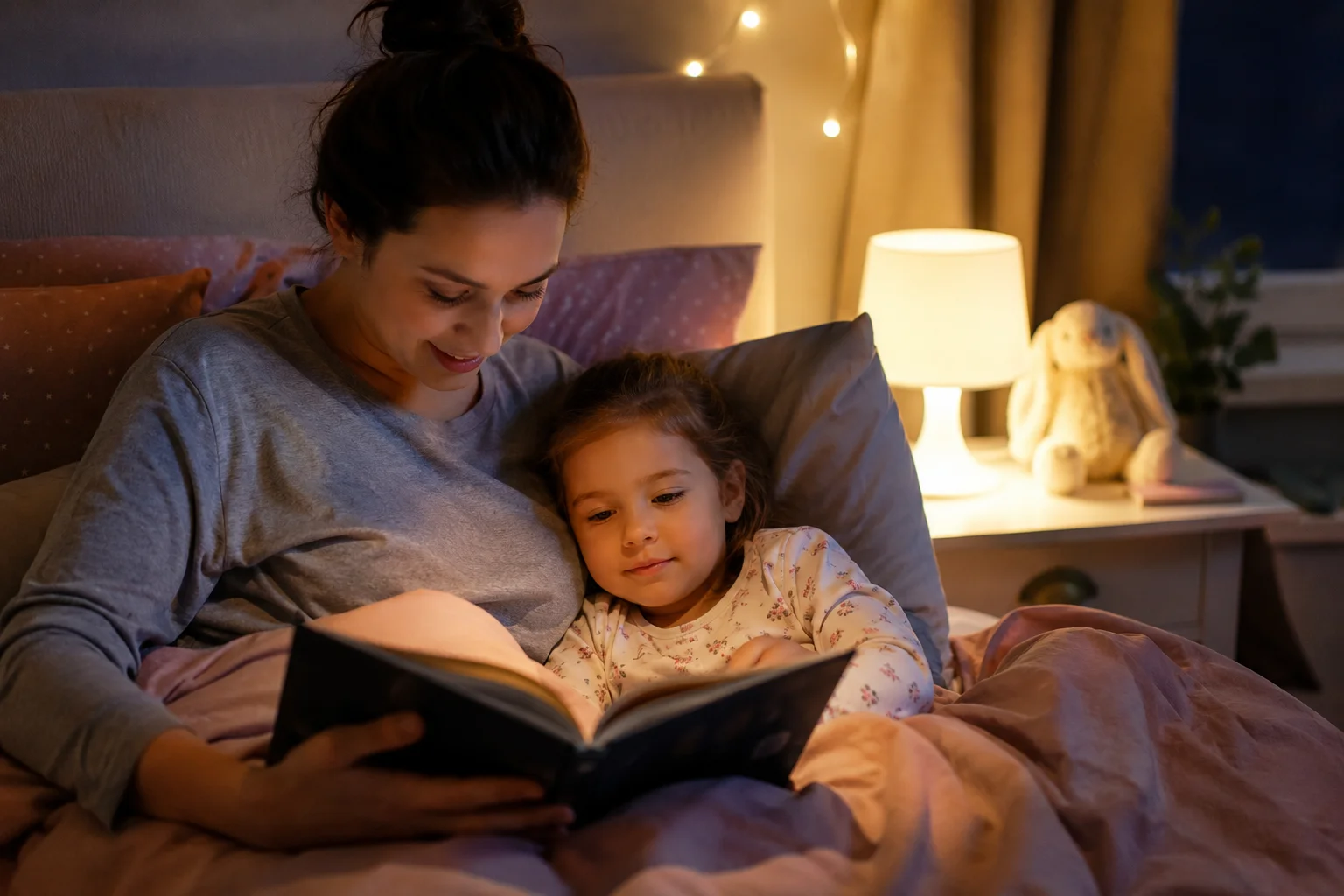
A bedtime routine does not need to be long. Ten calm minutes can be enough. Choose a predictable place, lower the lights, put devices away, and keep the tone gentle.
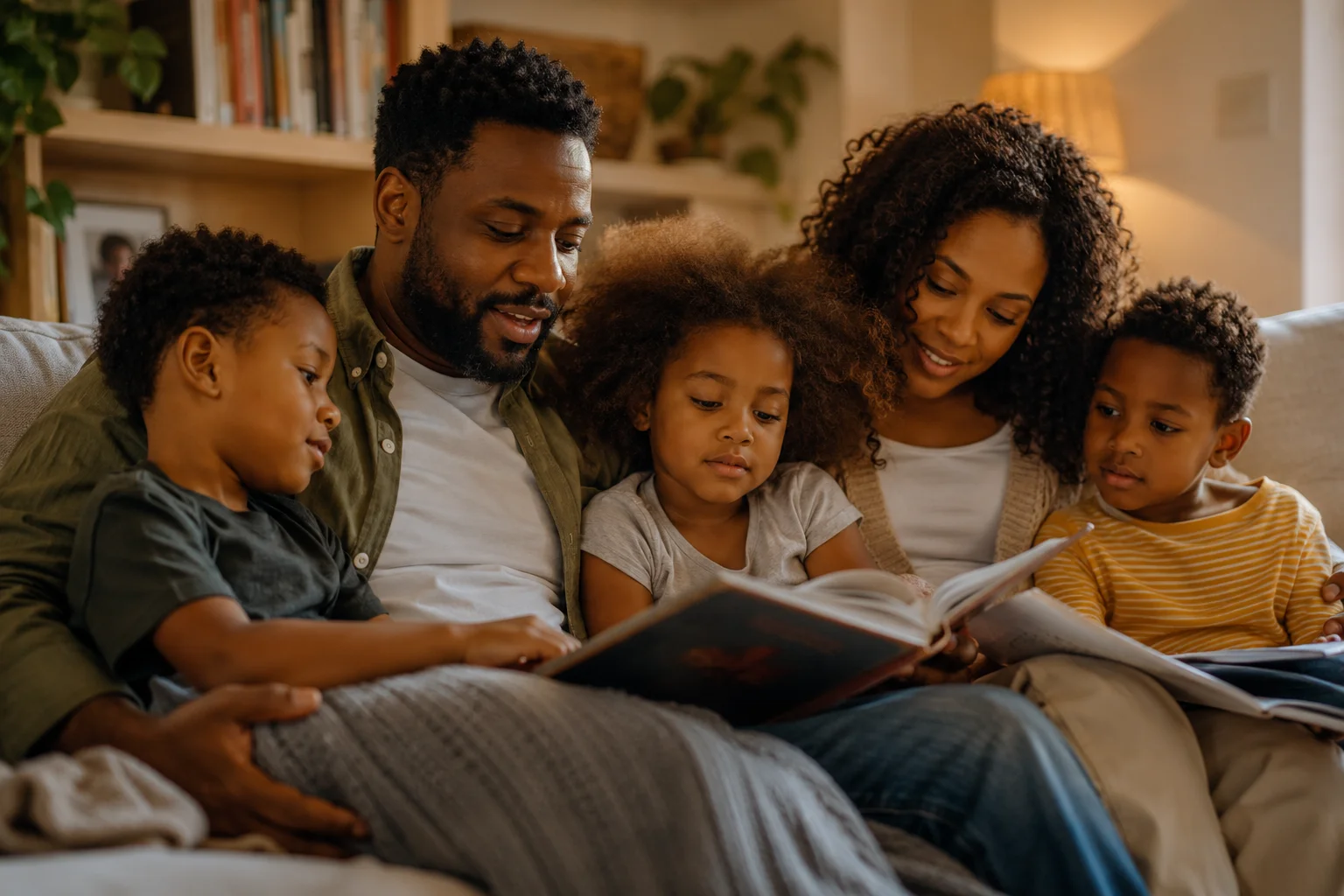
Family Reading Together
Family reading works best when it feels flexible. One parent can read, siblings can listen at different levels, and the same book can create different kinds of value for each child.
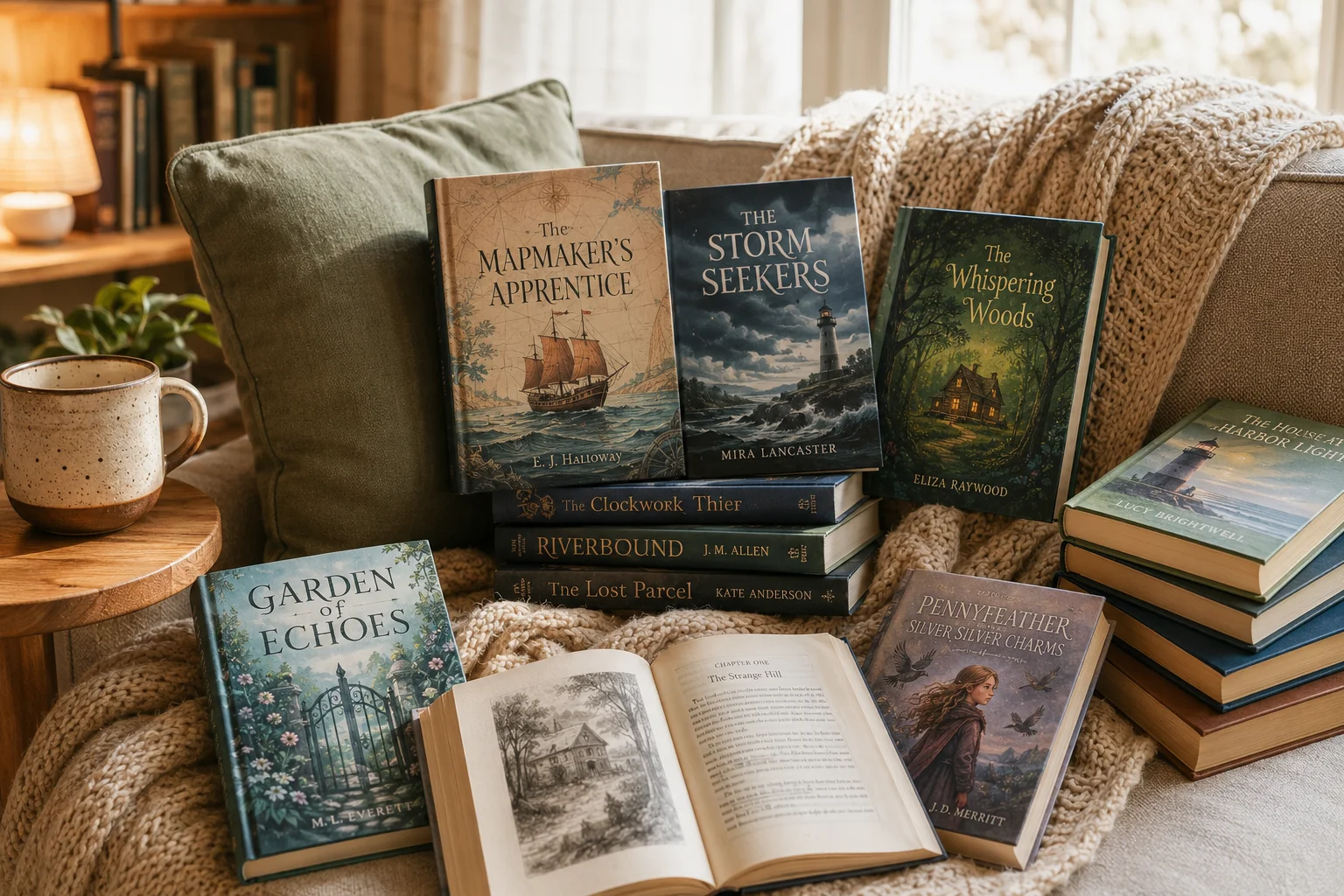
Best Read-Aloud Chapter Books
Chapter books are perfect when a child can follow a story across multiple nights. Choose stories with clear chapters, memorable characters, and enough momentum to make children ask for the next chapter.
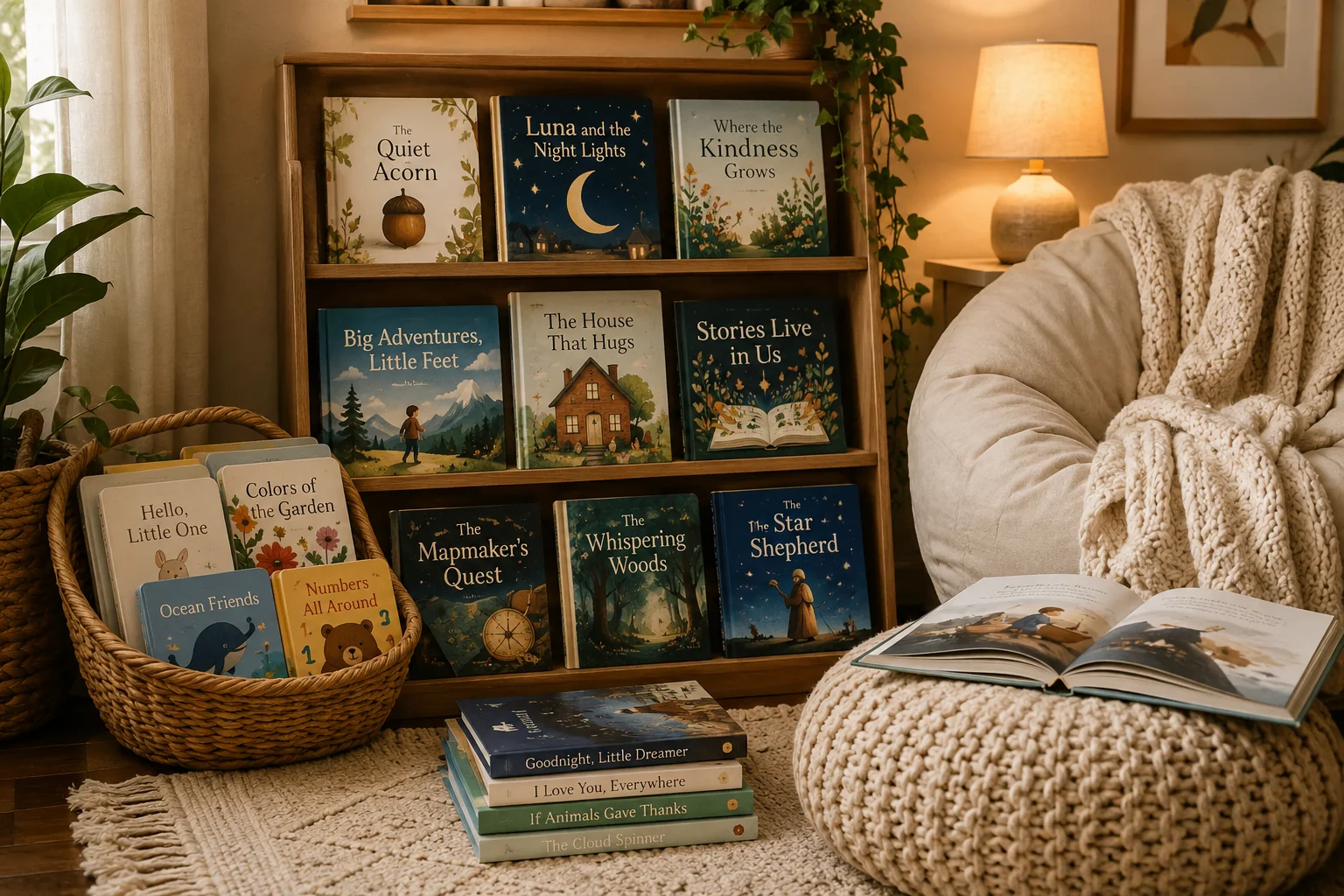
Recommended Read-Aloud Books
Instead of chasing one perfect list, build a balanced shelf: funny books, lyrical books, comforting books, adventurous books, and one longer book you read over many nights.
| Age | Best Read-Aloud Type | What to Look For |
|---|---|---|
| Baby | Board books | Rhythm, contrast, simple naming |
| Toddler | Repetitive picture books | Sounds, actions, predictable lines |
| Preschool | Story picture books | Feelings, choices, imagination |
| School age | Early chapter books | Memorable characters and cliffhangers |
| Tweens | Longer novels | Humor, suspense, emotional depth |
Do Personalized Books Work for Reading Aloud?
Personalized books can help some children pay closer attention because the story feels connected to them. They should not replace a full reading shelf, but they can be strong for birthdays, bedtime routines, reluctant listeners, and gift moments.
Want a read-aloud gift that feels personal?
A personalized children’s book can turn story time into a keepsake moment, especially for birthdays, baby showers, and milestone gifts.
FAQ
How long should I read aloud each day?
Start with what your child can enjoy. Five calm minutes is better than forcing thirty minutes. Consistency matters more than length.
What if my child interrupts constantly?
That is often a sign of engagement. Follow some interruptions, then gently return to the story.
Should I use voices?
Use voices if you enjoy them. Expression, pacing, and warmth matter more than acting ability.
Sources and Further Reading
- American Academy of Pediatrics. Guidance on early literacy promotion and reading aloud in pediatric care.
- Reading Rockets. Family reading, read-aloud strategies, and early literacy resources.
- International Literacy Association. Literacy development and reading engagement resources.
- National Center for Education Statistics. Reading habits and literacy background research.