A personalized wizard book can look impressive before anyone has read a sentence. Wands, glowing rooms and spell effects are visually easy to sell. The harder—and more important—question is whether the child gets a story with rules, choices and consequences that make the magic meaningful.
The buyer test is simple: would the book still be enjoyable if the first surprise of seeing the child’s name and face were no longer new? If not, the product is relying too heavily on novelty.
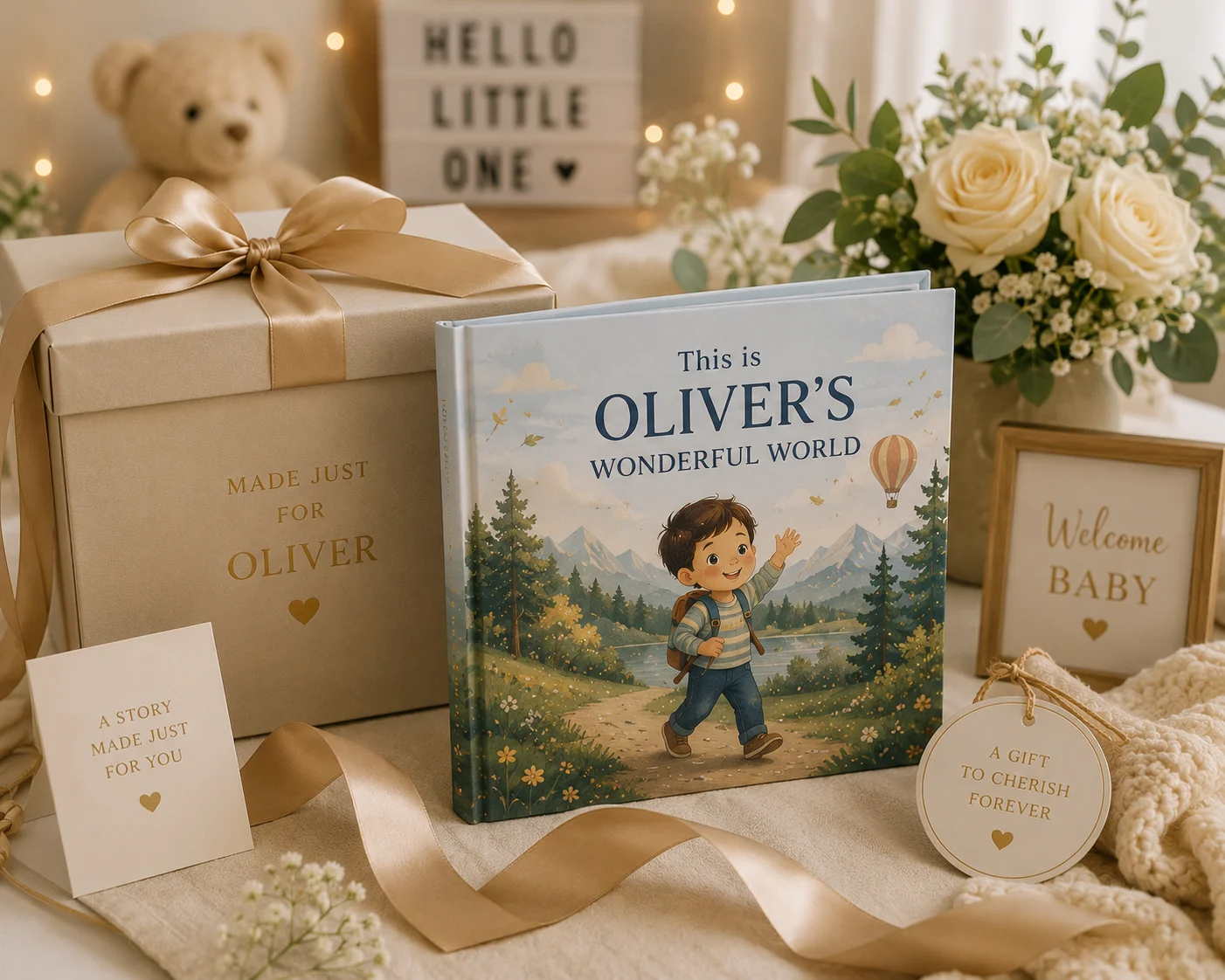
Personalized Wizard Books For Kids. Choose a wizard book with a coherent magical problem, consistent child hero, clear age-fit tone and a full personalized preview. Stattner currently lists The Wobbly Wand in its fantasy collection.
Good magic has limits and consequences
Children do not need a complicated fantasy system, but the story should give magic a purpose. A wand that solves everything instantly removes tension. A spell that goes wrong, requires patience or helps the hero learn something gives the child a reason to care about what happens next.
Stattner’s current catalog lists The Wobbly Wand in its Once Upon a Time collection.1
Personalization should change the reading experience, not just the cover
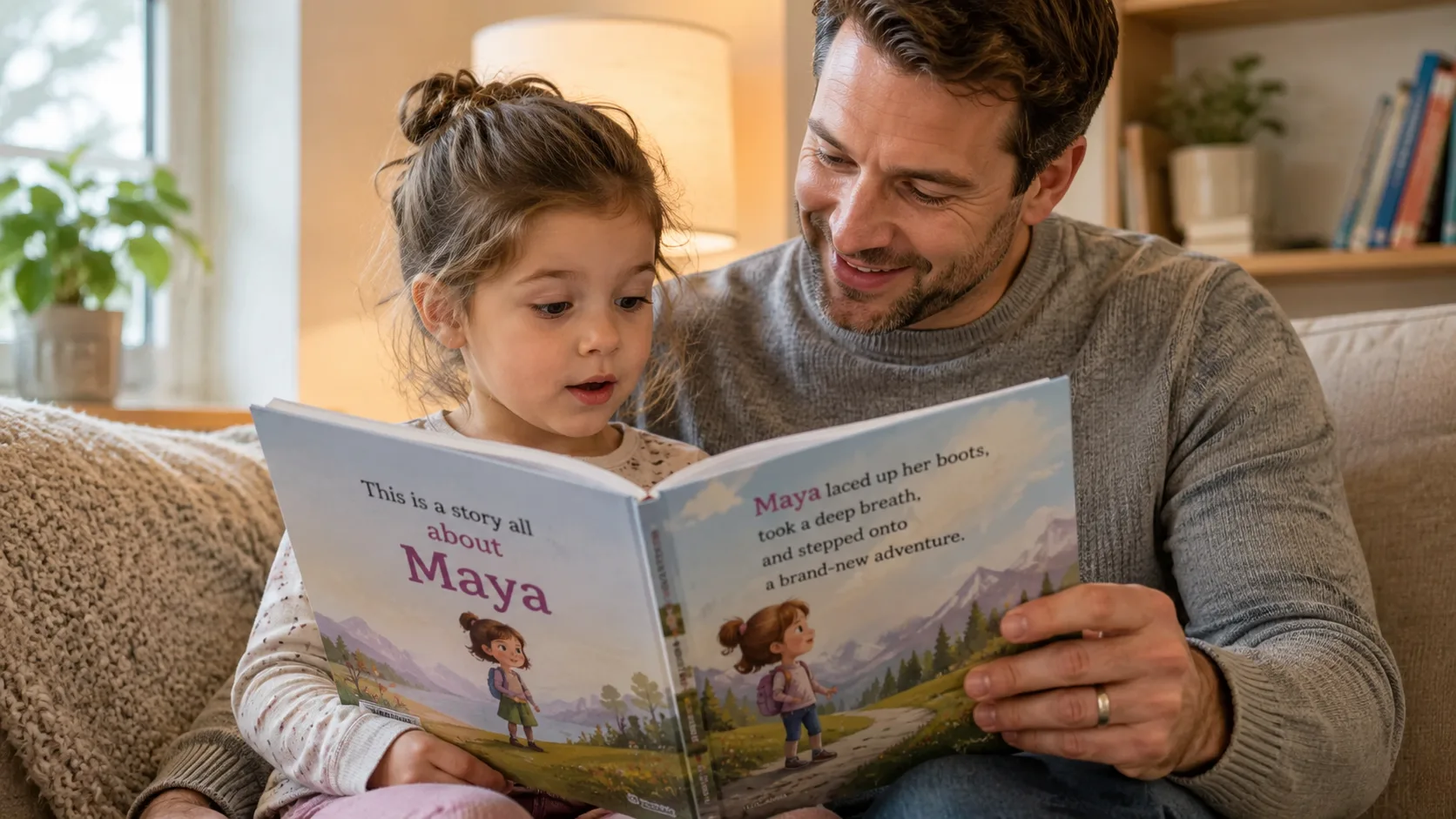
Small studies of personalized picture books suggest that personalization can affect how children respond during shared reading. One study of 35 preschool children reported more spontaneous speech and self-referencing in personalized sections than in non-personalized sections.3 That is promising evidence, but it does not mean every personalized book automatically improves language, confidence or reading skill.
Spells create problems, choices or solutions that move the story.
Why it matters: The fantasy mechanics support a narrative rather than a slideshow.
The child’s face, name and visual identity remain recognizable throughout.
Why it matters: The hero stays emotionally believable.
The book explains only the magical details needed for the current scene.
Why it matters: Young readers are not buried in lore or invented terminology.
Check whether the book is playful fantasy or intense fantasy
“Wizard” can mean a silly wand accident, a cozy school story or a darker battle. The keyword tells you almost nothing about tone. Preview the expressions, environments and conflict. For younger readers, a playful magical mistake is often easier to reread than a high-stakes confrontation.
Use the full preview as a quality-control step
Stattner describes a workflow in which families choose a story, personalize the child and preview the finished result before ordering.2 Use that preview actively: check spelling, face consistency, hands and clothing, page order, text density and whether the plot remains coherent from spread to spread.
| Check | Good sign | Watch out for |
|---|---|---|
| Magic | Good Spells affect the plot in understandable ways. | Effects appear randomly with no story consequence. |
| Worldbuilding | Good Only necessary rules are explained. | Long fantasy exposition slows every page. |
| Tone | Good Wonder and manageable tension dominate. | Dark villains or peril are stronger than expected. |
Keep the educational promise narrow and factual
The American Academy of Pediatrics supports shared reading from infancy and emphasizes developmentally appropriate, language-rich interaction around books.4 That supports reading together; it does not justify turning every themed personalized story into a claim about guaranteed learning, therapy or behavior change. The honest promise is a personal story, a shared reading moment and a physical keepsake.
The Wobbly Wand
For a child who wants wand-and-spell fantasy, browse Stattner’s current catalog and start with The Wobbly Wand, then inspect the full personalized preview before printing.
Browse personalized storybooks →A magical personalized book works when the child remembers what they did with the wand—not merely that a wand was there.