Personalized Travel Books for Kids: Storybook, Journal or Trip Gift?
Compare personalized travel storybooks, kids travel journals and destination activity books by purpose, age fit, personalization, preview and gift timing.

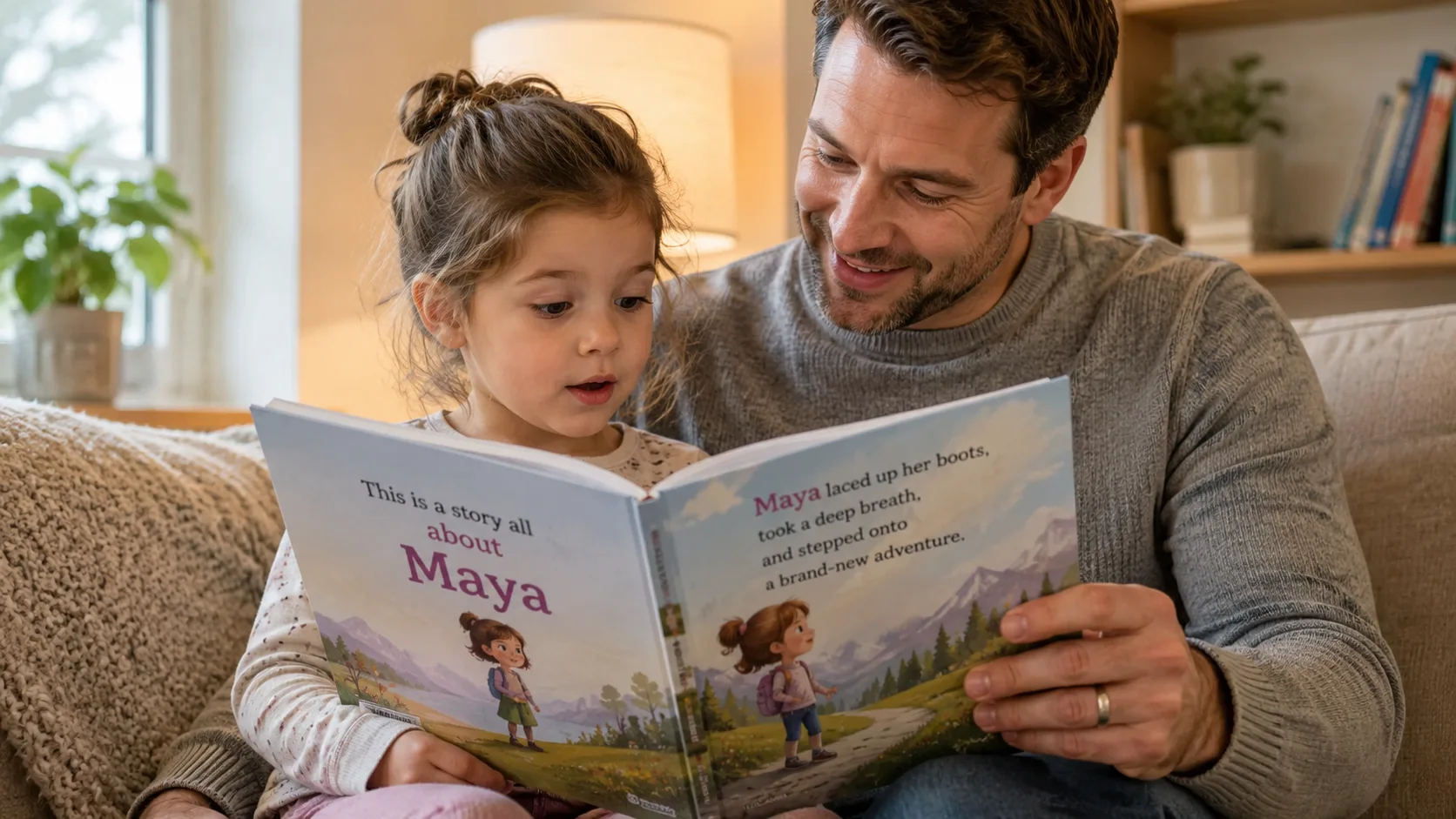
Travel-book searches mix together three products that look similar in thumbnails but behave differently in a family’s hands. A storybook can build anticipation. A journal documents what actually happened. An activity book fills airport or road-trip time.
The best purchase starts by matching the book to before, during or after the trip.
Personalized Travel Books for Kids. Choose the format first. A personalized storybook is for imaginative reading; a travel journal is for recording a real trip; an activity book is for keeping a child engaged on the journey. Stattner’s current fit is the storybook category.
Pick the moment: before, during or after
Before travel, a storybook can turn unfamiliar places into imaginative conversation. During travel, a compact journal or activity book is more practical. After travel, a photo or memory book preserves the real experience. Personalized does not automatically mean the same format.
Stattner’s current The Amazing World Trip is a fictional travel story in which the personalized explorer visits multiple places and meets people along the way.1 It is best judged as an imaginative world-trip story, not as a destination-specific guidebook.
Do not confuse fictional travel with factual destination guidance
If you need airport procedures, local laws, maps or safety information, use current official sources. A children’s story can introduce curiosity about places, but it should not be treated as a live travel guide.
Use personalization to start place-based conversation
A personalized hero gives adults easy prompts: “What would you pack?” “Which place would you visit?” “What do you notice in this picture?” The AAP emphasizes conversation-rich shared reading as part of early literacy promotion.2 Personalized-book research also suggests self-relevant sections can prompt more spontaneous talk.3
Best for imaginative trips, world curiosity and a child-as-explorer gift.
Why it matters: It is designed to be read repeatedly.
Best when the child will write, draw, collect tickets or record real experiences.
Why it matters: The value grows from the real trip.
Best for puzzles, drawing and quiet travel time.
Why it matters: It solves boredom more than storytelling.
Check representation and geography carefully
World-travel stories can compress cultures into a few pages. Review the preview for stereotypes, inaccurate landmarks or imagery that treats a place as a costume. A child-centered story can be playful without pretending to teach an entire culture in one spread.
Plan personalized print orders before departure
If the book is a pre-trip gift, leave time to preview and print. Use the current production and delivery estimate at checkout. Do not rely on a static article for a date-sensitive shipping promise.
| Check | Good sign | Watch out for |
|---|---|---|
| Purpose | Good You know whether the book is for imagining, recording or activities. | Buying a storybook when you needed a journal. |
| Place claims | Good The story is clearly presented as fiction. | Using fictional scenes as travel guidance. |
| Preview | Good You can inspect cultural imagery and the child’s likeness. | Ordering without seeing the personalized output. |
The Amazing World Trip
For imaginative travel rather than journaling, Stattner currently offers The Amazing World Trip. Personalize the explorer and review the full story before print.
Browse personalized storybooks →The right travel book knows when it belongs in the journey: before it, during it, or after it.
References
Selected research and first-party sources used for factual claims.
- Stattner. The Amazing World Trip. Current first-party product page for Stattner’s travel-themed personalized story. Verify source ↗
- American Academy of Pediatrics (2024). Literacy Promotion: An Essential Component of Primary Care Pediatric Practice: Policy Statement. AAP recommends shared reading beginning at birth and continuing at least through kindergarten, with developmentally appropriate, language-rich interaction. Verify source ↗
- Kucirkova, N., Messer, D., & Sheehy, K. (2014). The effects of personalisation on young children’s spontaneous speech during shared book reading. Journal of Pragmatics, 71, 45–55. Study of 35 preschool children found more spontaneous speech and self-referencing in personalized than non-personalized sections. Verify source ↗
Personalized Travel Books for Kids: Storybook, Journal or Trip Gift?: FAQ
What is the difference between a travel storybook and a travel journal?
A storybook is read as a narrative; a journal is filled with the child’s real trip memories, notes or drawings.
Does Stattner have a travel book?
Yes. The Amazing World Trip is currently listed in Stattner’s Worlds to Explore collection.
Can a personalized travel story replace a guidebook?
No. Use current official travel sources for factual destination, transport and safety information.
When should I give a travel storybook?
It works especially well before a trip or as an imaginative gift even when no real trip is planned.
What should I check in the preview?
Inspect the child’s likeness, page continuity, place imagery and whether the story avoids obvious stereotypes or factual overclaims.