
For a child who loves rockets, planets and the night sky, personalization can turn “an astronaut” into “me.” That is a strong emotional hook, but the story still needs direction, readable pacing and enough scientific honesty to avoid mixing basic facts with accidental errors.
For this guide, the standard is simple: separate what the product can genuinely offer from claims that sound impressive but are not supported. Stattner’s current catalog and personalization flow were checked against its live first-party pages.12
Personalized Space Books For Kids: A strong personalized space book gives the child a clear mission, uses real astronomy carefully when it makes factual claims, keeps fantasy labeled as fantasy and lets you preview every page before printing.
Give the child a mission, not just a spacesuit
A rocket launch is exciting, but it is not a plot. Look for a goal: fix a strange problem, navigate somewhere, discover something or help another character. Stattner’s current catalog includes Junior Moon Coder and The Time-traveling Watch among tech- and science-fiction-friendly choices.1
Keep basic astronomy straight
NASA lists eight planets in our solar system: Mercury, Venus, Earth, Mars, Jupiter, Saturn, Uranus and Neptune.3 A fictional book can invent glitches, portals or talking stars, but when it says something is a real fact, it should not teach basic astronomy incorrectly.
A personalized hero should remain recognizable from page to page
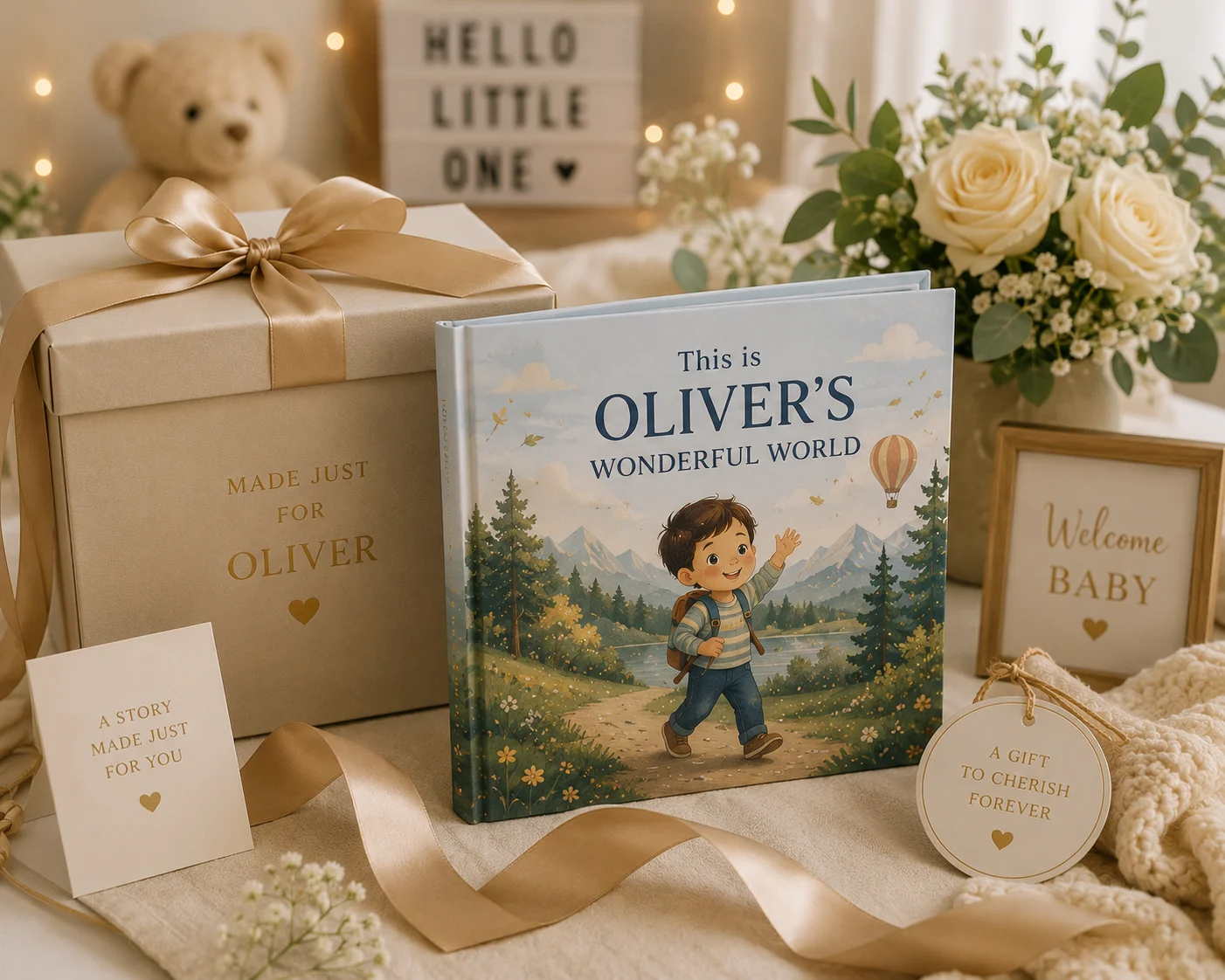
Stattner says the child’s name and appearance are personalized and the complete generated book can be previewed before ordering.2 Use that preview to check facial consistency, helmet scenes, hand details, page order and whether the child remains visually identifiable in darker or more stylized space environments.
Let the book spark questions instead of pretending to answer all of them
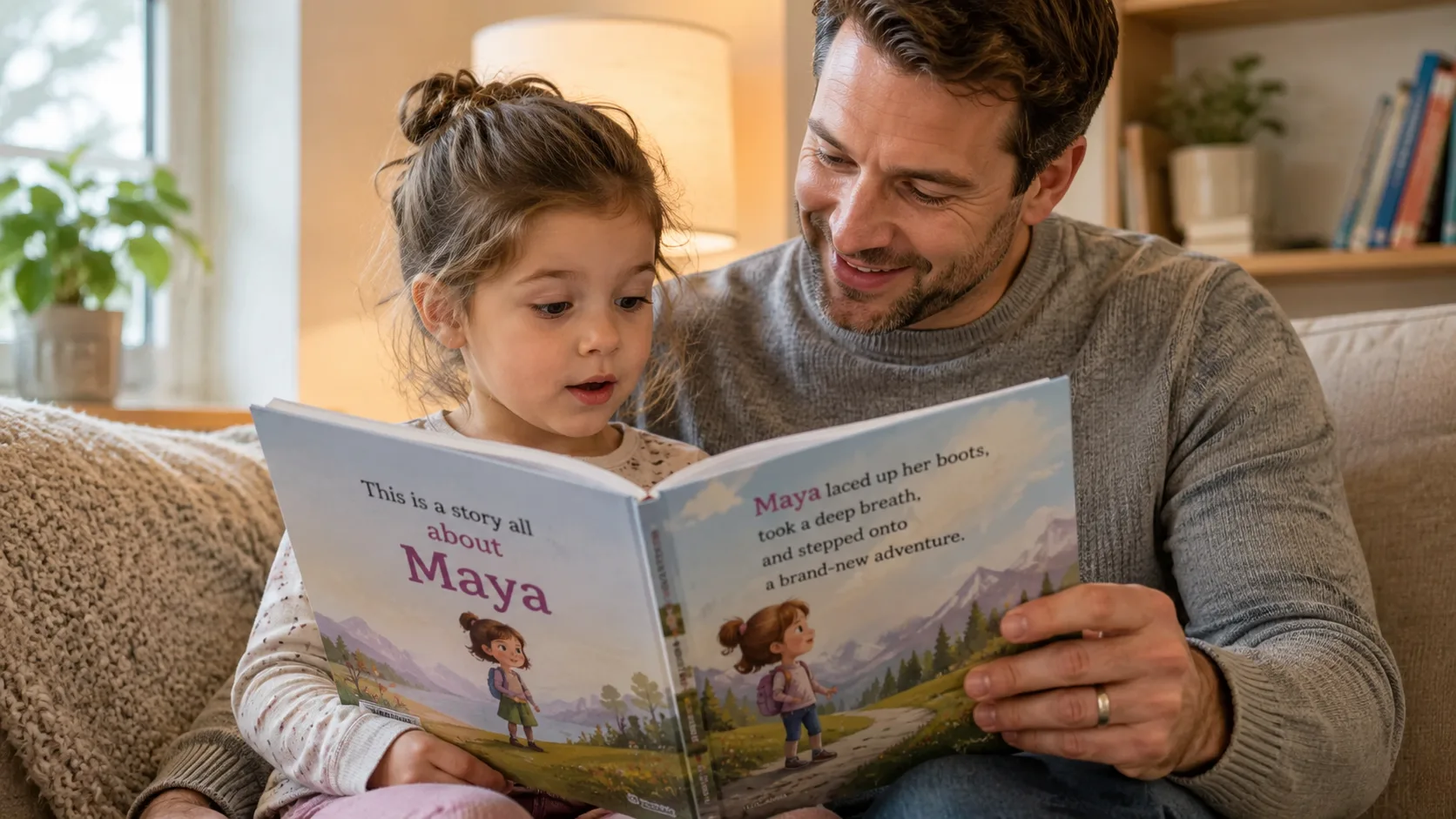
Shared reading is valuable partly because it creates conversation. The AAP recommends language-rich, interactive reading beginning in infancy and continuing through early childhood.4 If the story makes your child ask why Saturn has rings or what an orbit is, that question is a success—even if the story itself is not a science textbook.
A three-part buying check
The child needs a goal beyond simply visiting planets.
Why it matters: This is one of the fastest ways to separate a strong fit from a visually impressive but weaker book.
Real claims should agree with trusted astronomy sources.
Why it matters: This is one of the fastest ways to separate a strong fit from a visually impressive but weaker book.
Space lighting and costumes make consistency checks especially useful.
Why it matters: This is one of the fastest ways to separate a strong fit from a visually impressive but weaker book.
Any learning, reading or confidence claim should be judged against the cited evidence. These buyer guides do not treat personalization as a guaranteed developmental outcome.
Put a curious child at the center of the mission
Browse Stattner’s live story collection and preview the complete personalized result before choosing a space- or technology-flavored adventure.
Browse personalized storybooks →The best personalized book is not the one with the most customization. It is the one the child recognizes, understands and wants to open again.