Personalized Music Books for Kids: How to Choose for a Young Music Lover
Choose a personalized music book by story type, instrument fit, child likeness, age level, preview quality and realistic claims about music learning.

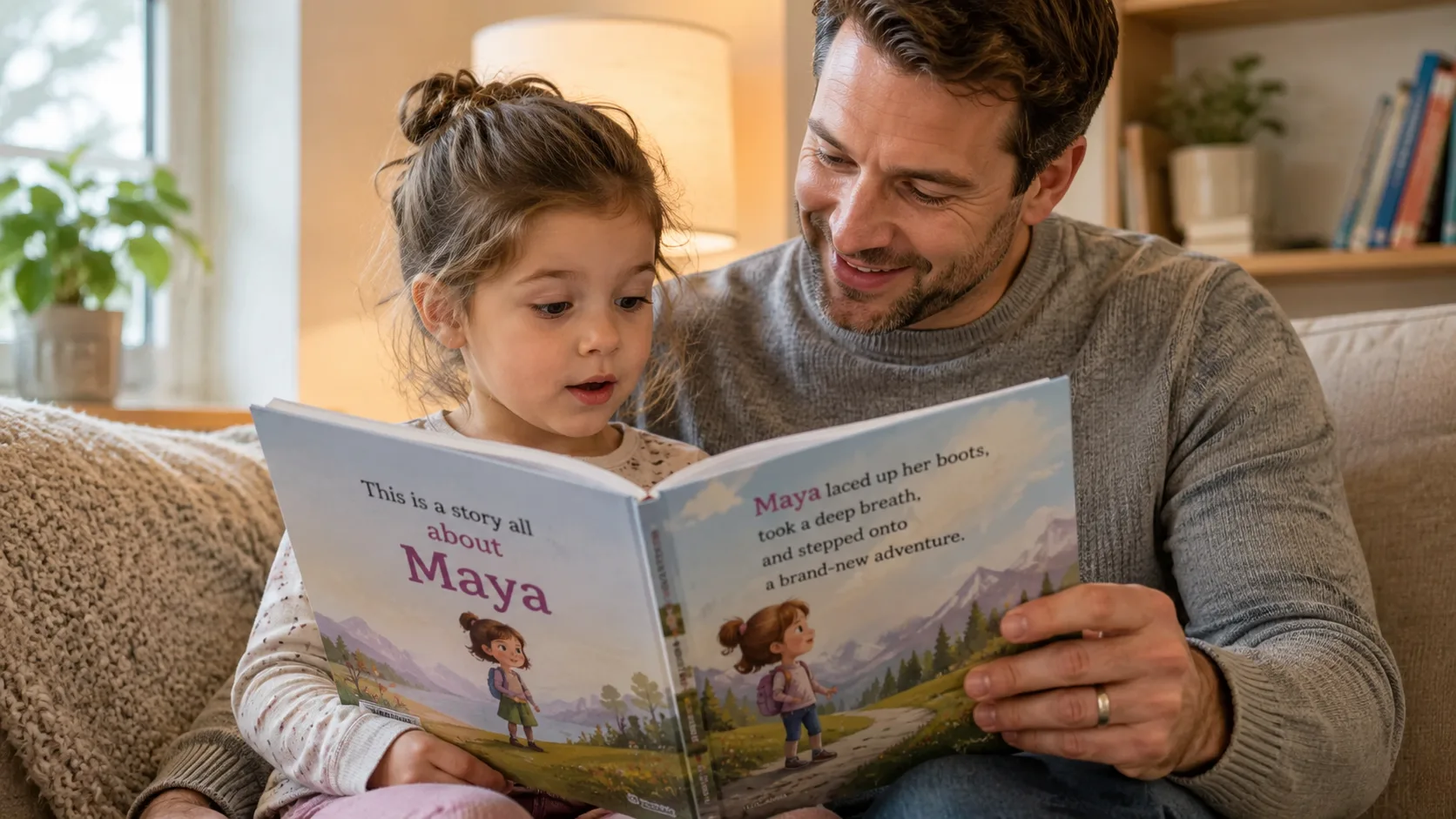
“Music kid” can mean many things. One child sings constantly, another is learning piano, another drums on every surface, and another simply loves songs in the car. A personalized music book converts best when it reflects that actual behavior instead of forcing every child into a recital narrative.
The story should feel recognizable before it feels aspirational.
Personalized Music Books for Kids. Start with the child’s relationship to music: listener, singer, beginner instrumentalist or performance-loving kid. Then choose a story, not a promise that reading about music will make them a better musician.
Choose listening, making or performing
Music stories usually fall into three useful buckets: discovering sounds, making music, or preparing to share music with others. Decide which one fits the child. The wrong match can make the personalization feel generic even when the face is accurate.
Stattner’s current catalog includes The Hidden Melody in the Things I Love collection.1 Because the live catalog is the source of truth, check its current preview rather than assuming an instrument or skill level from the title.
Do not turn music into an intelligence claim
A music-themed book can support vocabulary, conversation and imaginative play, but it should not promise higher IQ, perfect pitch or accelerated instrument learning. The strongest evidence here is about shared reading itself: the AAP recommends frequent, developmentally appropriate, interactive reading with young children.2
Personal relevance can change the conversation
In personalized-book research with preschool children, personalization was associated with more spontaneous speech and self-referencing during shared reading.3 That supports a modest, useful goal: a music story can give adults and children more things to talk about together.
Listener, singer, dancer, beginner player and performer are different story roles.
Why it matters: The role should resemble the child’s real experience.
Rhythm words, repetition and short musical phrases can make the book enjoyable aloud.
Why it matters: A music theme should be felt in the language, not only seen in the art.
Check instrument shape, hand position, clothing and face consistency.
Why it matters: Music illustrations often repeat complex props across pages.
If the child plays an instrument, verify what is actually customizable
Do not assume the book can insert a violin, piano, guitar or teacher just because the theme is music. Use the live customization fields and preview. If the exact instrument is essential and unsupported, choose a different product.
Choose gift timing around the child, not the calendar
Music books can work for birthdays, first lessons, recitals or “just because.” For a child under performance pressure, a story about enjoyment and curiosity may be a better fit than a book that centers on a big stage moment.
The Hidden Melody
For a child whose strongest interest is music, Stattner currently lists The Hidden Melody. Review the live story preview to confirm the tone and details before personalizing.
Browse personalized storybooks →A personalized music book should sound like the child’s world—even when nobody on the page is playing a note.
References
Selected research and first-party sources used for factual claims.
- Stattner. All Personalized Storybooks. Current first-party catalog used to verify live story titles and collections. Verify source ↗
- American Academy of Pediatrics (2024). Literacy Promotion: An Essential Component of Primary Care Pediatric Practice: Policy Statement. AAP recommends shared reading beginning at birth and continuing at least through kindergarten, with developmentally appropriate, language-rich interaction. Verify source ↗
- Kucirkova, N., Messer, D., & Sheehy, K. (2014). The effects of personalisation on young children’s spontaneous speech during shared book reading. Journal of Pragmatics, 71, 45–55. Study of 35 preschool children found more spontaneous speech and self-referencing in personalized than non-personalized sections. Verify source ↗
Personalized Music Books for Kids: How to Choose for a Young Music Lover: FAQ
What kind of child is a personalized music book for?
It can suit listeners, singers, dancers, beginner instrumentalists or children who simply love musical play.
Does Stattner have a music-themed book?
Yes. The Hidden Melody is currently listed in Stattner’s Things I Love collection.
Will a music story make my child better at an instrument?
No book can guarantee musical skill. Treat it as a story and shared-reading experience, not instruction.
Can I choose a specific instrument?
Only if the live personalization flow explicitly supports it. Verify before purchase rather than assuming.
What should I check in the preview?
Look for a coherent plot, consistent child likeness, stable instrument artwork and language that is enjoyable to read aloud.