
Fantasy can be the perfect personalized-book genre because it gives the child permission to become someone impossible for a night: a spell-maker, royal problem-solver, sky traveler or brave explorer. The trick is choosing a story that feels magical without becoming random.
For this guide, the standard is simple: separate what the product can genuinely offer from claims that sound impressive but are not supported. Stattner’s current catalog and personalization flow were checked against its live first-party pages.12
Personalized Fantasy Books For Kids: Look for a fantasy story with a clear world, understandable magical rules, a child who makes meaningful choices, reassuring age-fit stakes and a complete preview. Stattner currently lists fantasy-friendly titles including The Wobbly Wand, The Royal Secret and The Cloud Kingdom.
Good fantasy has rules—even when the rules are impossible
A wand can wobble, a kingdom can float and a secret door can appear where no door should be. What matters is internal consistency. If magic solves every problem without effort, the child has little to do. If the hero learns how the world works and uses that knowledge, the fantasy becomes a story rather than decoration.
The child should have agency inside the magical world
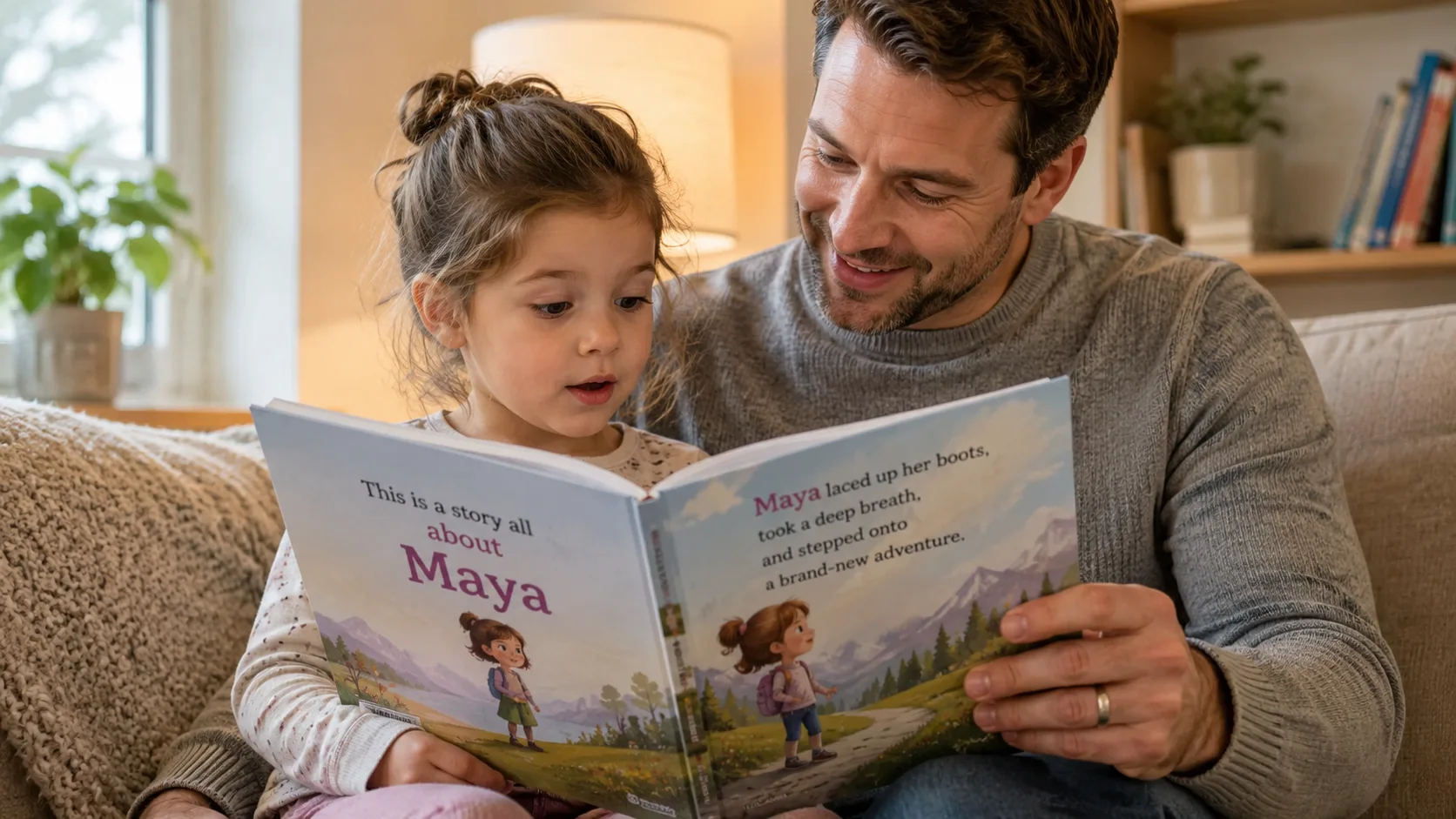
Personalization is strongest when the child’s role changes what happens. A small study of 35 preschoolers found more spontaneous speech and self-referencing in personalized than non-personalized book sections.3 That finding is limited in scale, but it supports a useful buying question: does the personalization feel integrated, or is the child merely pasted into a fixed scene?
Match wonder to the child’s tolerance for suspense
Fantasy does not require frightening villains or high danger. For a child who loves cozy magic, choose discovery, humor and gentle problems. For a child who wants bigger adventure, choose stronger obstacles while keeping the ending emotionally safe. Previewing is the best way to judge the actual tone.
Do not turn fantasy into a fake learning claim
Shared reading is valuable in its own right. The AAP recommends frequent, developmentally appropriate shared reading and conversation around books.4 That is enough reason to read together. A fantasy book does not need unsupported claims about intelligence, creativity or confidence to be worth buying.
A three-part buying check
The setting should have understandable rules and a clear mood.
Why it matters: This is one of the fastest ways to separate a strong fit from a visually impressive but weaker book.
The child’s choices should matter to the outcome.
Why it matters: This is one of the fastest ways to separate a strong fit from a visually impressive but weaker book.
Magic can be exciting without being scary or chaotic.
Why it matters: This is one of the fastest ways to separate a strong fit from a visually impressive but weaker book.
Any learning, reading or confidence claim should be judged against the cited evidence. These buyer guides do not treat personalization as a guaranteed developmental outcome.
Find a magical world that fits your child
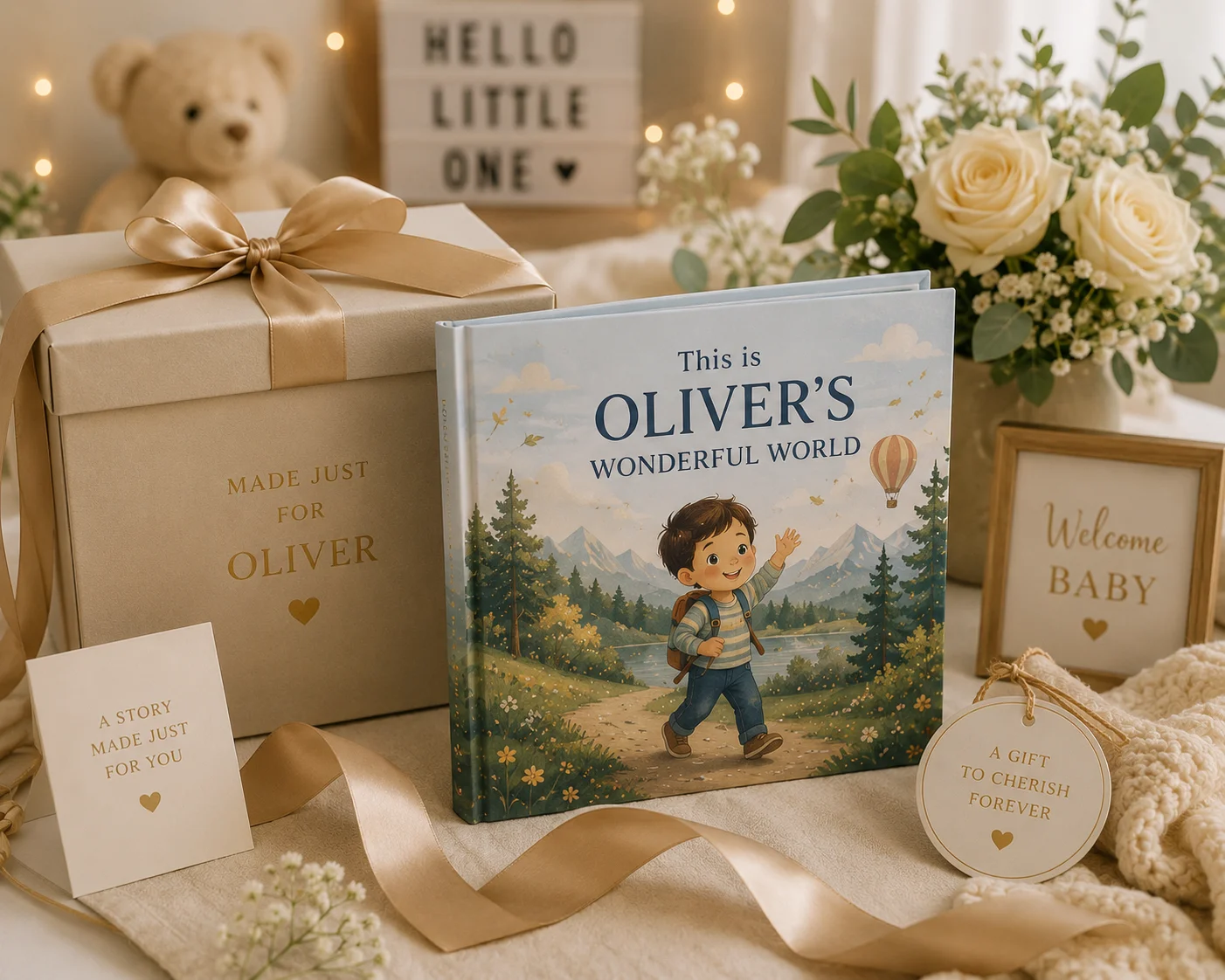
Browse Stattner’s current fantasy-friendly stories and use the complete preview to compare tone, role and story flow before printing.
Browse personalized storybooks →The best personalized book is not the one with the most customization. It is the one the child recognizes, understands and wants to open again.