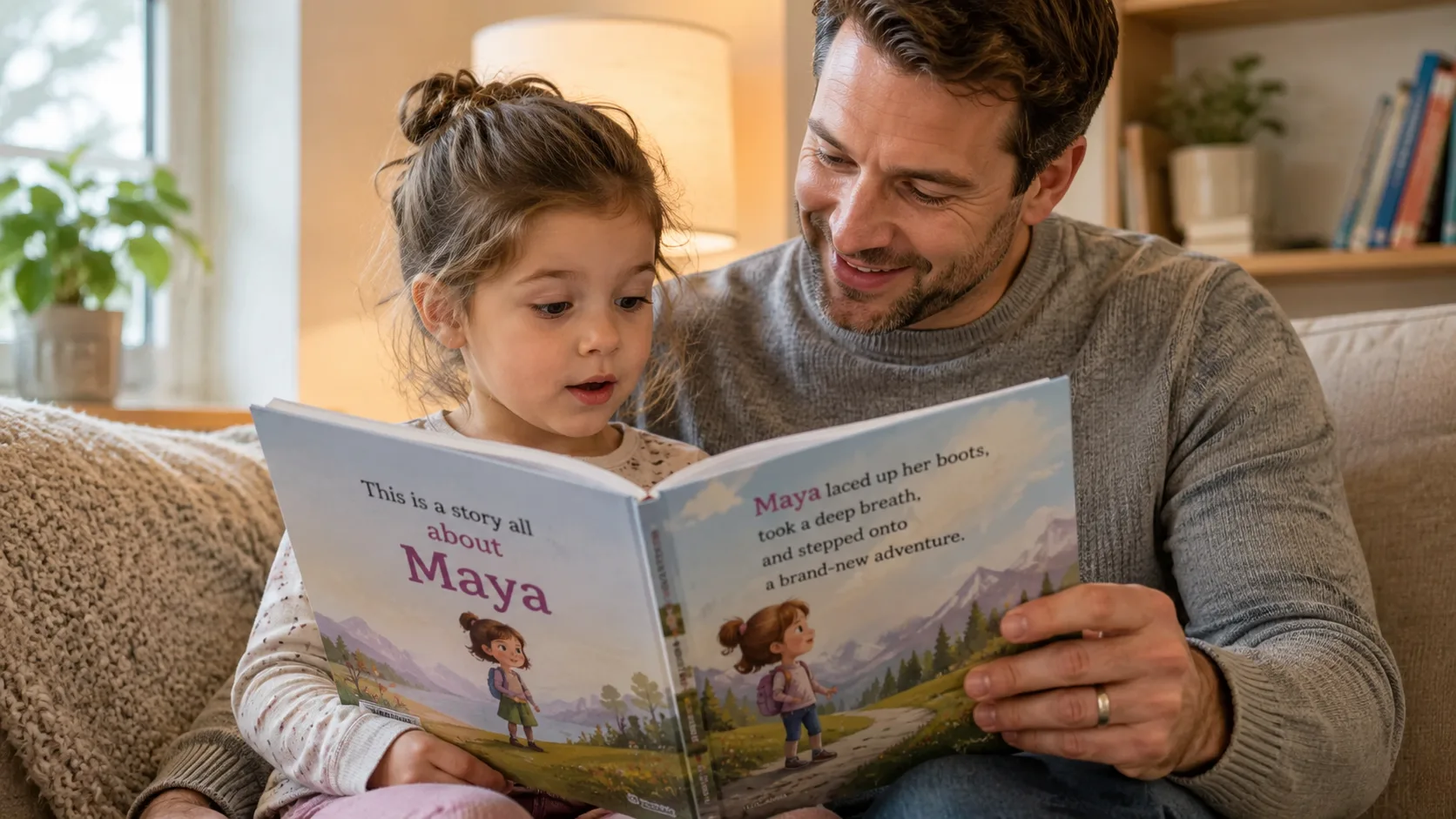
A personalized educational book should have a specific purpose. Letters, weather, history, coding ideas and vocabulary are very different goals, and no single story can honestly promise to teach everything at once.
For this guide, the standard is simple: separate what the product can genuinely offer from claims that sound impressive but are not supported. Stattner’s current catalog and personalization flow were checked against its live first-party pages.12
Personalized Educational Books For Kids: Choose a personalized educational book with one clear learning goal, trustworthy facts, developmentally appropriate language and a story the child will actually follow. Treat it as a supplement to conversation and instruction—not a replacement for teaching.
Demand a specific learning goal
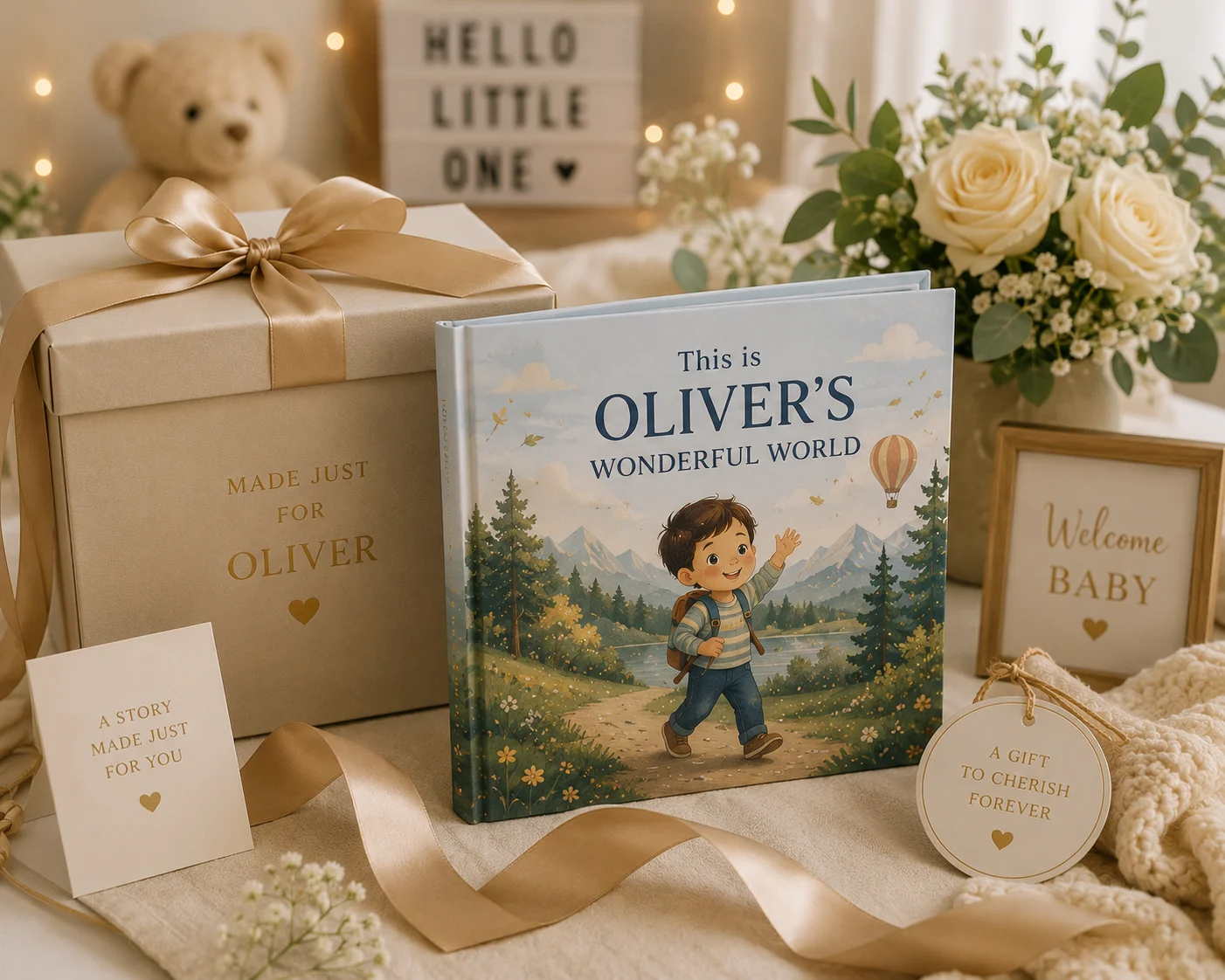
“Educational” should be replaceable with a concrete phrase: introduces alphabet concepts, sparks weather questions, explores an historical setting, or uses a coding-themed story. Stattner currently groups Alphabet Fun Day, The Weather Adventure, Goodnight, Little Hero and Piece by Piece under its Educational collection, and also lists learning-adjacent stories such as Junior Moon Coder and Mysteries of Egypt.1
Accuracy matters more when the book uses real-world facts
A magical story can invent its own rules. A book about weather, planets, history or coding should separate fantasy from factual explanation. For foundational reading itself, the U.S. Institute of Education Sciences publishes evidence-based K–3 guidance that includes academic language, vocabulary and systematic foundational skills.5 One personalized story should not be marketed as replacing those broader instructional needs.
Personalization may change attention, but evidence is still small
In one study of 18 preschool children, target words appearing in personalized sections were learned better at later testing points than words in non-personalized sections.4 The study is interesting but small. It does not justify saying every personalized educational book will improve school performance.
The best educational book still needs to work as a book
If the child does not want to finish the story, the label on the product page does not matter much. Look for readable pages, clear illustrations, a beginning-middle-ending structure and room to ask questions. The AAP emphasizes developmentally appropriate, language-rich interaction around books—not passive exposure to information.3
A three-part buying check
Know exactly what concept the book is meant to introduce.
Why it matters: This is one of the fastest ways to separate a strong fit from a visually impressive but weaker book.
Check real-world facts when the topic is science, history or technology.
Why it matters: This is one of the fastest ways to separate a strong fit from a visually impressive but weaker book.
Learning content should not destroy pacing, clarity or reread value.
Why it matters: This is one of the fastest ways to separate a strong fit from a visually impressive but weaker book.
Any learning, reading or confidence claim should be judged against the cited evidence. These buyer guides do not treat personalization as a guaranteed developmental outcome.
Browse learning-led stories without overpromising
Stattner’s catalog includes alphabet, weather, coding and history-themed stories. Use the preview to judge the actual content rather than relying on the word “educational.”
Browse personalized storybooks →The best personalized book is not the one with the most customization. It is the one the child recognizes, understands and wants to open again.