Personalized Books for Toddlers: short, sturdy and worth rereading
Toddlers do not need a complicated personalized story. They need pages they can follow, pictures they can inspect, language worth repeating, and an adult willing to read the favorite part again.

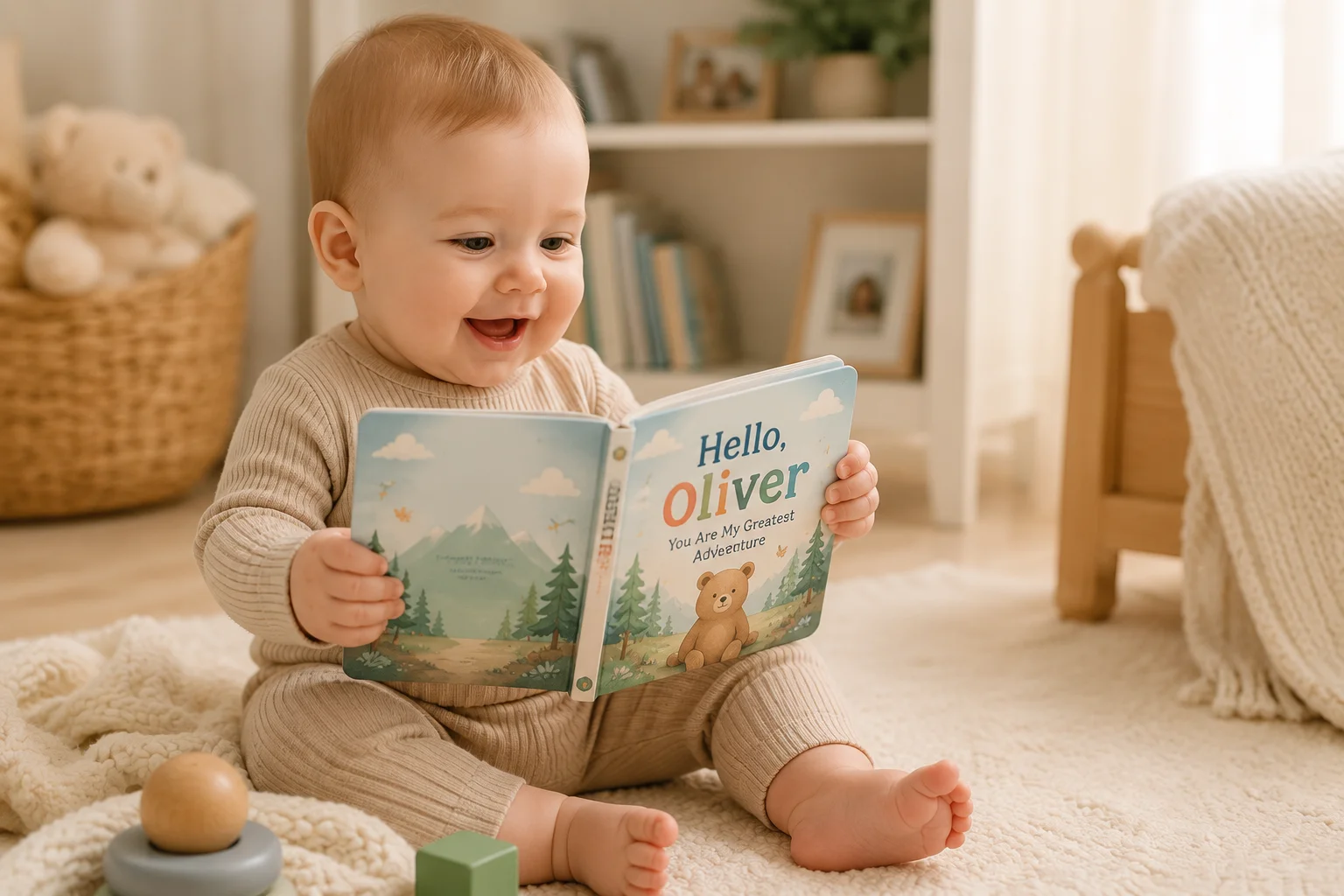
Toddlers do not need a complicated personalized story. They need pages they can follow, pictures they can inspect, language worth repeating, and an adult willing to read the favorite part again.
This guide is written for shoppers, but it separates product facts from research evidence. Where research is limited, we say so. Where a seller-specific feature is mentioned, verify the current product page before ordering.
Personalized Books for Toddlers: What to Look for Ages 1–3 For ages 1–3, choose a personalized book with clear illustrations, manageable text, repetition or predictable language, and personalization the toddler can recognize. Shared reading quality matters more than packing the book with educational claims.
What toddlers actually need from a picture book
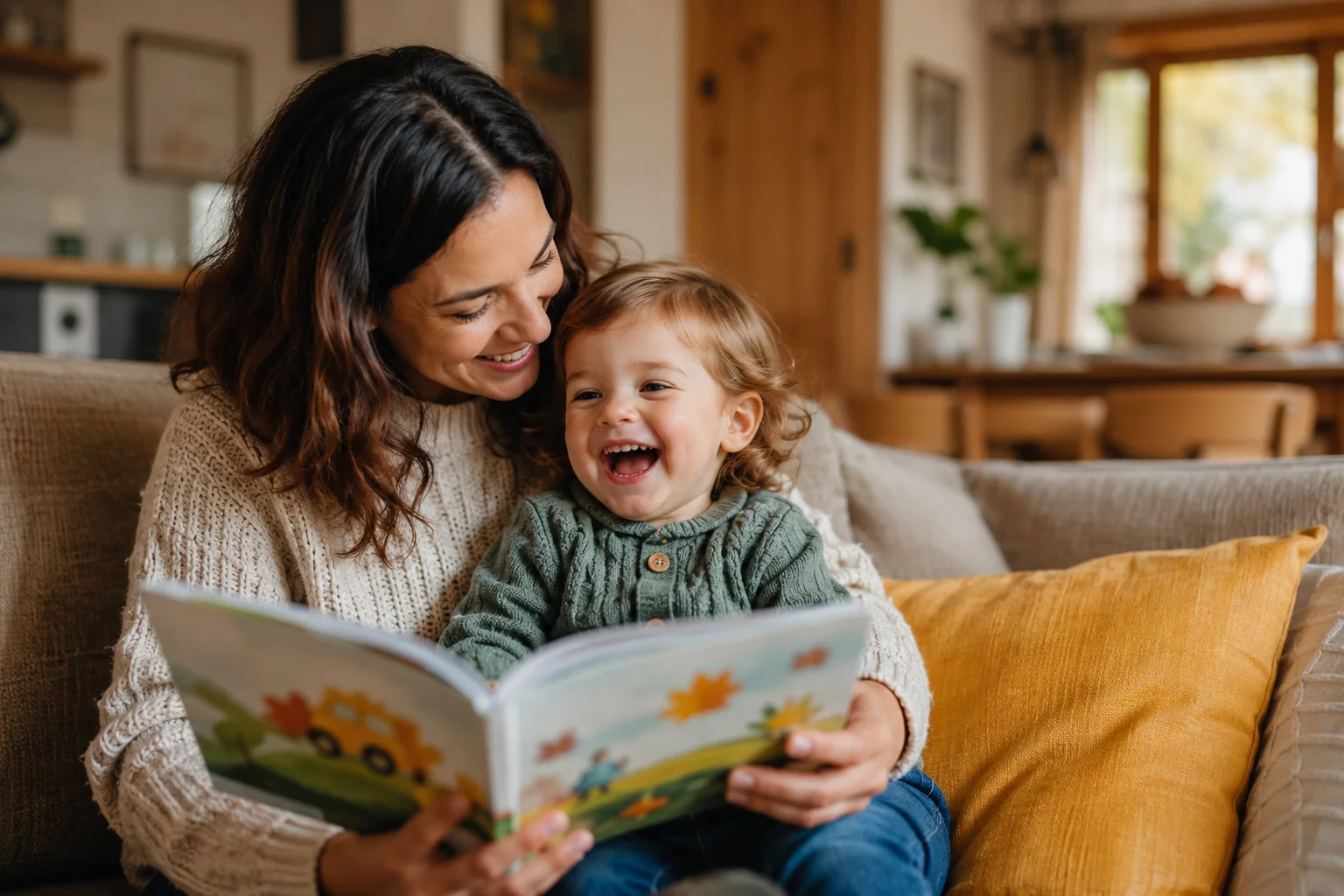
Toddlers are still learning how books work: how pages turn, how pictures connect to words, how stories move from one moment to the next, and how language can be repeated. A good book at this age gives the child something to point at, name, anticipate or imitate. It does not require long sitting or perfect attention.
The American Academy of Pediatrics recommends reading aloud beginning in infancy and emphasizes responsive, enjoyable interaction around books.1 A broad meta-analysis of shared picture-book interventions found small average effects on children’s expressive and receptive language and a larger effect on caregiver book-sharing competence.2
Why repetition and recognition matter
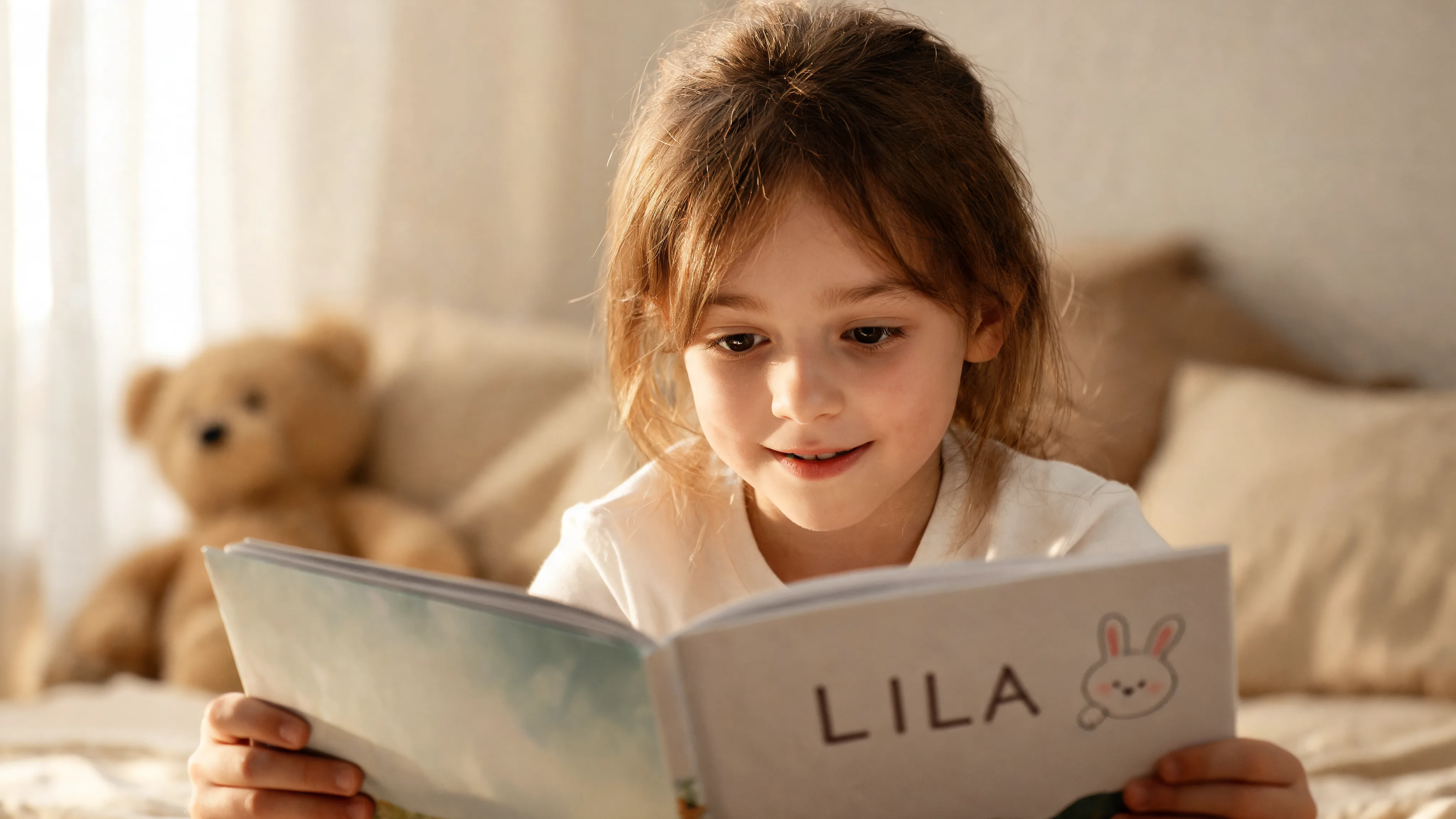
A toddler may ask for the same story repeatedly because familiarity lowers the effort required to follow it. Repetition creates opportunities to anticipate a phrase, find the same object, notice a detail or supply a word. A personalized character can add another familiar cue, especially when the child can recognize their own name or appearance.
A small 2014 study found stronger learning for target words embedded in personalized sections of a story than in non-personalized sections among 18 preschool children.3 The sample was small and slightly older than many toddlers, so treat this as promising evidence rather than a guarantee.
A toddler buying checklist
Before buying, check the sample pages. Is the text short enough to read without rushing? Are important characters visually easy to find? Can the child’s appearance be represented in a way that feels recognizable? Does the book invite pointing and conversation? Can you preview the customized version before paying? Those practical details matter more than a long feature list.
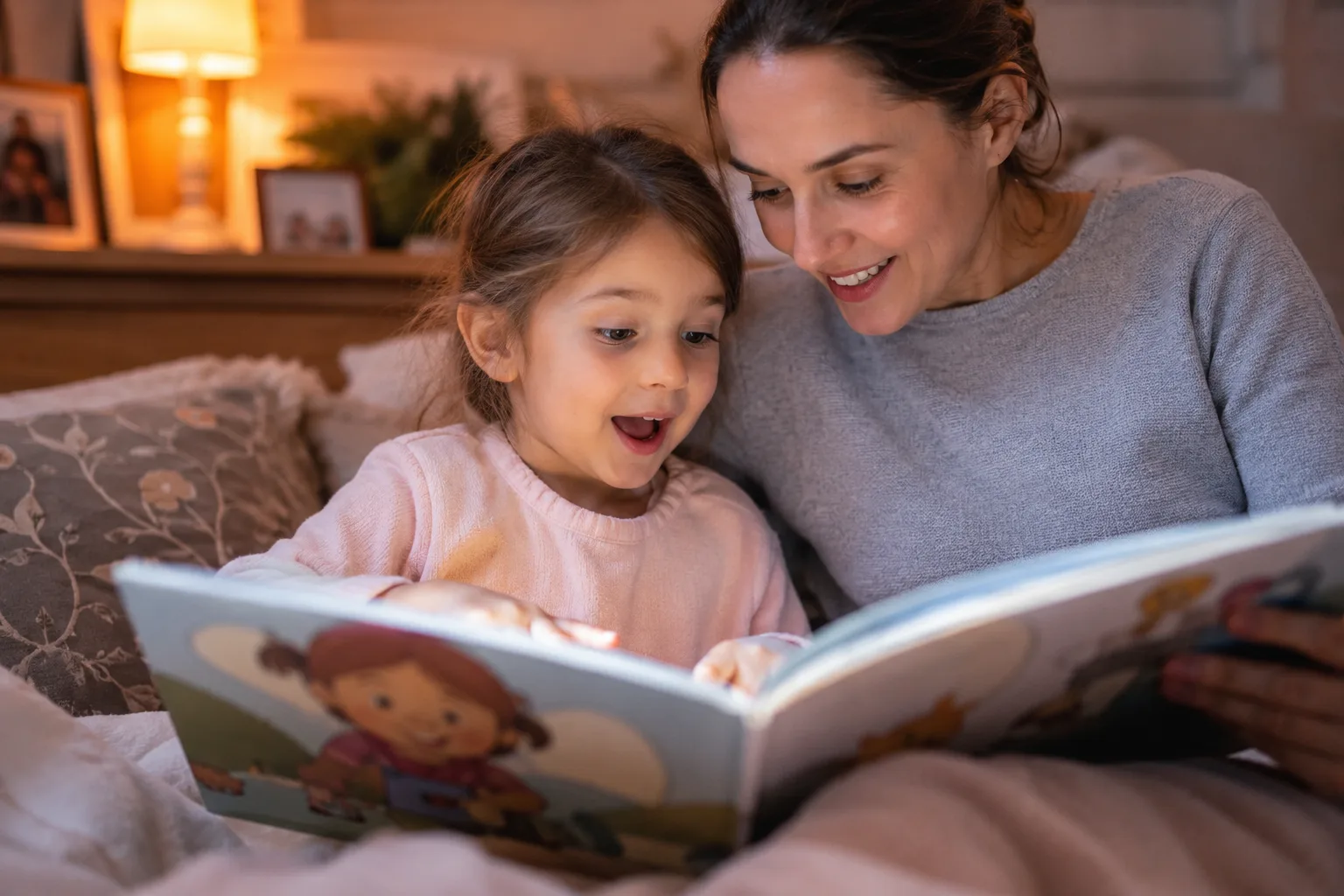
If the book is meant for bedtime, favor a calmer pacing. If it is a daytime activity, more humor, discovery and visual detail can work well. The goal is to match the story to the moment in which the family is most likely to use it.
How to read a personalized book with a toddler
Do not force a cover-to-cover reading. Let the toddler turn pages, return to an earlier picture, point, interrupt and rename what they see. Add one short comment to what the child says. If they say “dog,” you might answer, “Yes, the little brown dog is running.” That turns the book into a conversation instead of a test.
A personalized book can be useful because it gives the adult easy conversation starters: “That character has your name,” “What are you doing here?” or “Which part would you choose?” The value comes from the shared interaction, not simply from printing personal details.
Choose a story your toddler can grow into
Browse Stattner’s personalized printed storybooks, customize the child’s name and appearance, and preview the result before ordering.
See toddler-friendly story options →The best personalized book is the one that still works when the novelty wears off.
References
Selected research and first-party product sources used for factual claims.
- American Academy of Pediatrics (2024). Literacy Promotion: An Essential Component of Primary Care Pediatric Practice. Verify source ↗
- Dowdall, N., Melendez-Torres, G. J., Murray, L., Gardner, F., Hartford, L., & Cooper, P. J. (2020). Shared Picture Book Reading Interventions for Child Language Development: A Systematic Review and Meta-Analysis. Child Development, 91(2), e383–e399. DOI: 10.1111/cdev.13225. Verify source ↗
- Kucirkova, N., Messer, D., & Sheehy, K. (2014). Reading personalized books with preschool children enhances their word acquisition. First Language, 34(3), 227–243. DOI: 10.1177/0142723714534221. Verify source ↗
- Stattner. About Stattner / product information. Stattner describes its books as personalized printed storybooks in which the child's name and appearance are incorporated, with a full preview available before ordering. Verify source ↗
Personalized Books for Toddlers: What to Look for Ages 1–3: FAQ
What age are personalized toddler books for?
Toddler-focused books generally work best when the text, pictures and interaction suit ages roughly 1–3, but developmental fit matters more than the number on a product page.
Are personalized books good for a 2-year-old?
They can be, especially when the pages are visually clear, the text is short, and the adult reads interactively rather than expecting the child to sit silently.
Do toddlers understand that a book is personalized?
Recognition varies by age and child. Some toddlers notice their name, face, hair, clothing or familiar details before they understand the broader idea of personalization.
Should toddler books be educational?
They do not need to feel like lessons. Rich language, pointing, naming, conversation and enjoyable rereading are already meaningful learning opportunities.
Can I preview a personalized toddler book before ordering?
Stattner currently provides a personalized preview before purchase, which helps families check spelling, appearance and story fit.