
A personalized early-reader book should avoid two traps: being so easy that the story feels babyish, or so dense that the child gives up after two pages. The preview should tell you whether the balance is right for this specific reader.
For this guide, the standard is simple: separate what the product can genuinely offer from claims that sound impressive but are not supported. Stattner’s current catalog and personalization flow were checked against its live first-party pages.12
Personalized Books For Early Readers: For ages roughly 5–8, choose a personalized book with a real story arc, manageable text density, picture support and a child hero with genuine agency. Use the book for enjoyable reading; use explicit evidence-based instruction when the goal is teaching foundational reading skills.
Age is not the same thing as reading level
Children of the same age can decode very different texts. Instead of shopping only by birthday, look at words per page, sentence complexity, font size, picture support and whether the story can also work as a read-aloud if independent reading becomes tiring.
A bigger reader deserves a bigger role
Early elementary children can follow longer cause-and-effect chains than a typical toddler story. Give them clues to connect, choices to evaluate, problems to solve and consequences that make sense. Personalized adventure, mystery, science-fiction and world-exploration stories can work well when the plot respects the reader.
Reading instruction is more than motivation
The Institute of Education Sciences’ K–3 practice guide covers foundational reading skills and academic language, including vocabulary, as part of evidence-based instruction.4 A personalized book may motivate practice, but it should not be advertised as a replacement for systematic instruction when a child is learning to read.
Use personalization as an invitation, not a shortcut
A small preschool study found more spontaneous speech and self-referencing in personalized book sections.3 That does not prove the same effect for every 5–8-year-old, but it supports a reasonable buying idea: seeing oneself in the story can make the book feel personally relevant. The story still has to be good.
Preview for independence and read-aloud value
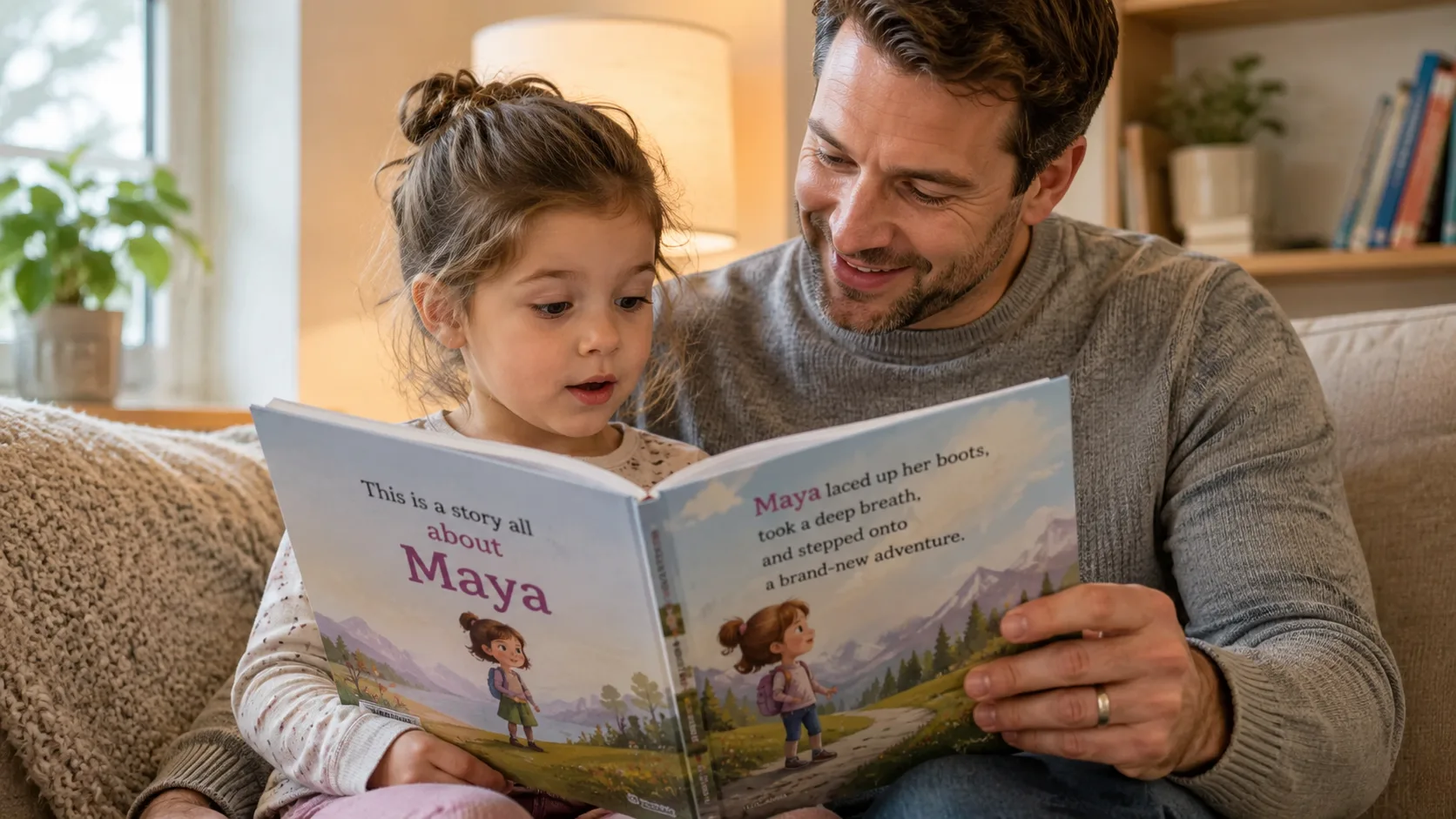
Stattner says the complete personalized book can be previewed before ordering.2 Have the child read a short section if appropriate, then read another aloud. A good fit can support both independent attempts and shared reading.
A three-part buying check
Judge the actual preview, not an age label alone.
Why it matters: This is one of the fastest ways to separate a strong fit from a visually impressive but weaker book.
Older picture-book readers need meaningful choices and consequences.
Why it matters: This is one of the fastest ways to separate a strong fit from a visually impressive but weaker book.
The best fit can work for independent attempts and shared reading.
Why it matters: This is one of the fastest ways to separate a strong fit from a visually impressive but weaker book.
Any learning, reading or confidence claim should be judged against the cited evidence. These buyer guides do not treat personalization as a guaranteed developmental outcome.
Match the story to the reader, not just the birthday
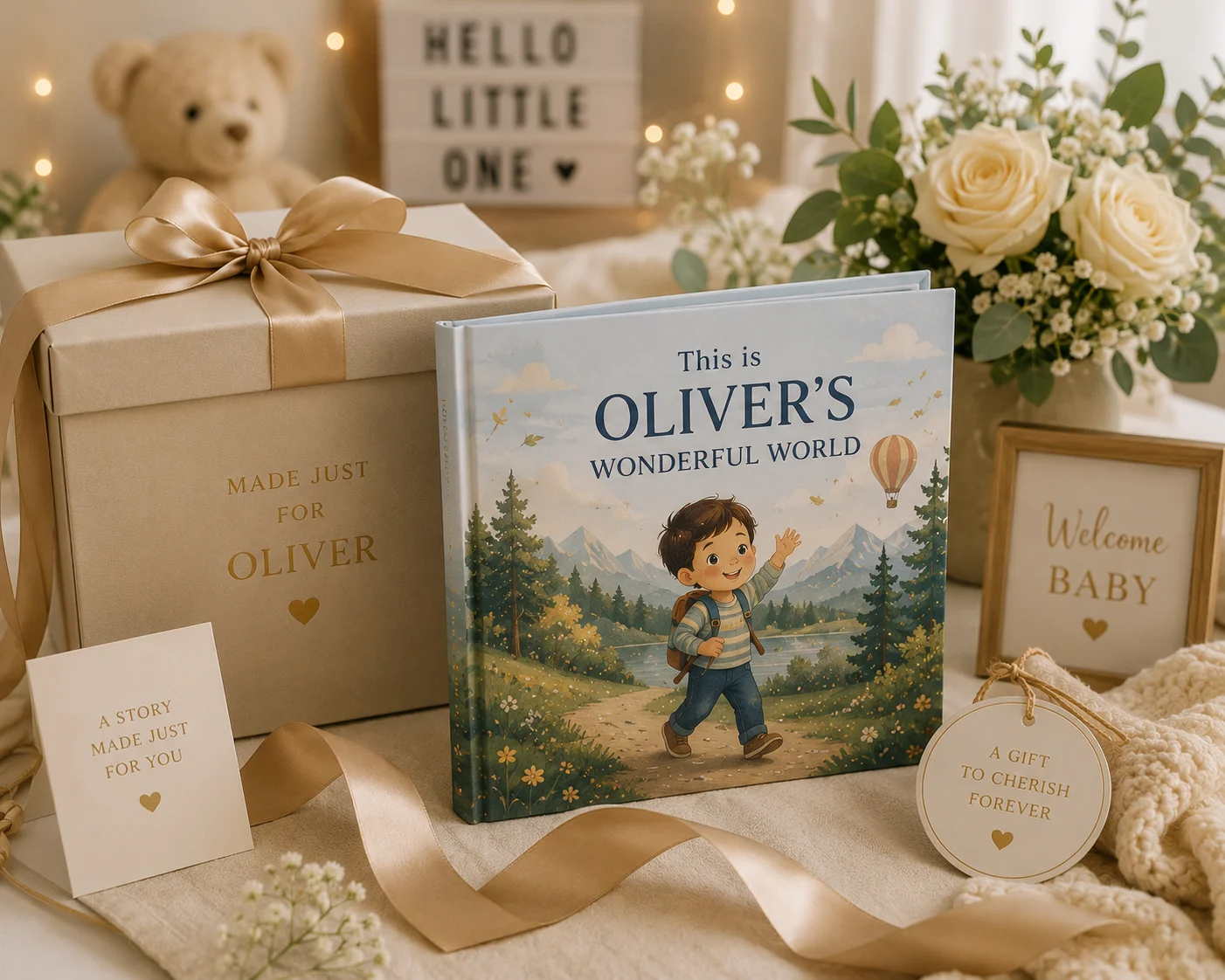
Browse Stattner’s current worlds, personalize the hero, and use the full preview to compare text density, story depth and emotional fit for your reader.
Browse personalized storybooks →The best personalized book is not the one with the most customization. It is the one the child recognizes, understands and wants to open again.