Personalized Bedtime Books for Kids: What to Look For
Choose a personalized bedtime book with a calm story, repeatable rhythm, age fit and preview. See what research says about bedtime routines and reading.

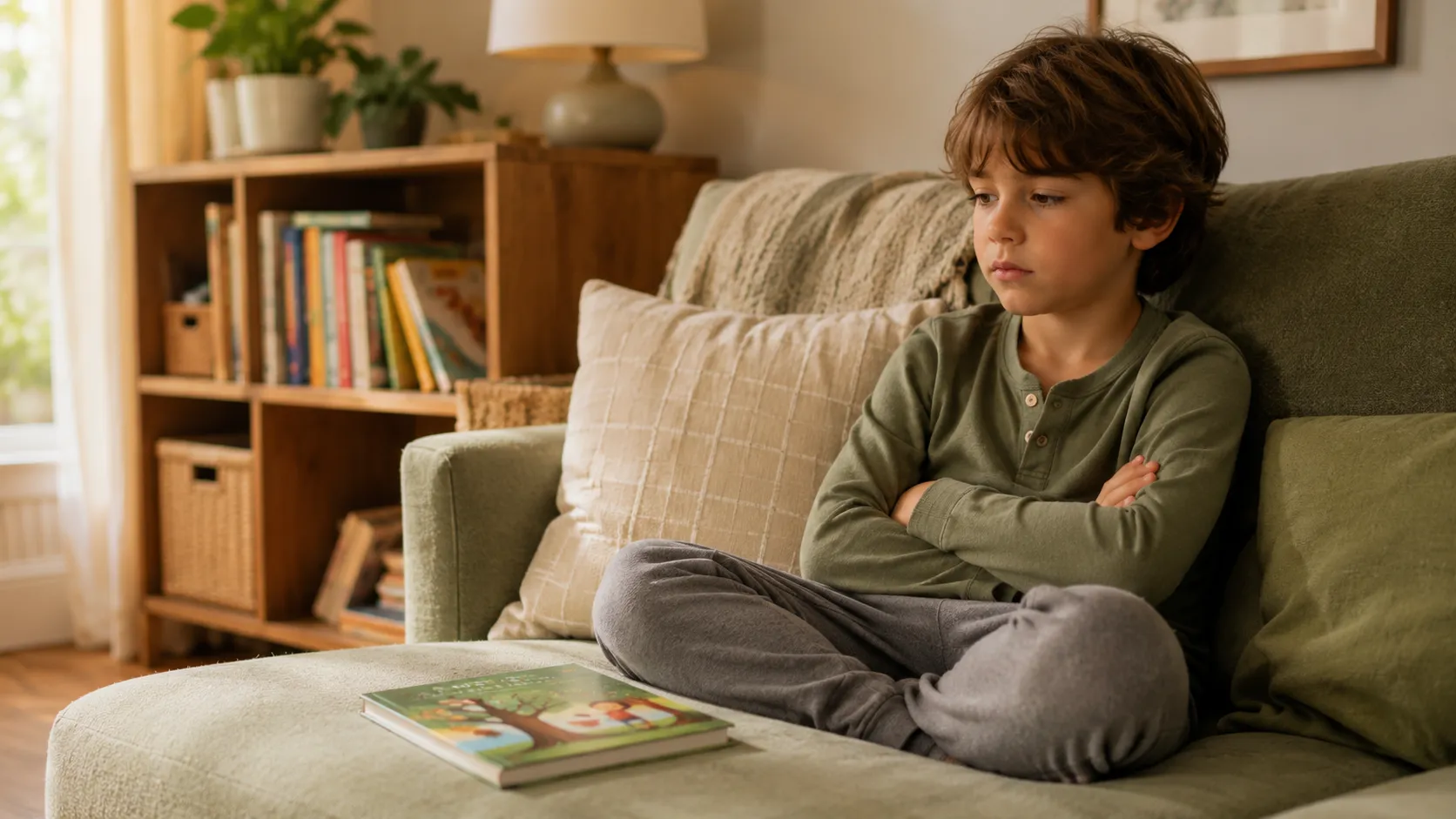
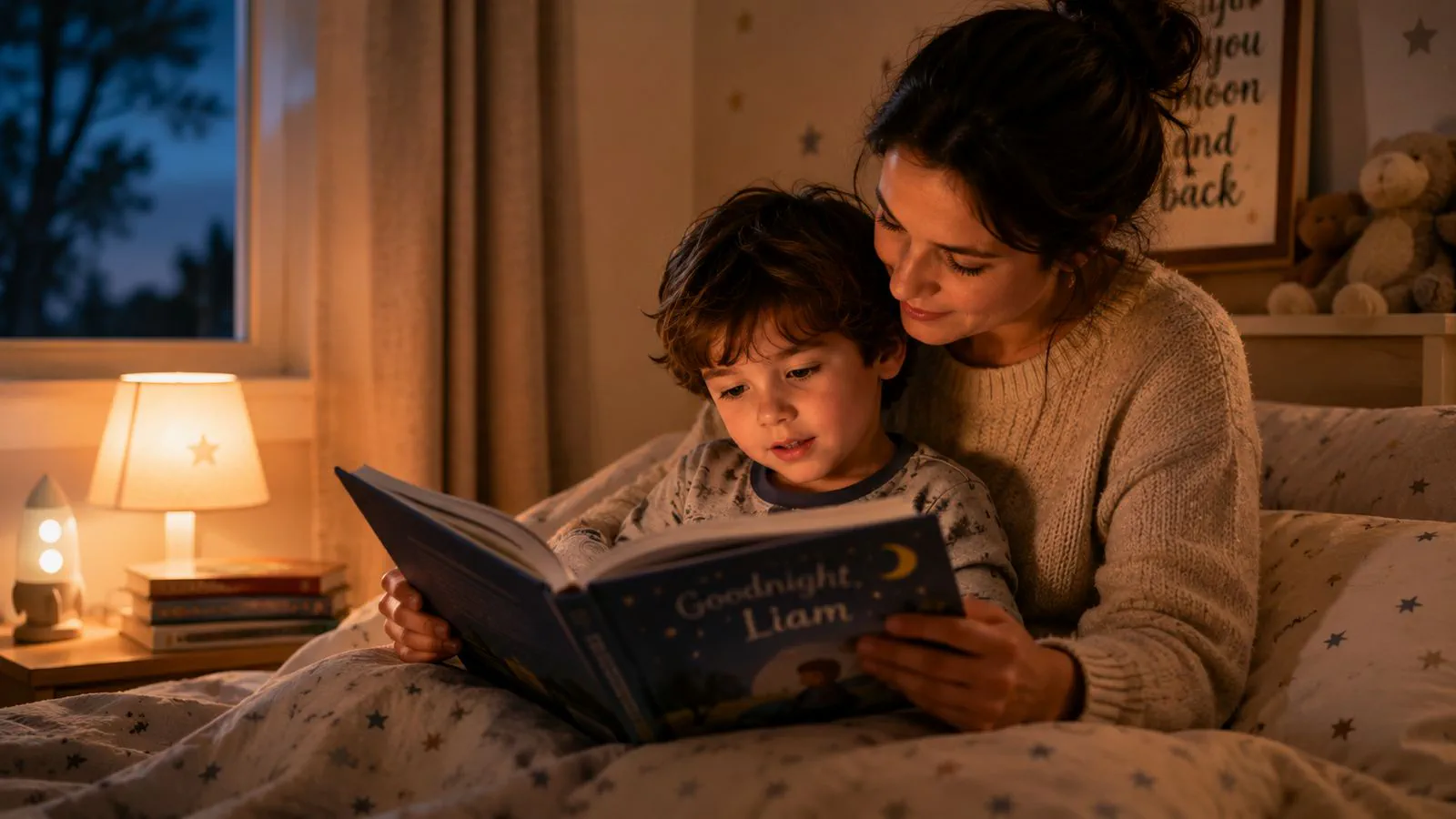
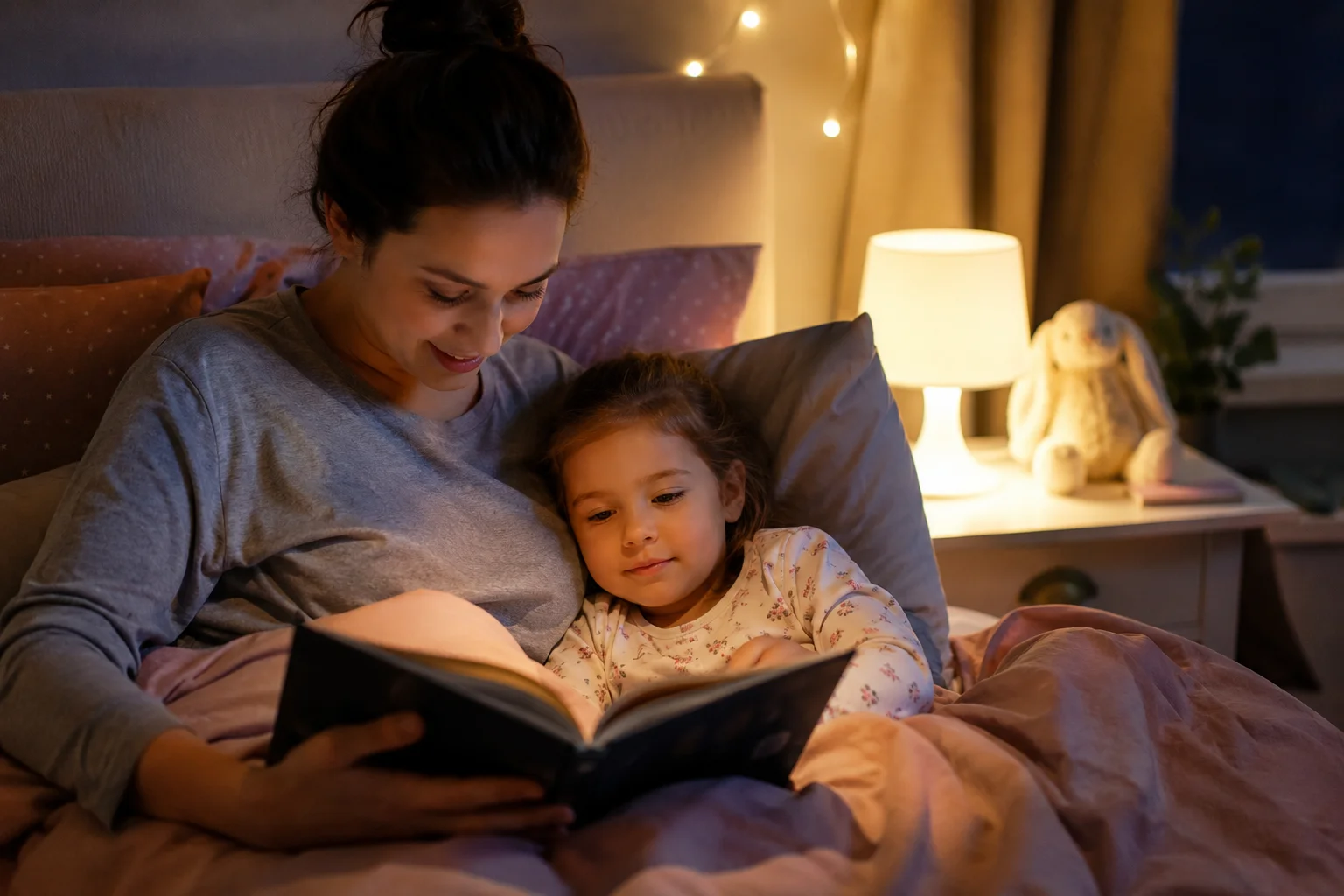
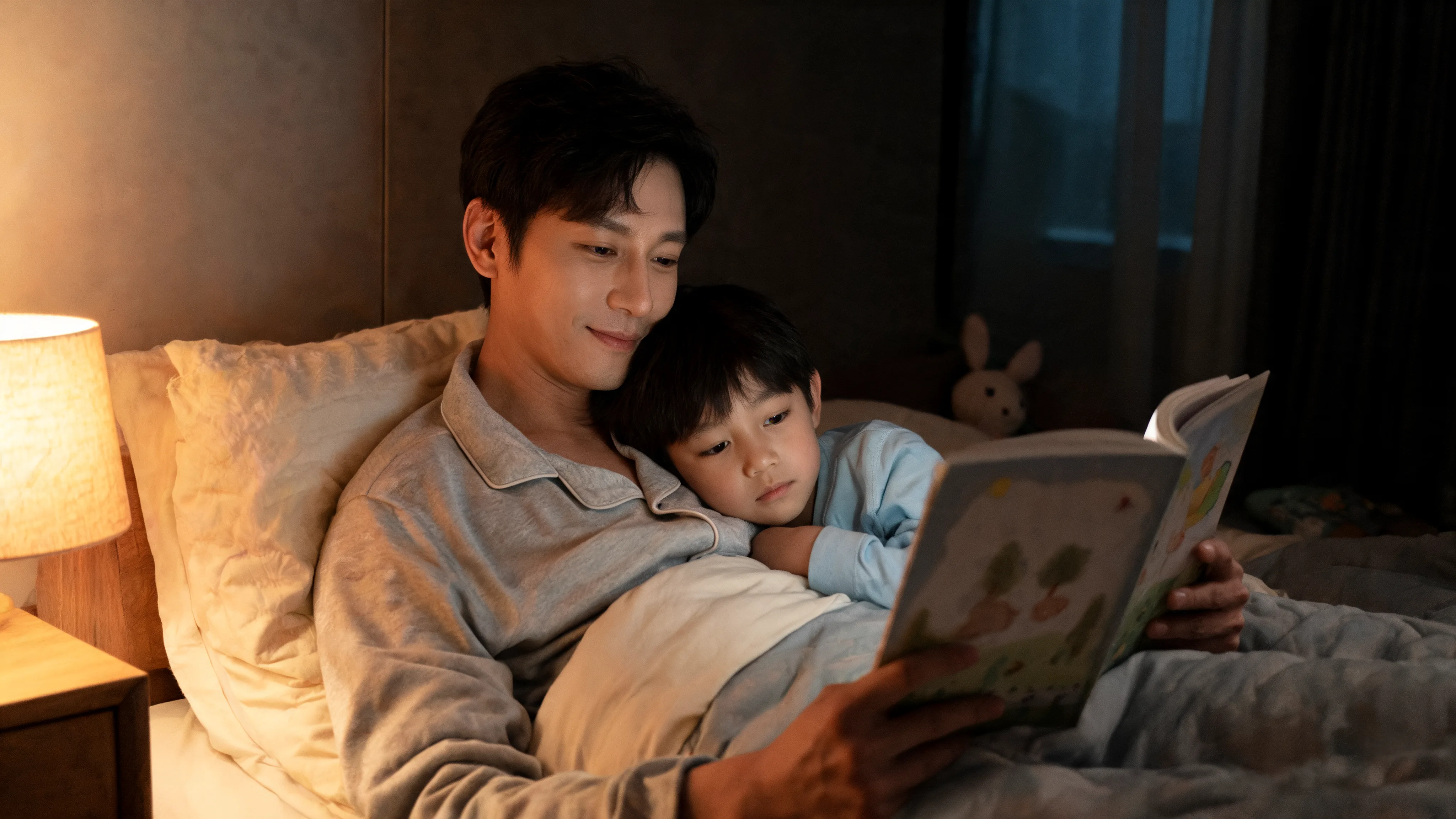
A bedtime book is bought for repetition. That changes the buying criteria. The surprise of seeing a child’s name or likeness may create the first reaction, but the story still has to feel calm, comfortable and easy to reread night after night.
This guide separates verified product facts from research evidence and buyer advice. It does not use invented search-volume numbers, fabricated studies or guaranteed developmental claims.
Personalized Bedtime Books for Kids: What to Look For A good personalized bedtime book should have a predictable emotional arc, age-appropriate text, comfortable read-aloud pacing and personalization that does not interrupt the story. Bedtime routines are associated with better reported sleep outcomes, but a book should not be marketed as a treatment for sleep problems.
What bedtime-routine research actually supports
In a large cross-sectional study, Mindell and colleagues found that having a consistent bedtime routine was associated with better reported sleep outcomes in young children, with more frequent routines linked to better outcomes.1 Because the study was observational, it does not prove that reading a specific book causes better sleep.
The useful takeaway for a buyer is narrower: choose a book that can fit a repeatable routine. A story that requires lots of setup, noisy interaction or a new screen every night may be less compatible with the calm sequence a family wants at bedtime.
The story should wind down, not peak at lights-out
Adventure can still work before bed, but the final third of the story should give the reader somewhere to land. Look for resolution, reassurance and a natural stopping point. Humor is fine; cliffhangers and escalating action are less ideal if the book is meant to be the final activity before sleep.
Stattner’s current collection includes an educational title called “Goodnight, Little Hero,” and the broader catalog is built around physical printed storybooks that families can preview before ordering.2
Personalization can increase engagement—but keep the claim modest
A small home-observation study of seven parent–toddler pairs found more smiles and laughs with personalized books than with a comparable non-personalized book, and more child vocal activity than with a favorite book during the observed sessions.3
That is interesting evidence for engagement, not a sleep study. A responsible bedtime product page should never turn “the child enjoyed the personalized book” into “the book makes children sleep faster.”
Bedtime buying checklist
Preview the full story; check text length; confirm the hero looks consistent; make sure the ending is calm; verify the book’s physical size; and ask whether the child typically enjoys stories at bedtime. If a child prefers morning reading, the same book can still work without forcing it into the bedtime slot.
How to use the book after the novelty fades
Read the same story with small conversational changes: point to one detail, ask one question, let the child finish one familiar line. Shared-book interventions have shown benefits for caregiver book-sharing competence and small effects on child language outcomes, especially when adults participate actively rather than treating reading as one-way narration.4
Build a bedtime shelf with a story starring them
Browse Stattner’s story collection, personalize the child, preview the full book and choose a printed story you would genuinely enjoy rereading.
Browse personalized storybooks →For bedtime, the most valuable personalization is the kind that makes a familiar routine feel more inviting—not more complicated.
References
Selected research and first-party sources used for factual claims.
- Mindell, J. A., Li, A. M., Sadeh, A., Kwon, R., & Goh, D. Y. T. (2015). Bedtime routines for young children: a dose-dependent association with sleep outcomes. Sleep, 38(5), 717–722. Large cross-sectional study found a consistent bedtime routine was associated with better reported sleep outcomes in young children; association does not by itself prove that a book causes better sleep. Verify source ↗
- Stattner. All Personalized Storybooks. Current collection page used to verify live Stattner themes including The Brave Knight, The Secret Spy, Soccer Hero Within and Goodnight, Little Hero. Verify source ↗
- Kucirkova, N., Messer, D., & Whitelock, D. (2013). Parents reading with their toddlers: The role of personalization in book engagement. Journal of Early Childhood Literacy, 13(4), 445–470. Small home-observation study of seven parent–toddler pairs found more smiles/laughs with personalized books and more child vocal activity than with a favorite book in the observed sessions. Verify source ↗
- Dowdall, N., Melendez-Torres, G. J., Murray, L., Gardner, F., Hartford, L., & Cooper, P. J. (2020). Shared Picture Book Reading Interventions for Child Language Development: A Systematic Review and Meta-Analysis. Child Development, 91(2), e383–e399. Meta-analysis of 19 randomized controlled trials (2,594 children aged 1–6) found small effects on expressive and receptive language and a large effect on caregiver book-sharing competence. Verify source ↗
Personalized Bedtime Books for Kids: What to Look For: FAQ
Do personalized bedtime books help children sleep?
There is no strong evidence that personalization itself improves sleep. Consistent bedtime routines are associated with better sleep outcomes, and a calm book can be one part of that routine.
What makes a good bedtime story for a young child?
A manageable length, clear emotional resolution, repeatable language, comfortable illustrations and an ending that settles rather than escalates.
Should bedtime books be boring?
No. They can be funny, imaginative and adventurous; the key is that the story resolves and the reading experience does not become overstimulating.
Can personalization make bedtime reading more engaging?
Small studies suggest personalized books can increase some forms of engagement and self-reference, but the evidence base is limited.
Does Stattner have a bedtime-themed title?
The current Stattner catalog lists “Goodnight, Little Hero” in its Educational collection.