
“Personalized baking book” can mean two completely different things: a story in which the child becomes a baker, or a cookbook personalized with a name or family recipes. Search results mix both. Knowing which experience you want prevents a very common gift mismatch.
The buyer test is simple: would the book still be enjoyable if the first surprise of seeing the child’s name and face were no longer new? If not, the product is relying too heavily on novelty.
Personalized Baking Books For Kids. First decide whether you want a personalized baking story or a functional children’s cookbook. For a story-led gift, check plot, child likeness and preview. Stattner currently lists Cupcakes Everywhere! as its baking-themed story option.
Storybook and cookbook are not interchangeable
A storybook can use cupcakes to explore creativity, persistence or surprise without providing tested recipes. A cookbook should prioritize clear measurements, food-safety context and usable instructions. Do not buy one expecting the other simply because both appear for the same keyword.
Stattner currently lists Cupcakes Everywhere!, a personalized story about a little baker moving through a cupcake-themed adventure.1
Personalization should change the reading experience, not just the cover
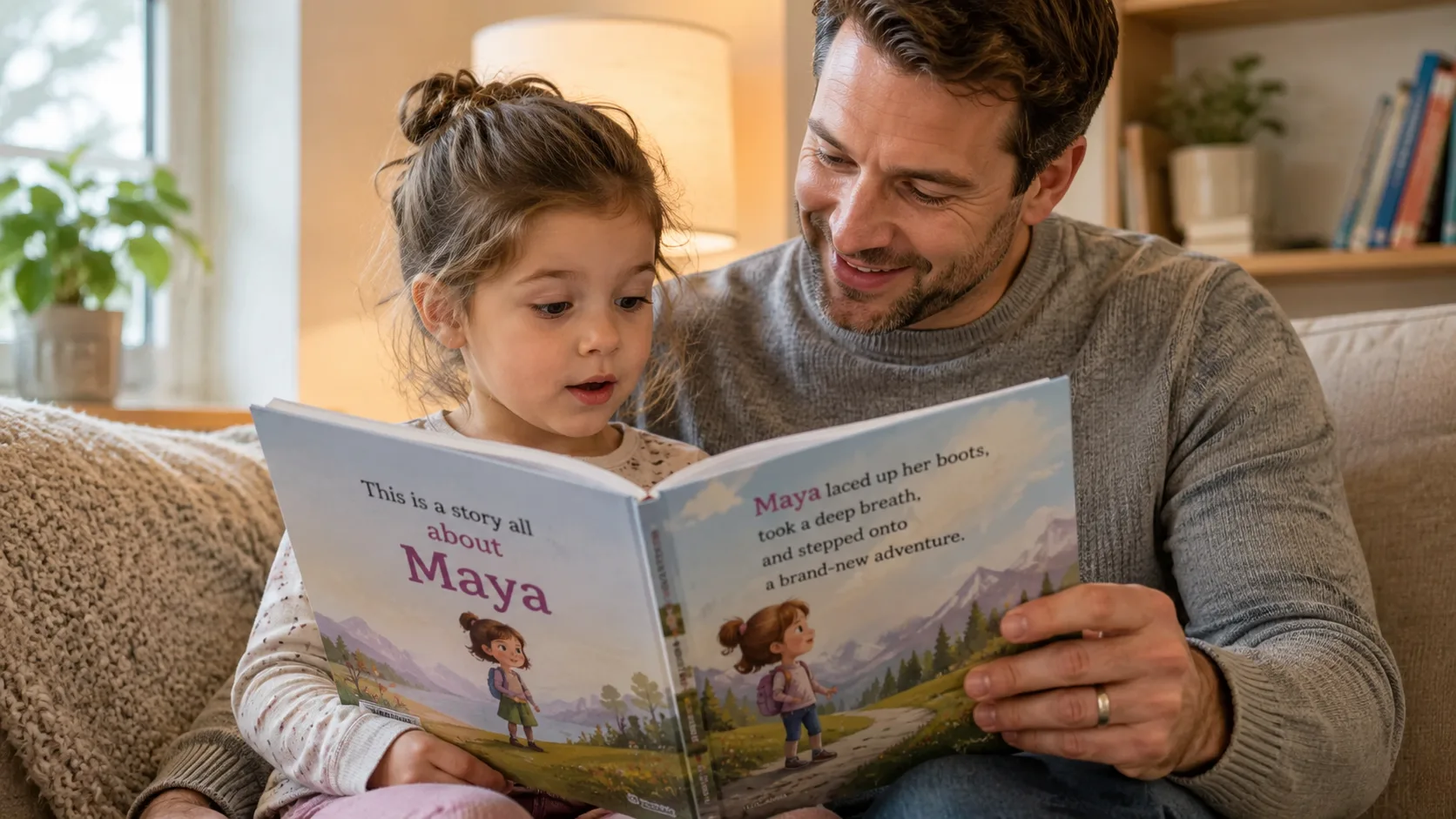
Small studies of personalized picture books suggest that personalization can affect how children respond during shared reading. One study of 35 preschool children reported more spontaneous speech and self-referencing in personalized sections than in non-personalized sections.3 That is promising evidence, but it does not mean every personalized book automatically improves language, confidence or reading skill.
Know whether the gift is for reading or actual cooking.
Why it matters: The product matches the experience you want.
In a storybook, mixing, decorating or experimenting should affect what happens.
Why it matters: The theme feels integrated rather than pasted on.
The young baker should remain recognizable across kitchen and fantasy scenes.
Why it matters: The visual personalization feels intentional.
Be careful with “educational” kitchen claims
Real cooking can involve measurement, sequencing and adult-child conversation, but a fictional cupcake adventure should not be sold as a substitute for a tested recipe book or food-safety guidance. If the child wants to bake afterward, use a recipe source designed for actual kitchen use and provide appropriate adult supervision.
Use the full preview as a quality-control step
Stattner describes a workflow in which families choose a story, personalize the child and preview the finished result before ordering.2 Use that preview actively: check spelling, face consistency, hands and clothing, page order, text density and whether the plot remains coherent from spread to spread.
| Check | Good sign | Watch out for |
|---|---|---|
| Format | Good Clearly labeled storybook or cookbook. | Product page blurs fiction and recipe instruction. |
| Kitchen detail | Good Story scenes are coherent for a fictional baker. | Marketing implies recipes are tested when none are provided. |
| Gift fit | Good Child likes both books and baking themes. | Theme was chosen only because adults find it cute. |
Keep the educational promise narrow and factual
The American Academy of Pediatrics supports shared reading from infancy and emphasizes developmentally appropriate, language-rich interaction around books.4 That supports reading together; it does not justify turning every themed personalized story into a claim about guaranteed learning, therapy or behavior change. The honest promise is a personal story, a shared reading moment and a physical keepsake.
Cupcakes Everywhere!
For a child who wants to star in a sweet baking adventure rather than follow recipes, start with Stattner’s current Cupcakes Everywhere! and review the complete personalized story before print.
Browse personalized storybooks →The right baking book starts with one question: are you giving a story to read, or instructions to cook?