
“Animal book” is a huge category. A child obsessed with dogs may not care about a jungle survey, and a child who loves wildlife may be bored by a single pet story. Personalized buying works best when the animal interest and the child’s role in the story are both clear.
The buyer test is simple: would the book still be enjoyable if the first surprise of seeing the child’s name and face were no longer new? If not, the product is relying too heavily on novelty.
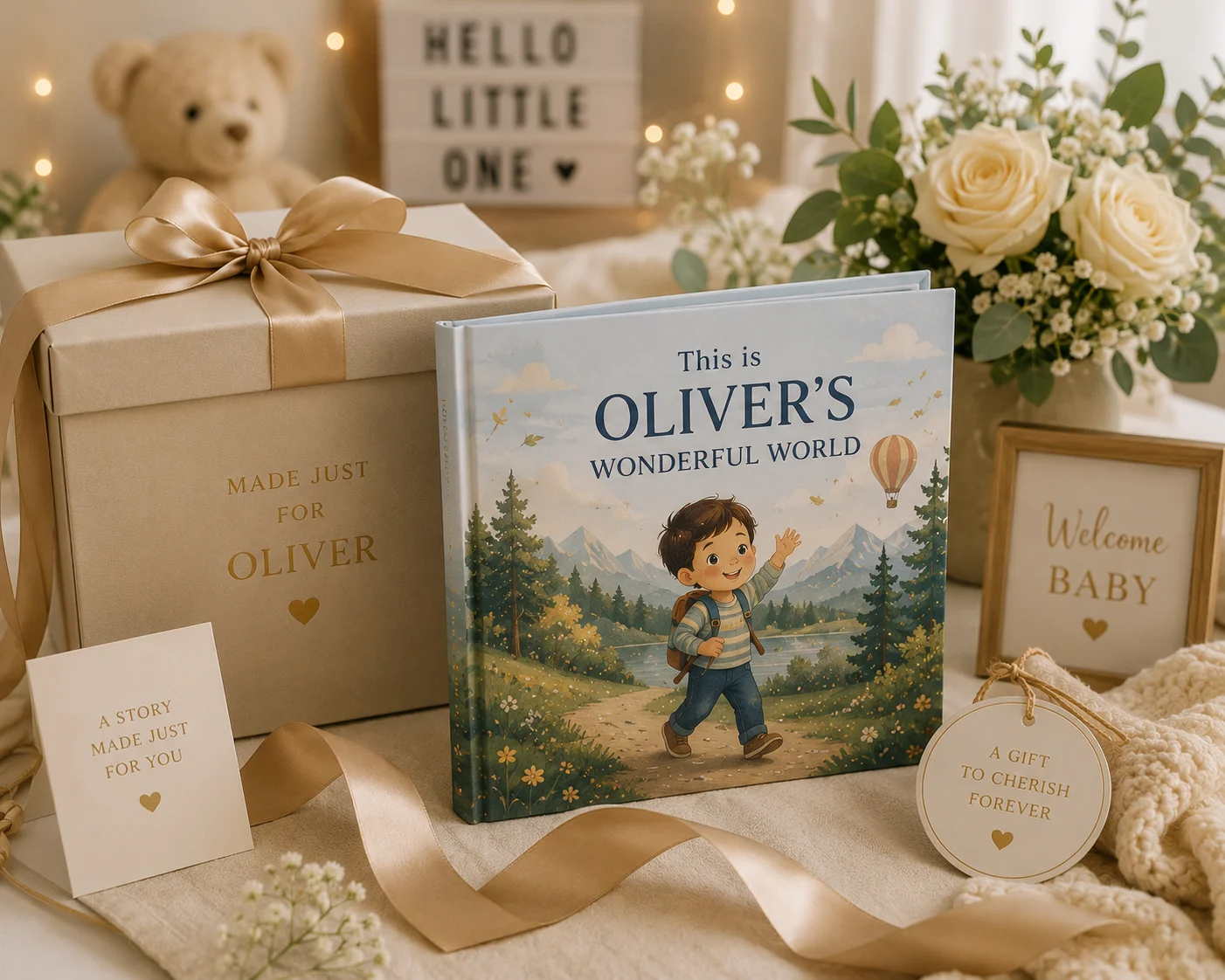
Personalized Animal Books For Kids. Choose an animal book that matches the child’s favorite kind of animals, keeps the child active in the plot and offers a full preview. Stattner currently lists Little Friends Everywhere as a multi-animal personalized story.
Species fit can matter more than age label
A strong interest is often specific: puppies, horses, insects, sea life, farm animals or everything with fur. Check which animals actually appear before buying. The title and cover may communicate “animals” broadly while the interior focuses on a narrower set.
Stattner currently lists Little Friends Everywhere, a story in which a child encounters multiple animals and the narrative centers on kindness toward them.1
Personalization should change the reading experience, not just the cover
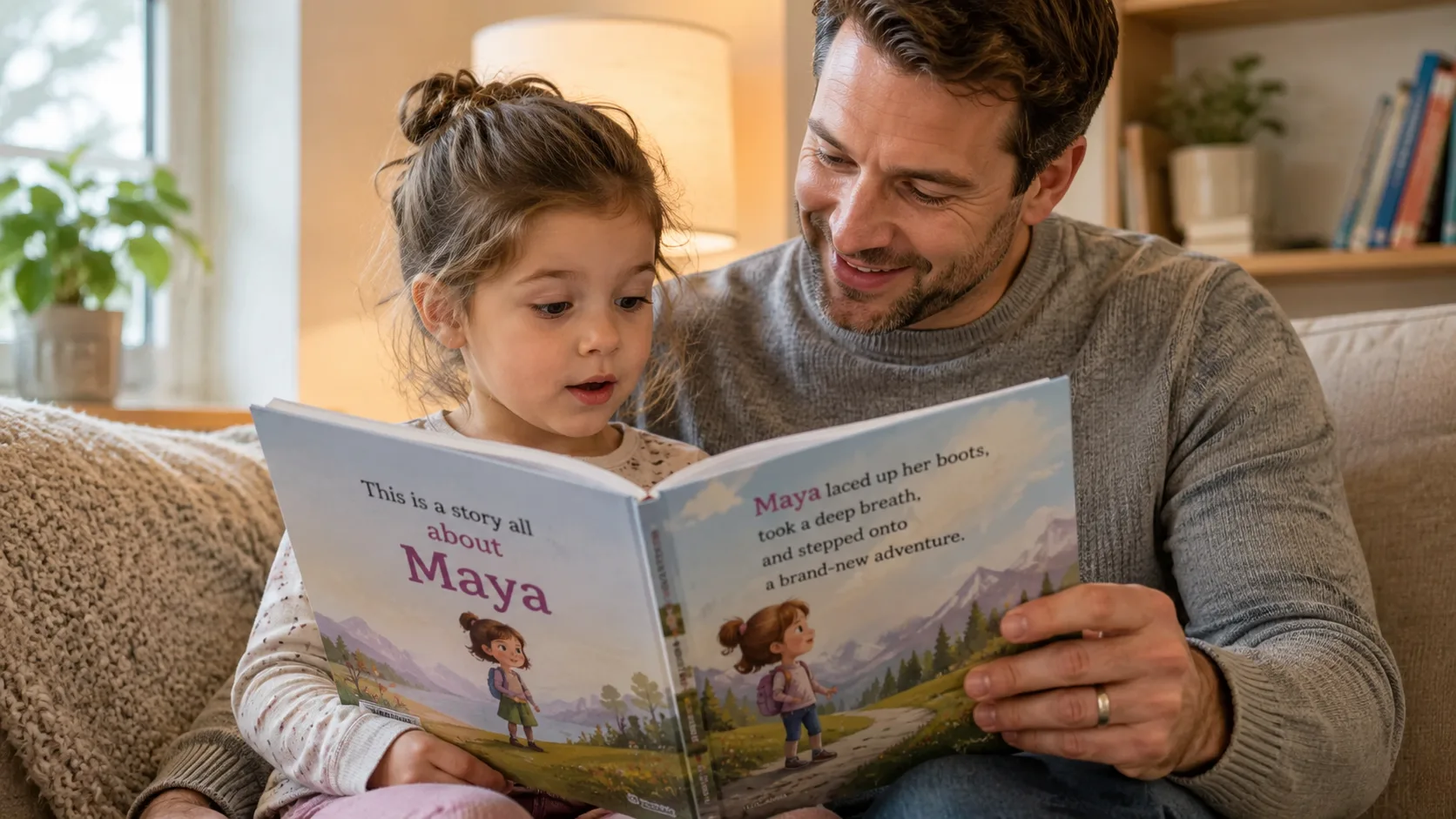
Small studies of personalized picture books suggest that personalization can affect how children respond during shared reading. One study of 35 preschool children reported more spontaneous speech and self-referencing in personalized sections than in non-personalized sections.3 That is promising evidence, but it does not mean every personalized book automatically improves language, confidence or reading skill.
The book features animals the child genuinely cares about.
Why it matters: The gift feels chosen for this child rather than for “kids” in general.
The child helps, observes, learns or makes choices around the animals.
Why it matters: Personalization remains central.
Animal scenes are warm and age-appropriate for the intended reader.
Why it matters: The story supports rereading rather than relying on peril or shock.
Separate animal facts from animal fantasy
Talking animals and magical encounters are perfectly valid in fiction. Problems arise only when marketing blurs fantasy with factual learning. If you want species facts, choose a resource designed for that purpose. If you want a personalized story, judge it as a story and use any factual curiosity it sparks as a reason to look things up together.
Use the full preview as a quality-control step
Stattner describes a workflow in which families choose a story, personalize the child and preview the finished result before ordering.2 Use that preview actively: check spelling, face consistency, hands and clothing, page order, text density and whether the plot remains coherent from spread to spread.
| Check | Good sign | Watch out for |
|---|---|---|
| Animals | Good Favorite species actually appear in the book. | Cover suggests a broader range than the interior. |
| Child role | Good Child interacts meaningfully with animals. | Animals do everything while the child watches. |
| Learning claims | Good Story is clearly presented as fiction or keepsake. | Marketing promises factual mastery without support. |
Keep the educational promise narrow and factual
The American Academy of Pediatrics supports shared reading from infancy and emphasizes developmentally appropriate, language-rich interaction around books.4 That supports reading together; it does not justify turning every themed personalized story into a claim about guaranteed learning, therapy or behavior change. The honest promise is a personal story, a shared reading moment and a physical keepsake.
Little Friends Everywhere
For a child who loves many kinds of animals, start with Stattner’s current Little Friends Everywhere and read the preview to make sure the animal mix matches their interests.
Browse personalized storybooks →The strongest animal book feels like it was chosen for the child’s specific fascination, then personalized around a story worth sharing.