Personalized Alphabet Books for Kids: What Actually Makes a Good ABC Book
Shopping for a personalized alphabet book? Compare letter clarity, child personalization, age fit, story quality, preview options and realistic learning claims.

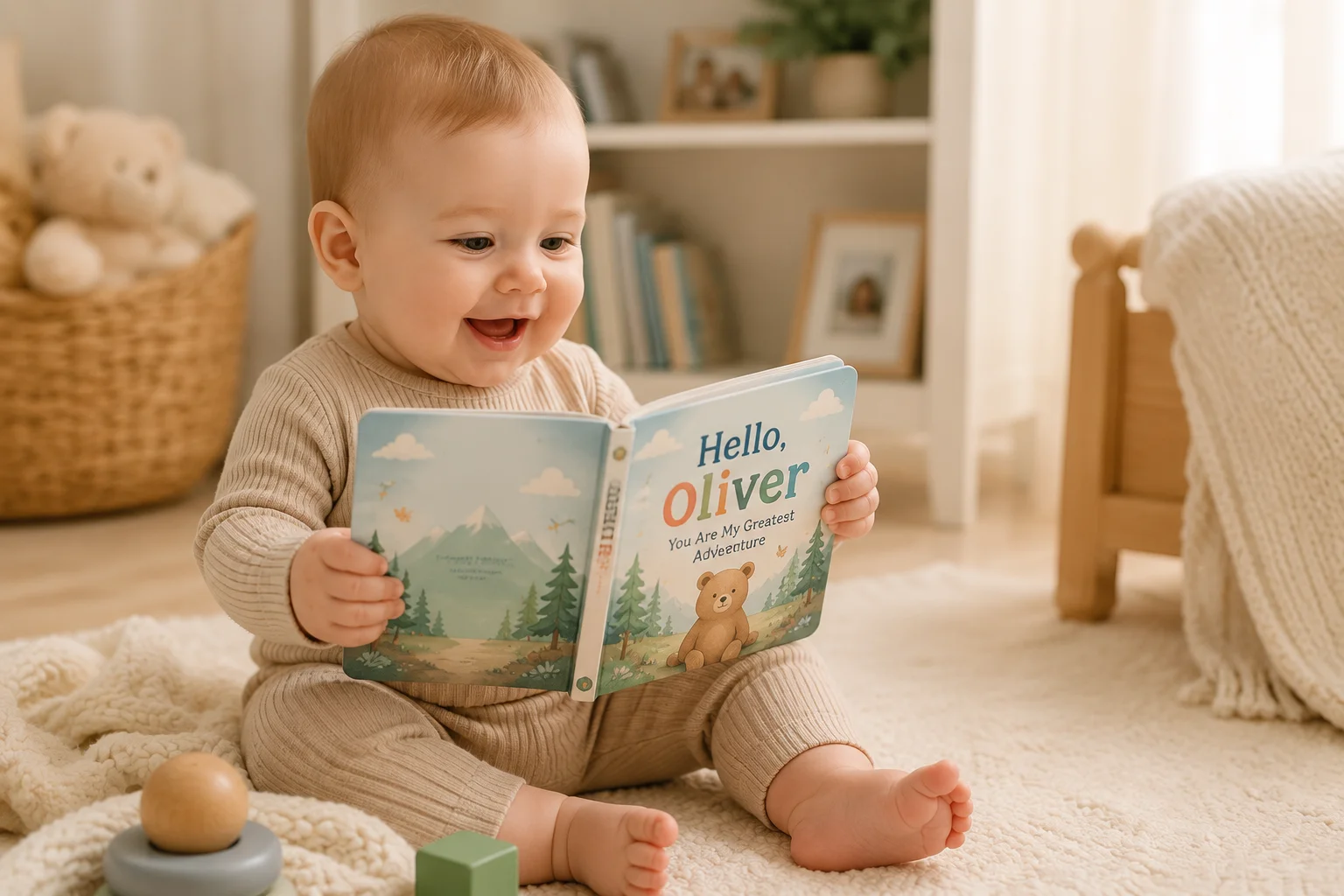
Alphabet books live in a crowded category: board books, name-spelling books, photo books, phonics products and storybooks can all call themselves an “ABC book.” That makes the buyer’s job less about finding the most personalized cover and more about deciding what job the book is supposed to do.
For a gift, the sweet spot is often a book that is easy to share aloud, easy to visually scan, and personal enough to invite comments.
Personalized Alphabet Books for Kids. Prioritize clear letter presentation, short readable text, a child-relevant story and repeated-read potential. Personalization can add attention and conversation, but it should not be sold as a shortcut that teaches reading by itself.
Decide whether you want an alphabet reference or an alphabet story
A reference-style ABC book gives each letter a word or image. A story-style ABC book uses letters inside a narrative. Neither is automatically better; they solve different problems. For bedtime or gifting, a narrative often has more reread value. For quick letter naming, a simpler layout may be easier.
Stattner currently lists Alphabet Fun Day, where a personalized hero moves through an alphabet-themed story.1 That positions it as a storybook with an educational theme rather than a worksheet.
Keep the learning claim realistic
The AAP recommends shared reading and language-rich interaction with developmentally appropriate books from infancy through at least kindergarten.2 An alphabet story can be part of that environment, but no single commercial book guarantees letter mastery, phonics skill or independent reading.
Personalization can make the page more discussable
In a small repeated-measures study of 18 preschool children, target words in personalized book sections were remembered better at later testing points than words in non-personalized sections.3 This is useful evidence, but it is narrow evidence: it does not mean every personalized ABC product produces the same result.
Letters should be easy to distinguish from decorative art and should not be hidden inside overly busy backgrounds.
Why it matters: The educational signal should be obvious at a glance.
One or two strong ideas per spread is often more usable than dense paragraphs in an early-learning book.
Why it matters: Adults can pause, point and talk without losing the child.
Use the child’s name and likeness in ways that invite comments rather than interrupting every line.
Why it matters: Personalization should make the book easier to talk about, not harder to read.
Check the whole book before print
Look for duplicated letters, missing letters, spelling errors and visual inconsistencies. In personalized books, a full-book preview is more valuable than a beautiful sample because the exact child-specific output is what will be printed.
| Check | Good sign | Watch out for |
|---|---|---|
| Alphabet coverage | Good A–Z is complete and easy to follow. | Missing, duplicated or visually ambiguous letters. |
| Reading load | Good Text leaves room for pointing and conversation. | Tiny type or crowded paragraphs. |
| Claims | Good The seller describes the book as a reading/learning aid. | Promises that one book will “teach your child to read.” |
Buy for repetition, not one-time novelty
An alphabet book has more value when the child will reopen it. Pick imagery and a story tone that fit their current interests. If the book is only exciting because the child’s name is printed on the front, its useful life may be short.
Alphabet Fun Day
If you want an ABC theme inside a personalized story rather than a worksheet, Stattner currently offers Alphabet Fun Day. Personalize the hero and check the full preview before printing.
Browse personalized storybooks →A good personalized alphabet book makes letters easier to notice—and gives the child a reason to notice them again tomorrow.
References
Selected research and first-party sources used for factual claims.
- Stattner. Alphabet Fun Day. Current first-party product page for Stattner’s alphabet-themed personalized story. Verify source ↗
- American Academy of Pediatrics (2024). Literacy Promotion: An Essential Component of Primary Care Pediatric Practice: Policy Statement. AAP recommends shared reading beginning at birth and continuing at least through kindergarten, with developmentally appropriate, language-rich interaction. Verify source ↗
- Kucirkova, N., Messer, D., & Sheehy, K. (2014). Reading personalized books with preschool children enhances their word acquisition. First Language, 34(3), 227–243. Small repeated-measures study of 18 preschoolers found better later knowledge for target words appearing in personalized sections. Verify source ↗
Personalized Alphabet Books for Kids: What Actually Makes a Good ABC Book: FAQ
Do personalized alphabet books teach kids to read?
No single alphabet book can guarantee reading. A good ABC book can support shared reading, letter talk and repeated exposure.
Does Stattner have a personalized alphabet book?
Yes. Alphabet Fun Day is currently listed in Stattner’s Educational collection.
What should I check in an ABC preview?
Verify that A through Z are complete, legible, correctly ordered and paired with text that is easy to read aloud.
Is personalization useful for learning?
Small studies suggest personalized content can increase self-referencing and, in some conditions, word learning, but results should not be generalized into guarantees.
Should an alphabet book use lots of text?
Usually the text should leave room for pointing, naming, questions and repetition rather than crowding every page.