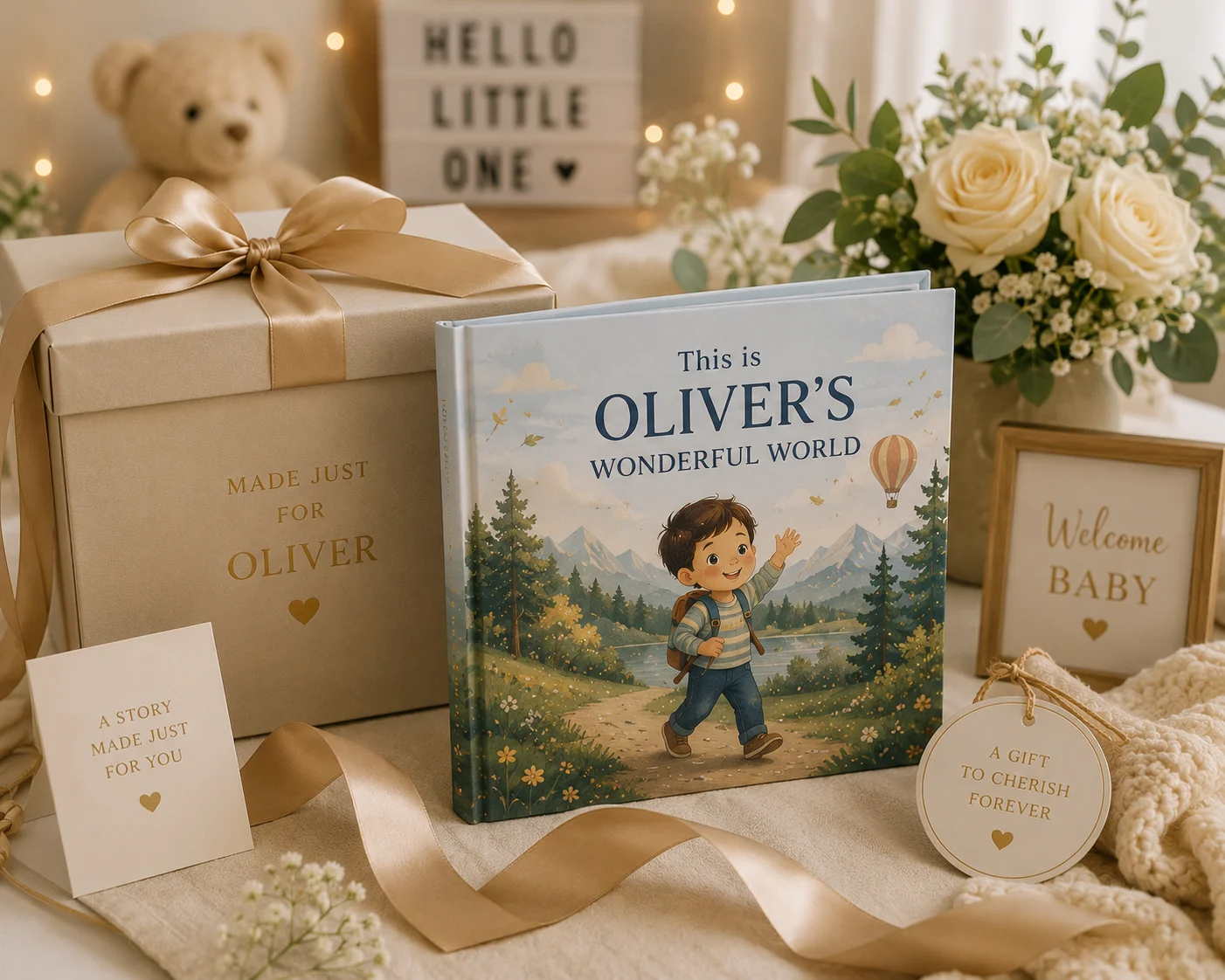

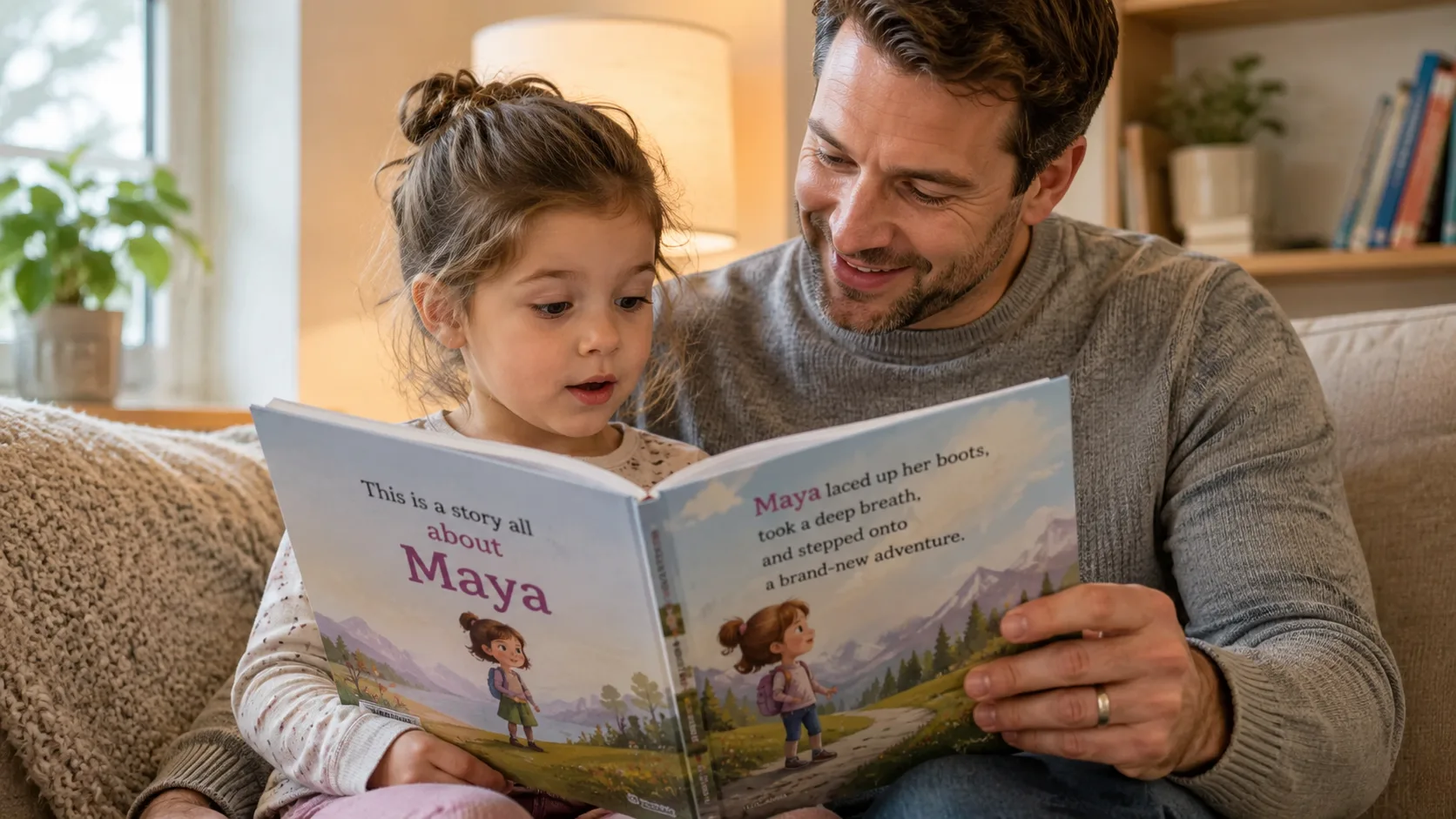
A personalized adventure book works best when the child is more than a face placed into scenery. The hero should have a goal, make choices and move through a complete story that feels right for the child’s age and temperament.
For this guide, the standard is simple: separate what the product can genuinely offer from claims that sound impressive but are not supported. Stattner’s current catalog and personalization flow were checked against its live first-party pages.12
Personalized Adventure Books For Kids: A good personalized adventure book gives the child a clear role, a coherent beginning-middle-ending arc, age-appropriate stakes and a full preview before printing. Stattner’s current catalog includes several adventure-led options, including The Mystery Island, The Secret Treasure Map and The Courage of the Deep.
Start with the role, not the scenery
“Adventure” can mean a treasure hunt, island mystery, ocean quest, magical journey or fast-moving rescue. Start by asking what the child wants to be: explorer, detective, captain, helper or problem-solver. A strong role gives the plot direction. A beautiful world without a meaningful role often becomes a sequence of pictures rather than a story.
A real quest needs a story arc
Look for setup, challenge, decisions and resolution. The child should not simply arrive in one exciting location after another. A satisfying arc matters because repeated reading depends on anticipation: children learn what comes next, remember favorite moments and participate in the story. Shared reading itself is supported by the American Academy of Pediatrics as a language-rich, relationship-building routine.4
Personalization should be visible across the whole book
A small preschool study found more spontaneous speech and self-referencing in personalized parts of a shared book than in non-personalized parts.3 That is interesting evidence, not a guarantee. For a buyer, the practical lesson is simpler: personalization should be consistent enough that the child clearly recognizes the hero across pages.
Use the preview as your quality-control screen
Stattner says families can choose a story, personalize the child and preview the complete personalized book before ordering.2 Use that preview to check spelling, face consistency, page order, emotional tone, sentence density and whether the ending pays off the setup.
A three-part buying check
The child should solve, choose, discover or lead—not just appear in the background.
Why it matters: This is one of the fastest ways to separate a strong fit from a visually impressive but weaker book.
A beginning, problem and resolution make the adventure worth rereading.
Why it matters: This is one of the fastest ways to separate a strong fit from a visually impressive but weaker book.
Inspect every page before a made-to-order copy is printed.
Why it matters: This is one of the fastest ways to separate a strong fit from a visually impressive but weaker book.
Any learning, reading or confidence claim should be judged against the cited evidence. These buyer guides do not treat personalization as a guaranteed developmental outcome.
Choose the adventure that fits the child
Stattner’s current catalog includes mystery, treasure-hunt, ocean and other adventure-led stories. Compare the live previews and choose the role your child will enjoy inhabiting.
Browse personalized storybooks →The best personalized book is not the one with the most customization. It is the one the child recognizes, understands and wants to open again.