
The Best Children’s Books by Age: Timeless Picks Worth Owning
A practical guide to choosing children’s books that earn a permanent place on the family shelf: board books, picture books, chapter books, classics, award-style picks, and giftable favorites.
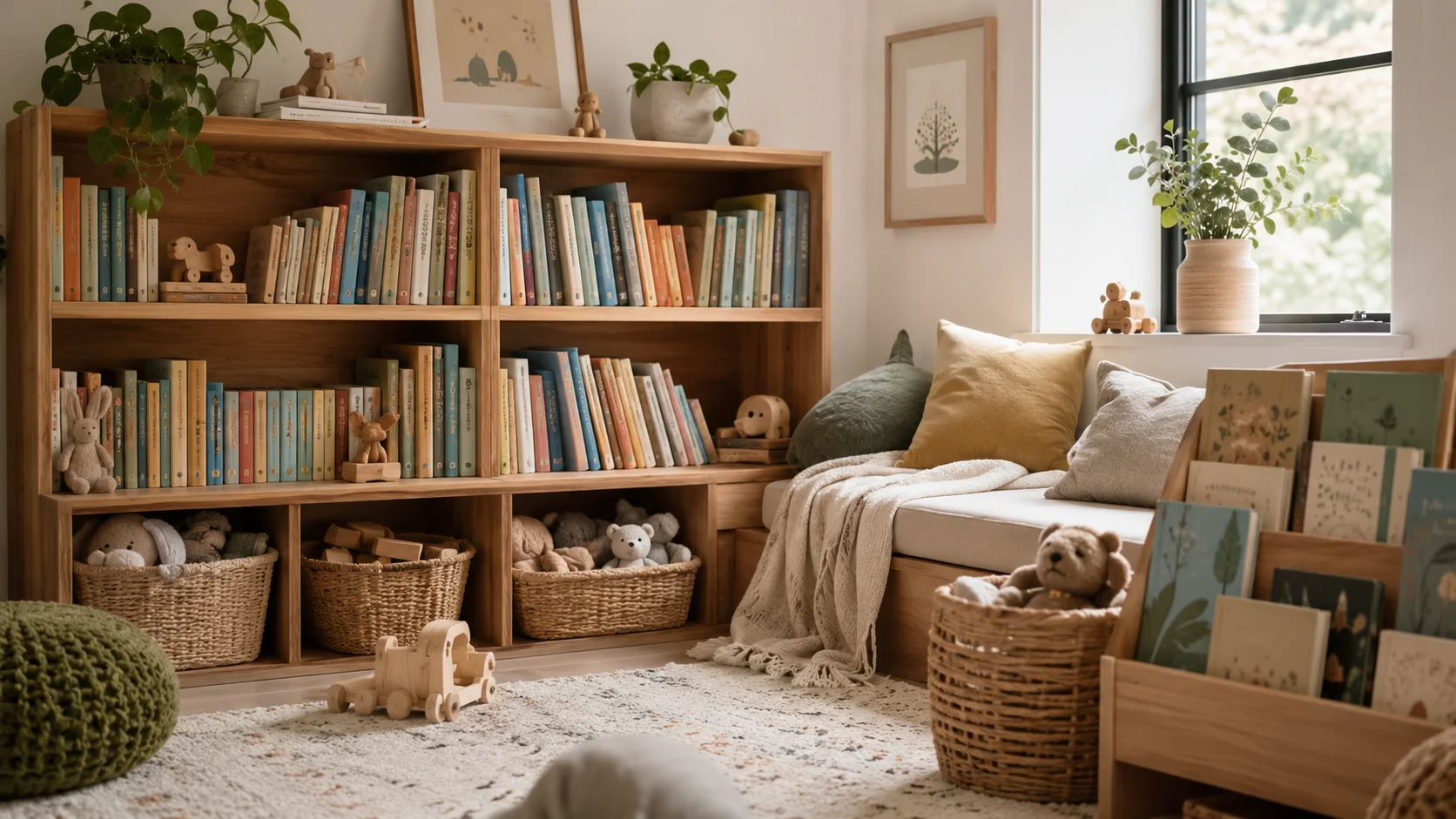
Quick Picks by Age
| Age | Best Book Type | What Matters Most |
|---|---|---|
| 0–2 | Board books | Rhythm, durability, simple images |
| 2–5 | Picture books | Re-readability, emotion, illustration |
| 5–8 | Early readers and short chapter books | Confidence, humor, clear chapters |
| 8–12 | Middle-grade books | Character, plot, independence |
What Makes a Children’s Book Great?
A great children’s book survives re-reading. It has language that sounds good out loud, illustrations or scenes worth returning to, emotional truth, and enough story power to matter after the first read.
Re-readability
Children often ask for the same book repeatedly. Great books reward that repetition instead of becoming tiring.
Emotional truth
The best books treat children’s feelings seriously without turning the story into a lecture.
Age fit
The best book for a two-year-old is not the best book for a ten-year-old. Format matters.
Staying power
Some books become family rituals. Those are the books worth owning, not just borrowing once.
Best Board Books for Babies
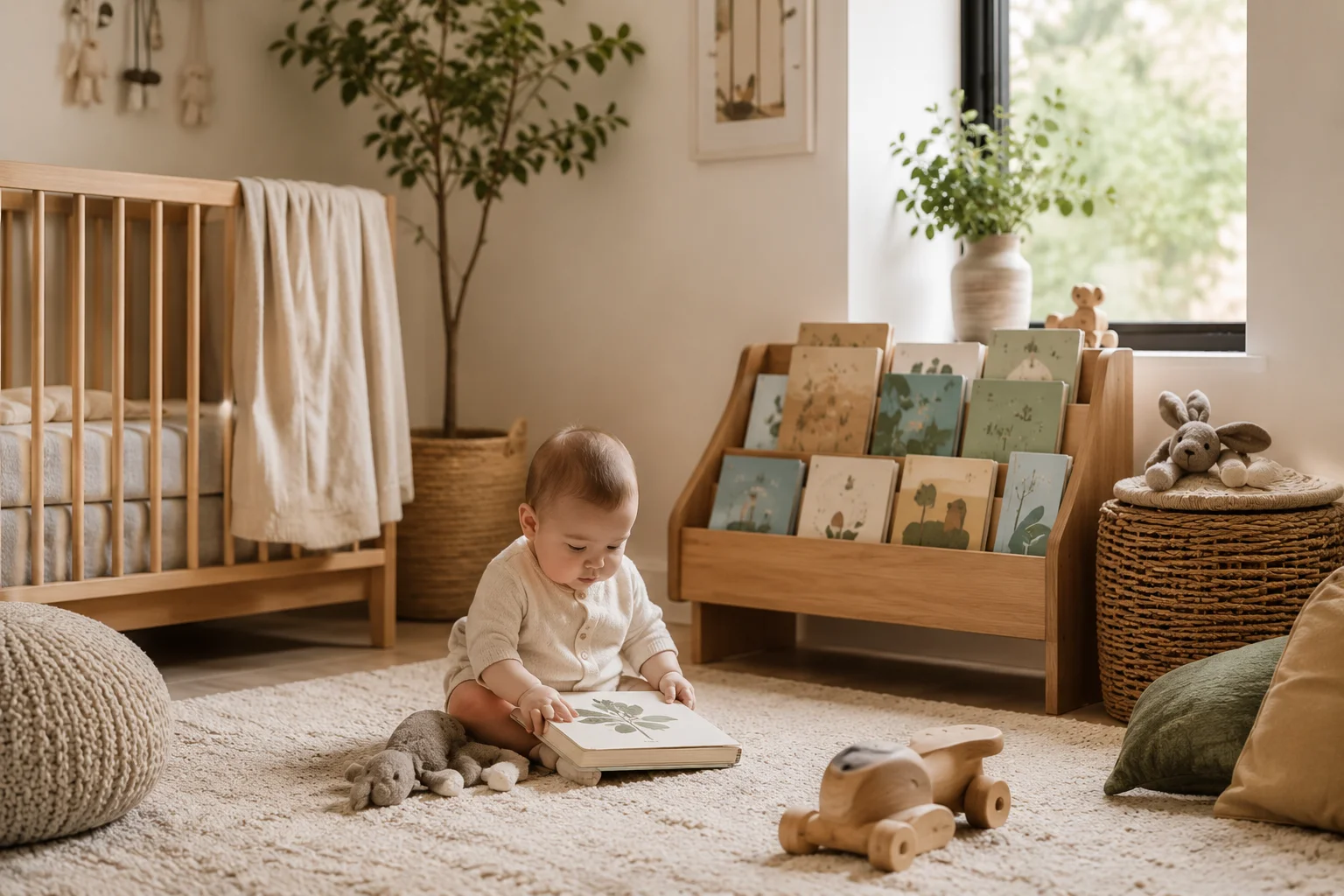
Board books should be simple, rhythmic, and easy to share. For babies, the sound of your voice and the closeness of reading matter as much as the words.
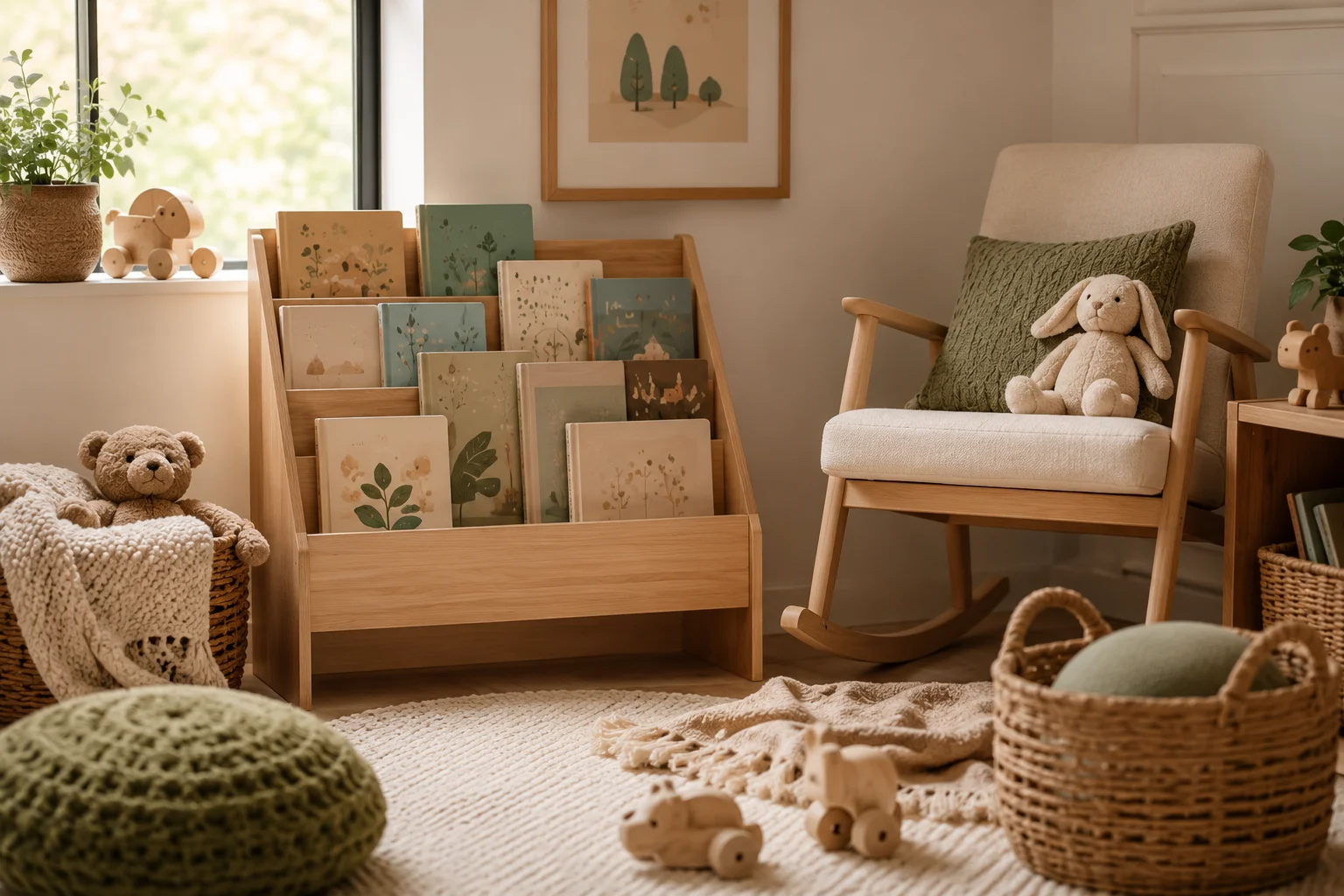
- Choose sturdy pages and short text.
- Look for rhythm, contrast, and simple naming.
- Do not worry about finishing every page.
Best Picture Books for Toddlers and Preschoolers
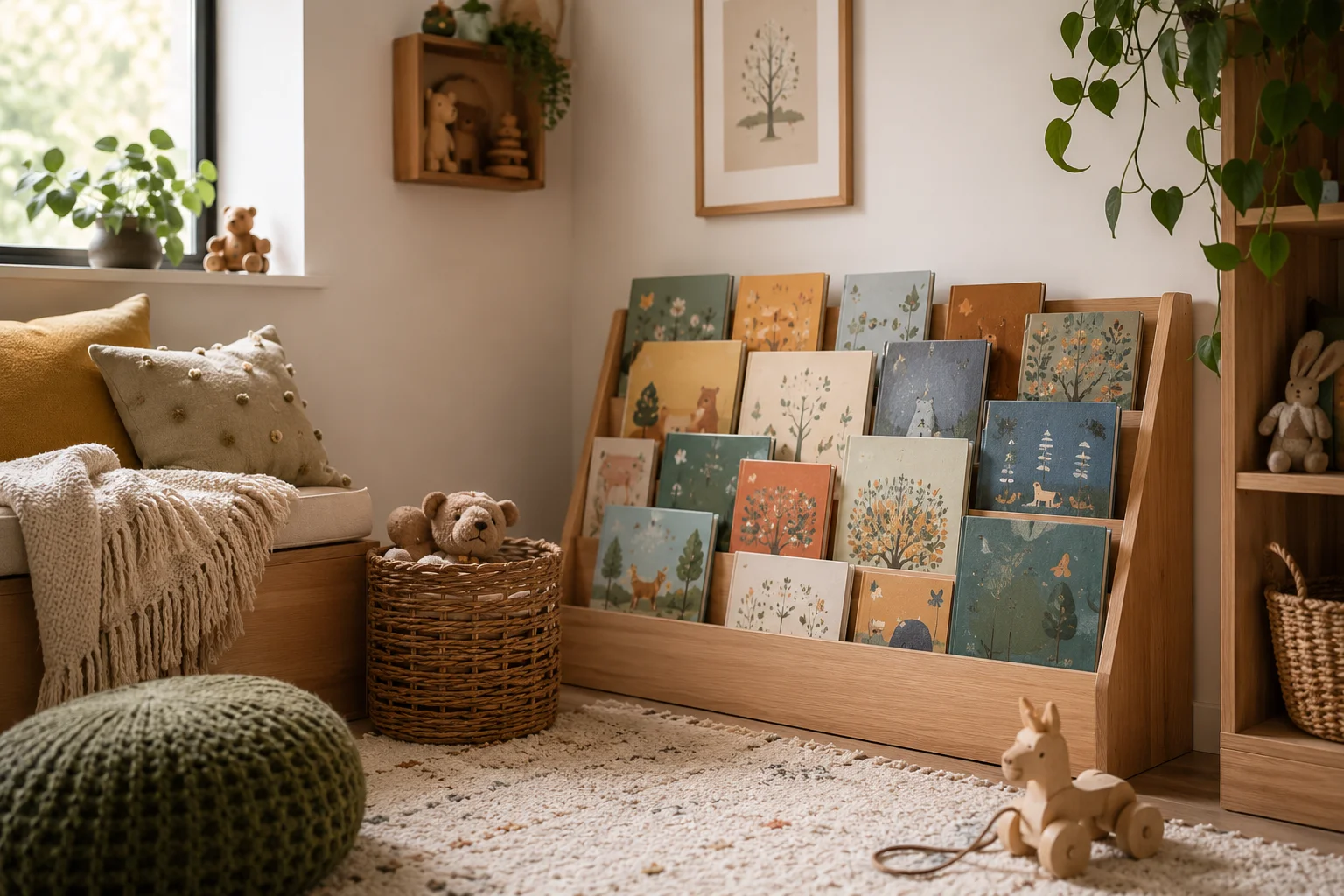
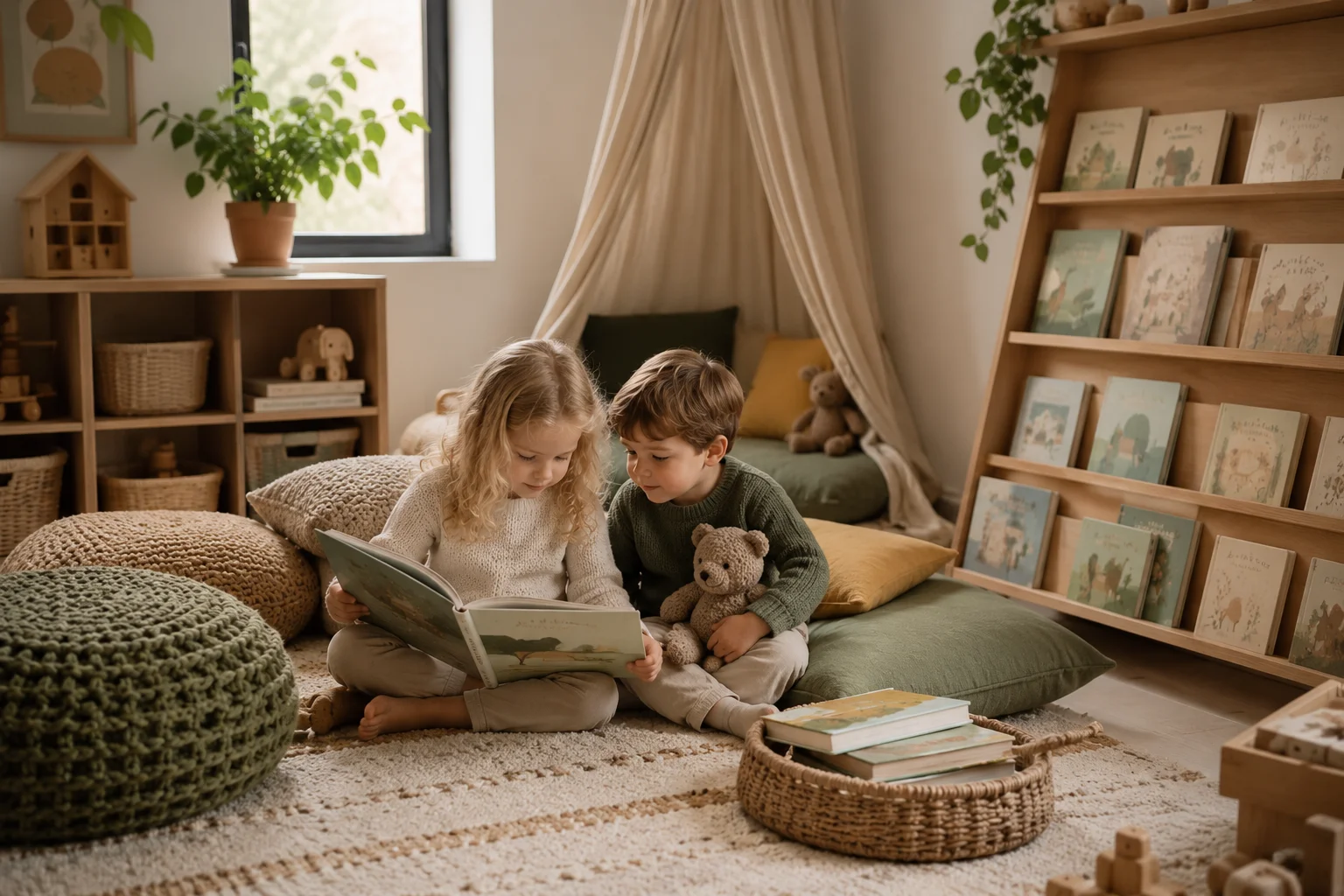
Picture books are where story, art, rhythm, humor, and emotion meet. This is often the richest category in children’s publishing.
Best Chapter Books for Kids
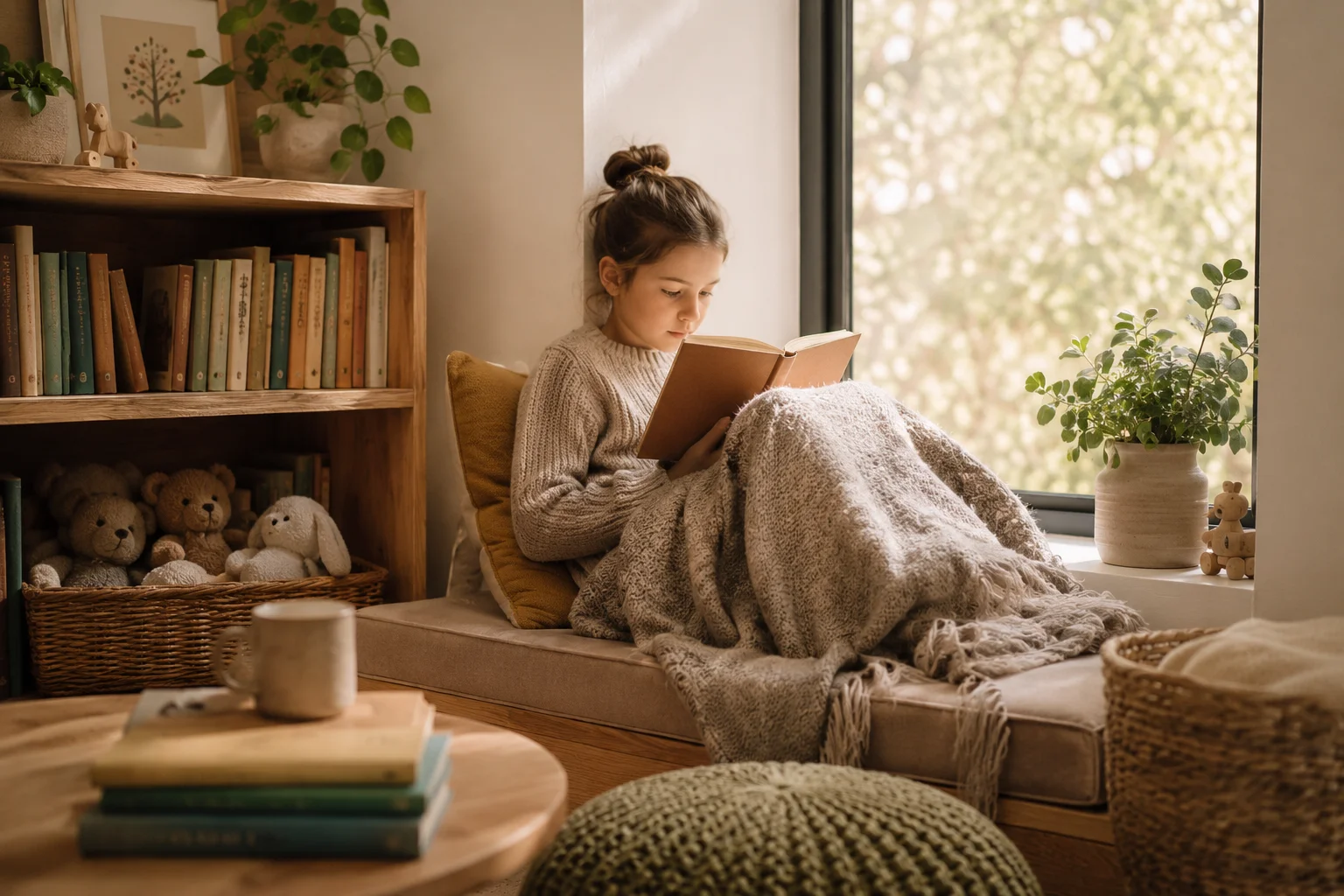
Chapter books help children follow a longer story across multiple sittings. They are excellent for read-aloud time, early independence, and family routines.
Classic Children’s Books
Classic children’s books are not automatically better, but books that stay loved across generations often have something durable: memorable characters, a strong voice, and emotional depth.
Award-Winning Children’s Books
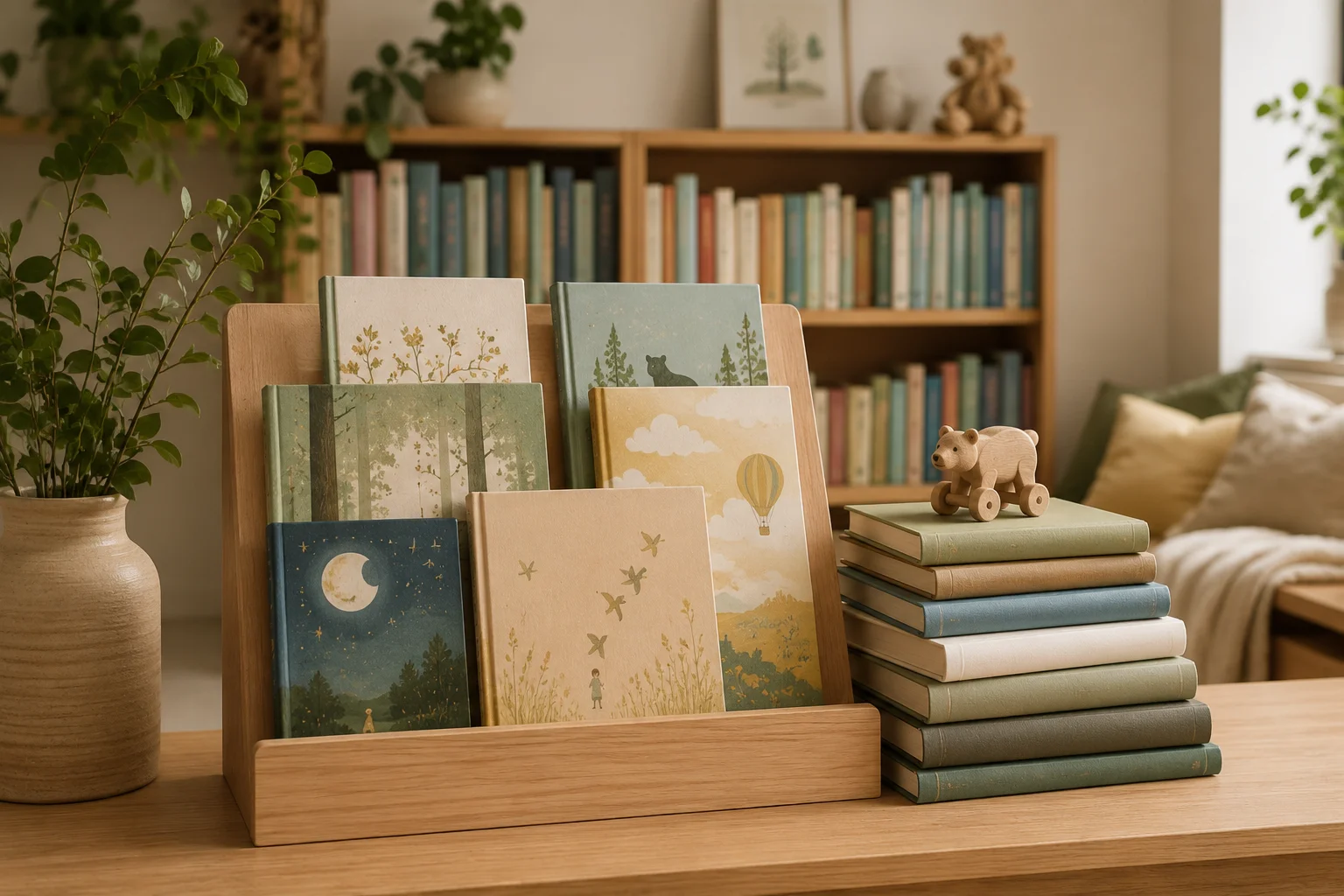
Awards can be useful discovery tools, but they should not be the only filter. The best book for your child is still the one they want to hear again.
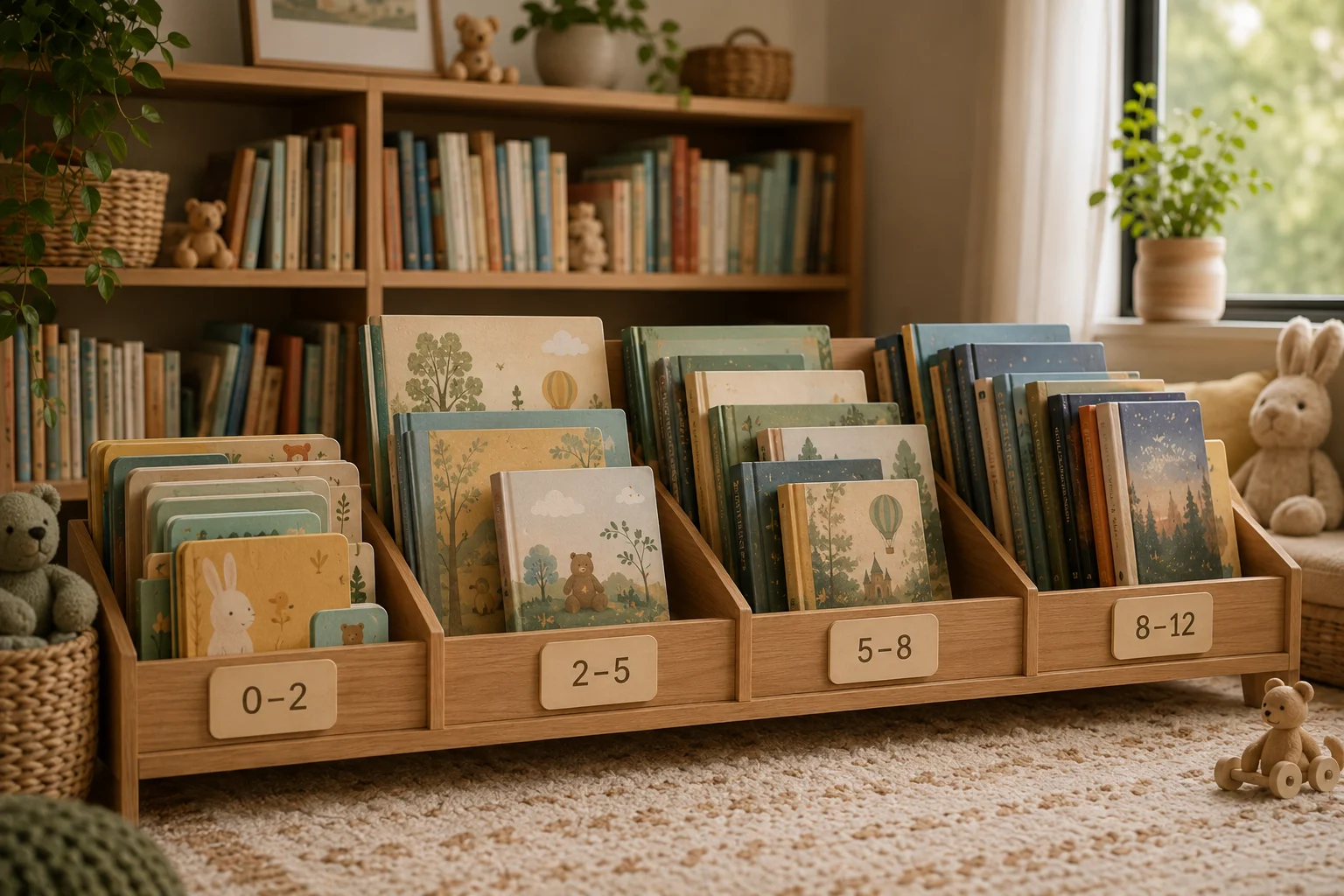
Books by Age Group
Building a Children’s Home Library
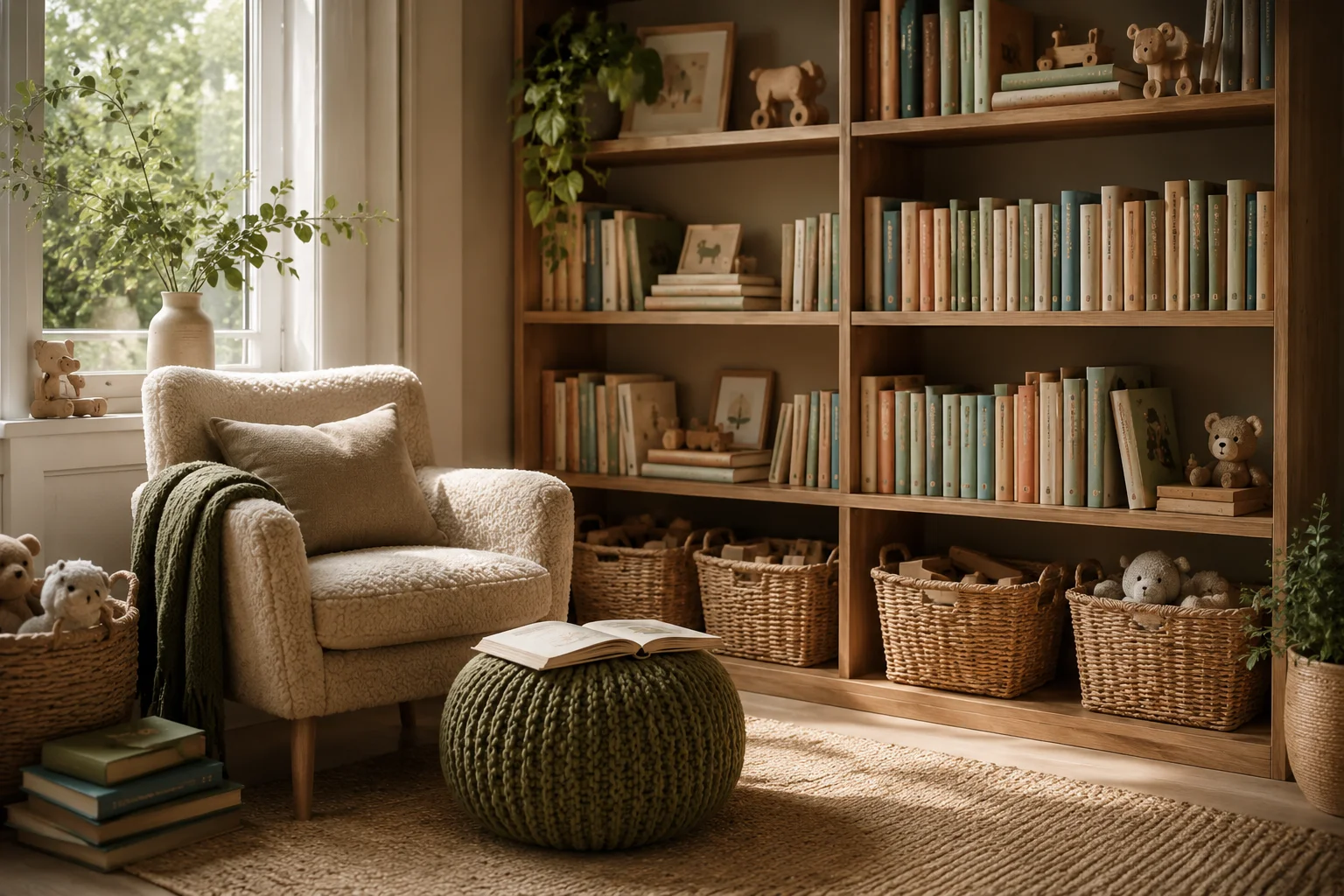
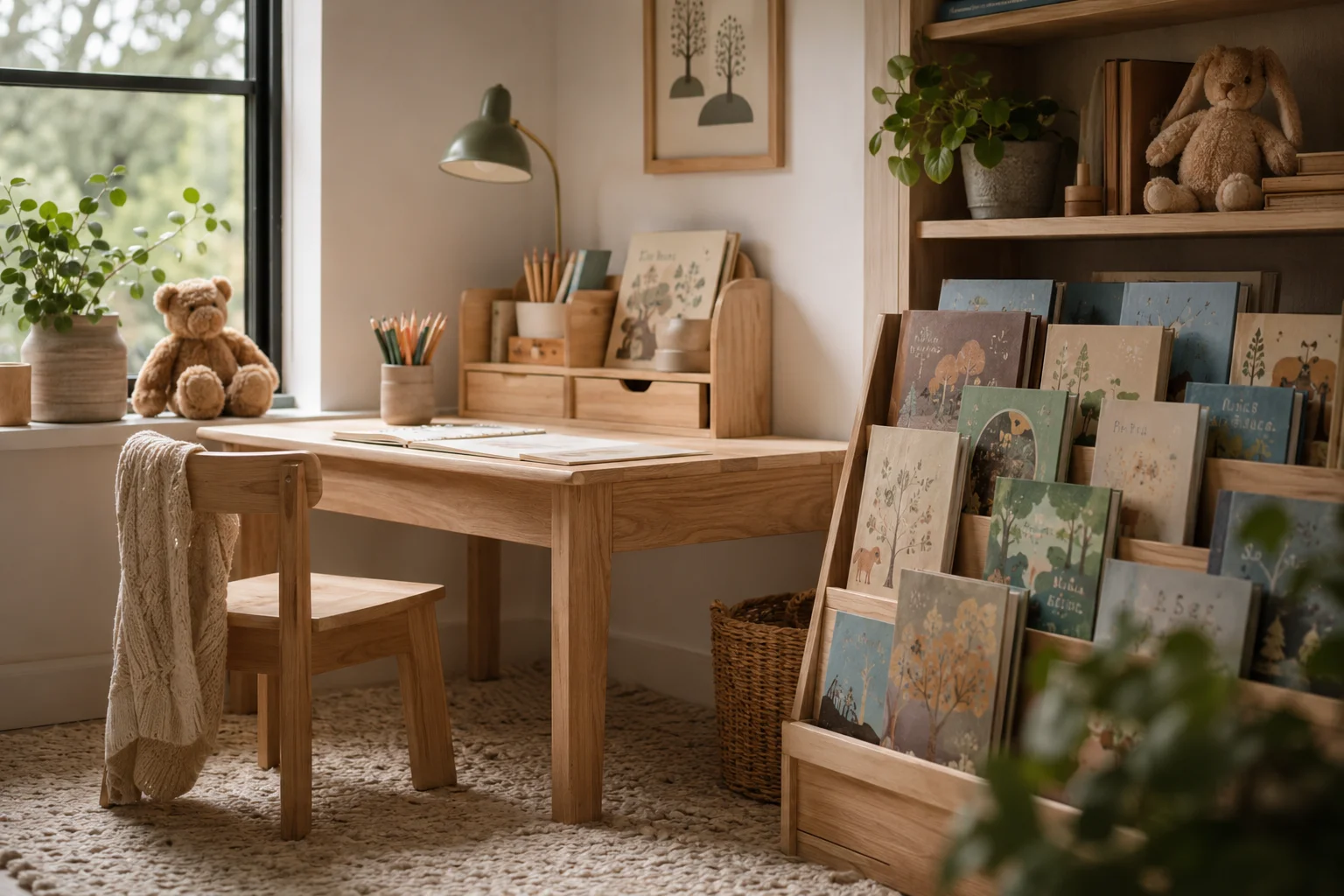
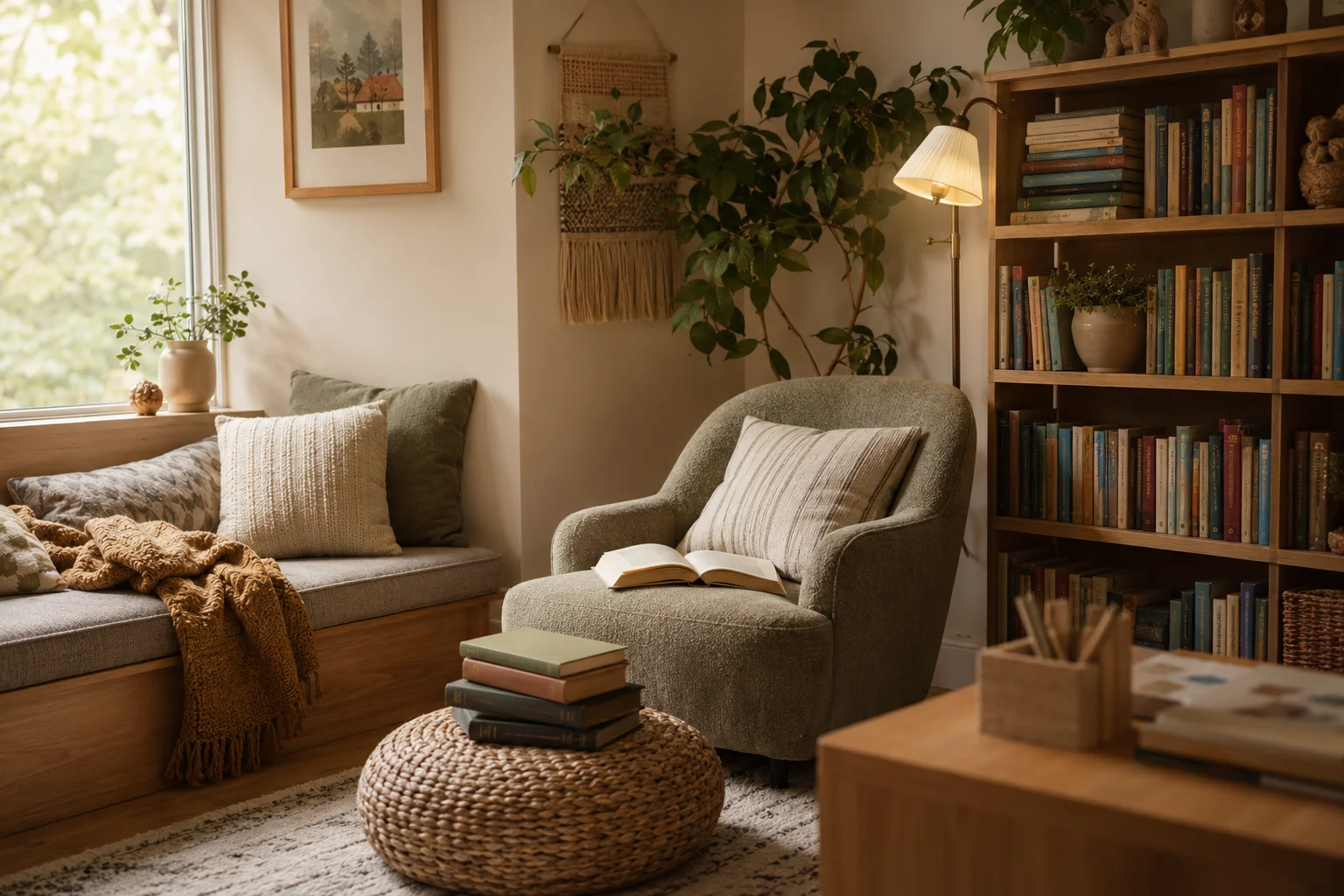
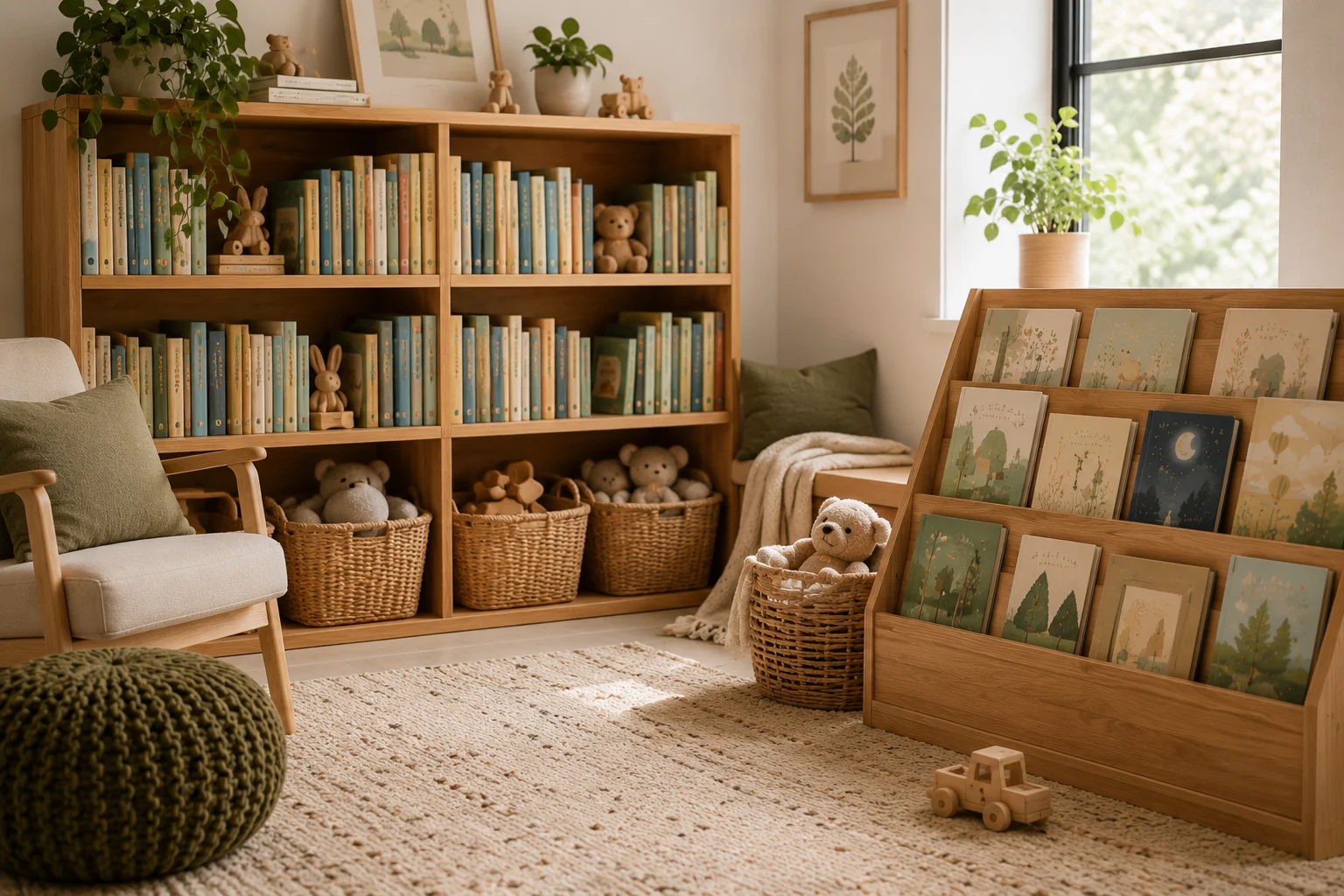
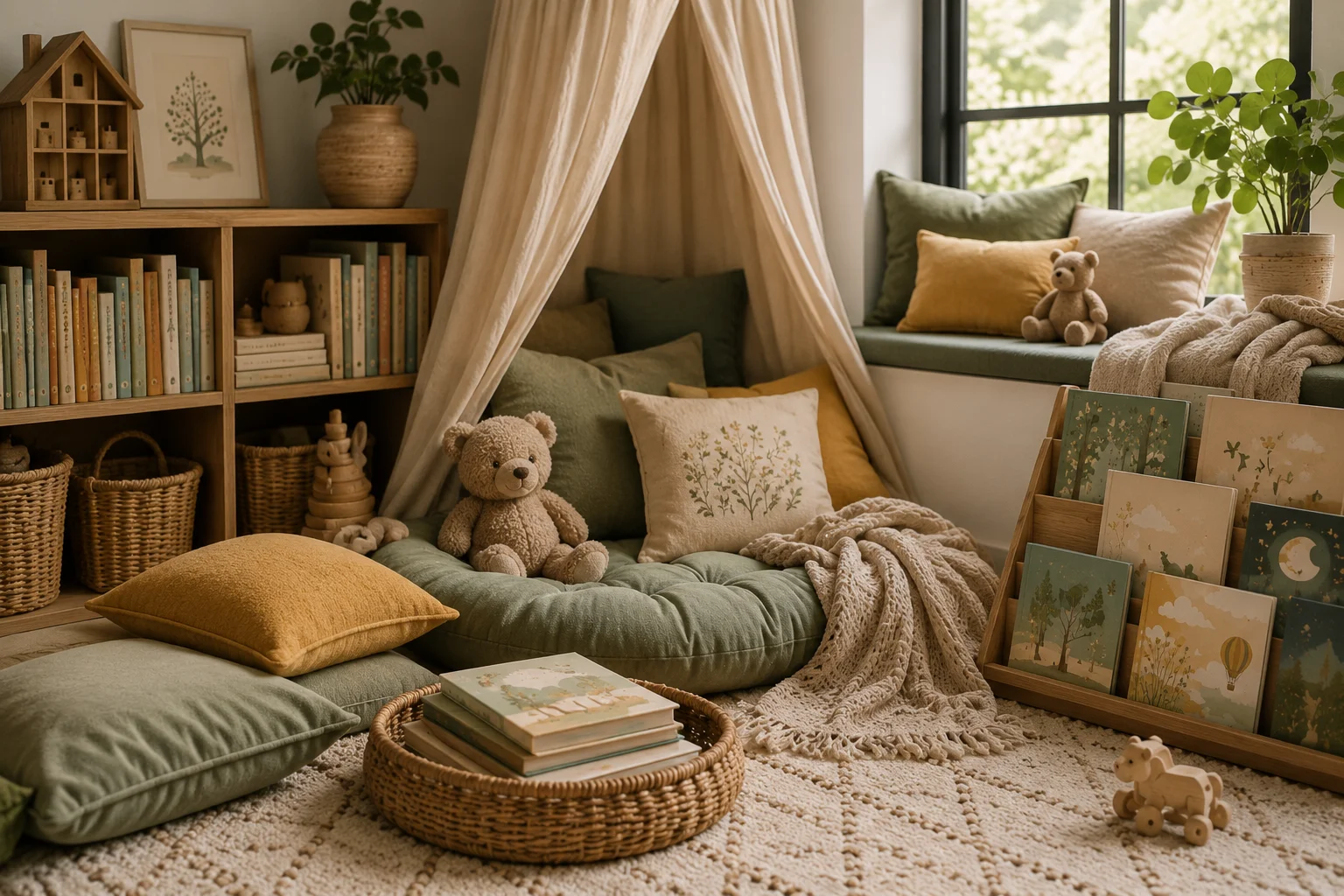
A useful home library does not need hundreds of books. A small shelf of loved books, mixed with library visits, is more valuable than a huge shelf nobody reads.
Children’s Books as Gifts
Books make strong gifts when they feel selected, not random. Match the book to the child’s age, interests, and the occasion.
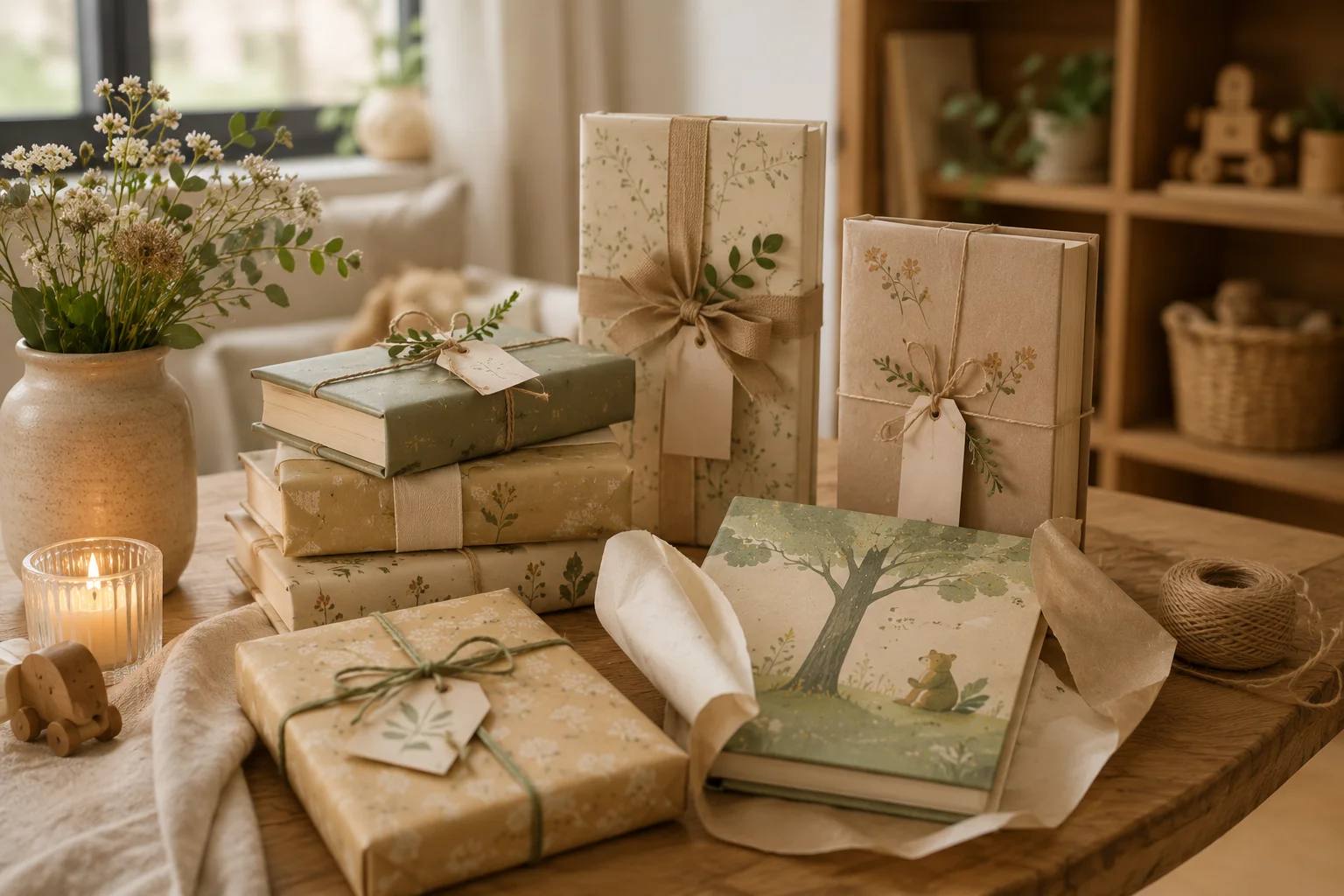
Want a more personal book gift?
A personalized children’s book can be a meaningful birthday, baby shower, or milestone gift when you want the child to feel like the story was made for them.
Children’s Book Age Guide
Use this simple rule: choose baby books for sound and closeness, toddler books for repetition, preschool books for imagination, early reader books for confidence, and middle-grade books for deeper story.
FAQ
How many children’s books should a child own?
There is no magic number. A small set of loved books read often is better than a huge shelf ignored by everyone.
Are classic books always best?
No. Classics are useful because they have proven staying power, but modern books can be just as valuable when they connect with your child.
Should I buy books or use the library?
Use both. Buy the books your child returns to repeatedly and use the library for exploration.