Are Personalized Children’s Books Worth It? Pros, Limits and a Buying Checklist: when the extra cost makes sense
Personalized books cost more effort—and often more money—than pulling a standard picture book off a shelf. Whether that premium is worth it depends on what you expect the personalization to do.
Personalized books cost more effort—and often more money—than pulling a standard picture book off a shelf. Whether that premium is worth it depends on what you expect the personalization to do.
This guide is written for shoppers, but it separates product facts from research evidence. Where research is limited, we say so. Where a seller-specific feature is mentioned, verify the current product page before ordering.
Are Personalized Children’s Books Worth It? Pros, Limits and a Buying Checklist A personalized children’s book is most likely to be worth it when you value a child-specific gift, visual recognition, a keepsake, or extra motivation to engage with a story. It is not worth paying a premium if the underlying story is weak or if you expect personalization to guarantee literacy gains.
The strongest reasons to pay for personalization
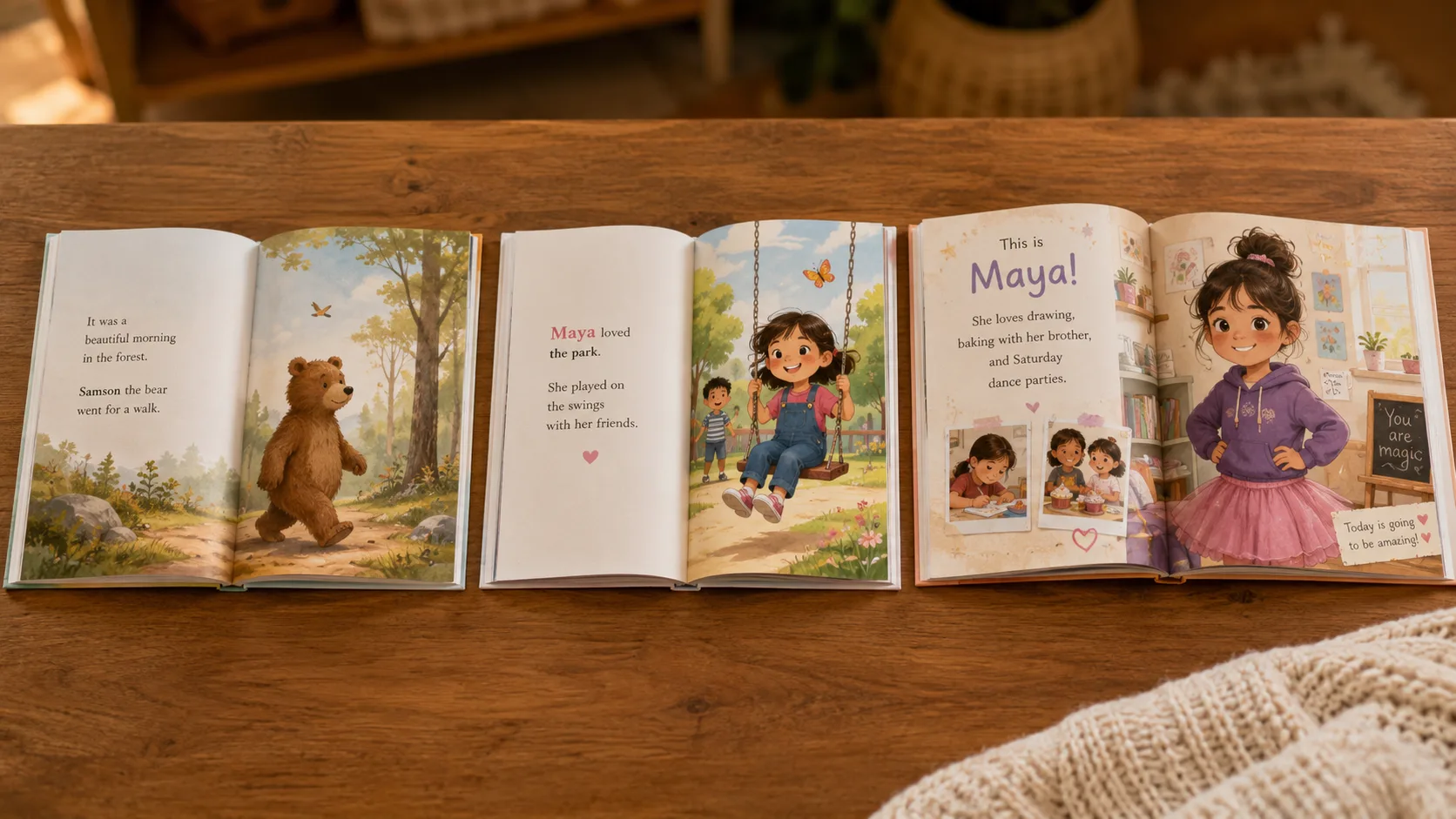
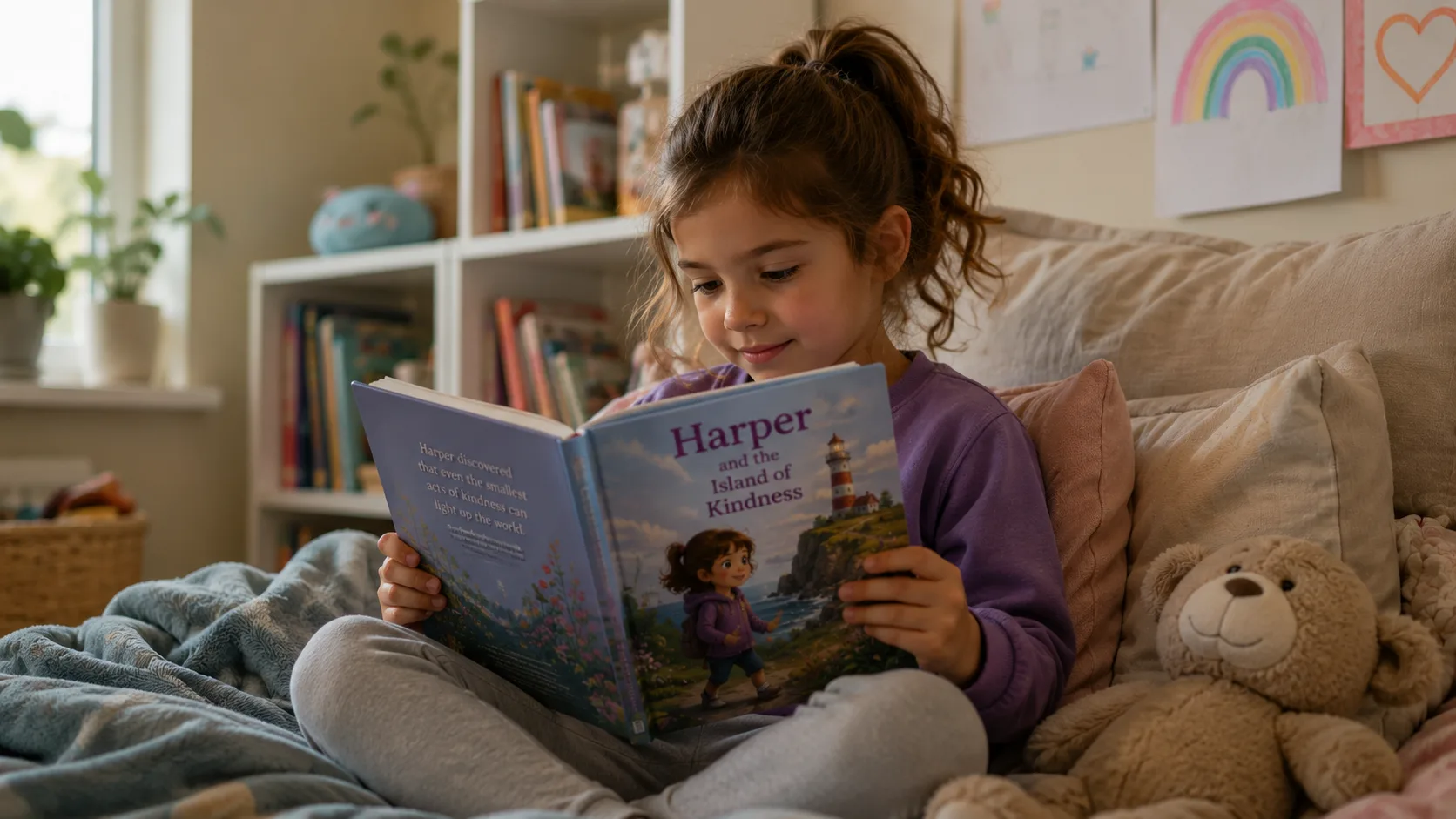
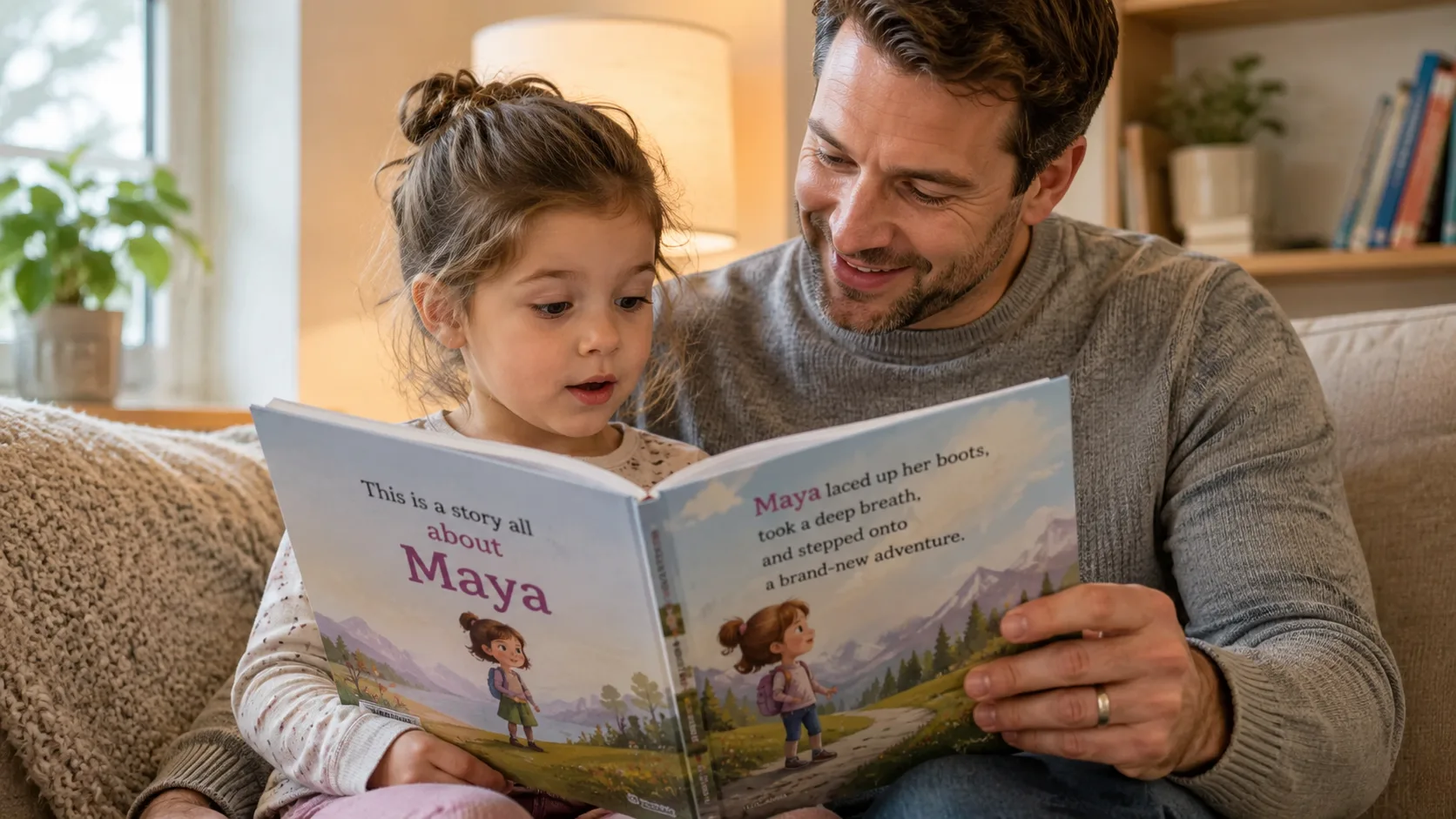
First, gifting: the item is made around one child rather than chosen generically. Second, recognition: name and appearance can make the child more immediately visible inside the story. Third, conversation: self-relevant details can give adults easy prompts during shared reading. Fourth, keepsake value: families may preserve a custom book because it records a stage of childhood.
A 2014 study with 35 young children found that personalized book sections prompted more spontaneous speech and self-referencing than non-personalized material.1 A separate small study reported stronger target-word learning in personalized sections.2
The limits buyers should know
The research base is not large enough to say that personalized books are categorically better than ordinary books. A beautiful generic picture book shared warmly can be an excellent reading experience. Personalization cannot rescue a confusing story, poor writing, inappropriate length or illustrations the child dislikes.
The biggest marketing mistake is turning preliminary evidence into a promise: “personalized books make children smarter,” “fix reluctant reading,” or “guarantee vocabulary growth.” Those claims go beyond what the studies establish.
When the premium probably makes sense
It makes sense when the gift occasion matters, when the child enjoys seeing themselves represented, when the family wants a keepsake, or when a personalized story fits an existing bedtime or reading routine. It may also make sense for a child who responds strongly to self-relevant material, provided the adults still keep reading pressure low.
It makes less sense if the child rarely enjoys picture books, the customization is superficial, the seller provides no useful preview, or the buyer is paying mainly for educational claims rather than story quality.
A five-question “worth it” test
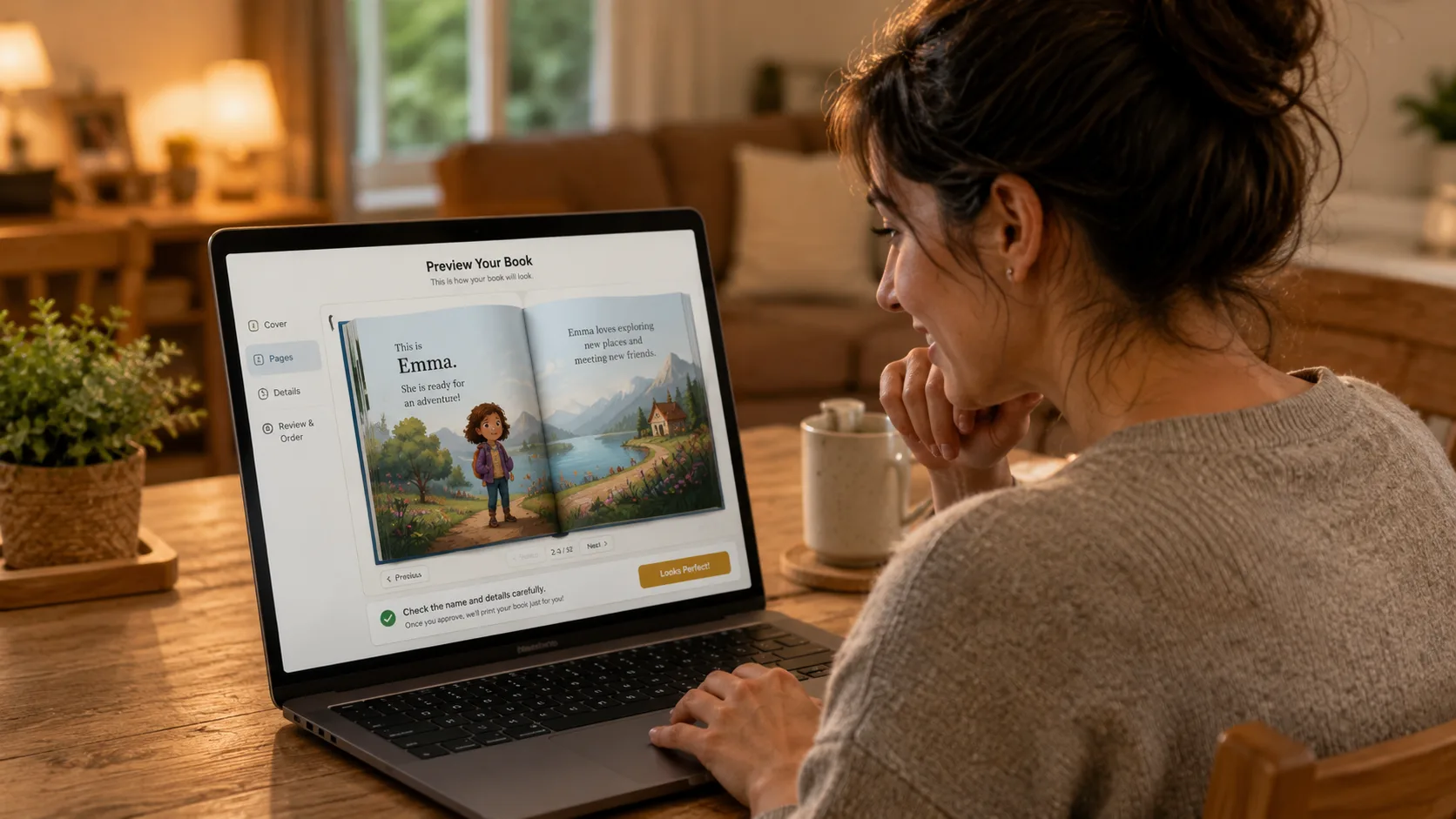
Ask: Would I still like this story without personalization? Will the child recognize or care about what changes? Can I preview the finished version? Is the price acceptable for a made-to-order gift or keepsake? Will someone actually read it with the child? If you answer yes to at least four, the purchase has a clear use case.
Shared reading has a much stronger evidence base than personalization itself. The AAP recommends reading aloud from birth and emphasizes enjoyable language-rich interaction.3
Decide from the preview, not from the promise
See how the child’s name and appearance look inside a Stattner story before you place the order.
Preview personalized books →The best personalized book is the one that still works when the novelty wears off.
References
Selected research and first-party product sources used for factual claims.
- Kucirkova, N., Messer, D., & Sheehy, K. (2014). The effects of personalisation on young children's spontaneous speech during shared book reading. Journal of Pragmatics, 71, 45–55. DOI: 10.1016/j.pragma.2014.07.007. Verify source ↗
- Kucirkova, N., Messer, D., & Sheehy, K. (2014). Reading personalized books with preschool children enhances their word acquisition. First Language, 34(3), 227–243. DOI: 10.1177/0142723714534221. Verify source ↗
- American Academy of Pediatrics (2024). Literacy Promotion: An Essential Component of Primary Care Pediatric Practice. Verify source ↗
- Stattner. About Stattner / product information. Stattner describes its books as personalized printed storybooks in which the child's name and appearance are incorporated, with a full preview available before ordering. Verify source ↗
Are Personalized Children’s Books Worth It? Pros, Limits and a Buying Checklist: FAQ
Are personalized books worth the money?
They can be when you value a child-specific gift, keepsake or extra self-relevance. Judge the underlying story and preview, not personalization alone.
Do personalized books improve reading skills?
Some small studies found effects on word learning, spontaneous speech and self-reference in specific contexts, but the evidence is not strong enough to promise broad literacy gains.
What is the biggest downside of personalized books?
They can cost more, take longer to produce, and vary widely in story quality and personalization depth.
Are regular children’s books just as good for shared reading?
Yes. High-quality regular books shared warmly and interactively remain highly valuable.
How do I know if a personalized book is good quality?
Read sample pages, inspect the preview, check what is actually customized, and verify the physical product and seller policies before ordering.